Bank Impersonation Vishing Scams: How to Stay Safe
Bank impersonation vishing scams cost consumers billions annually. Learn how these fake bank calls work, the red flags to spot, and how to protect yourself.
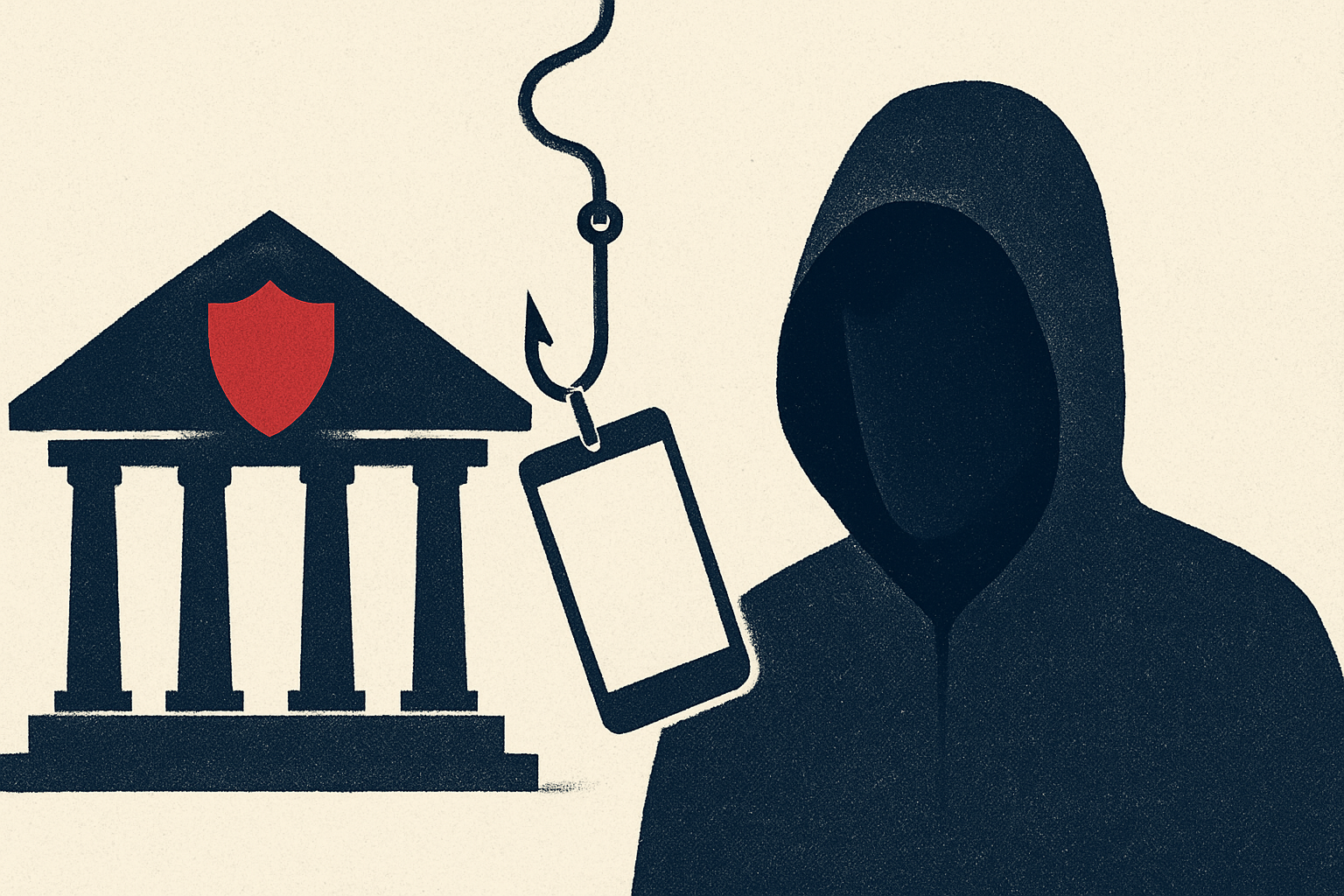
Your phone rings. The caller ID reads the name of your bank. A calm, professional voice informs you that suspicious activity has been detected on your account and that immediate action is required to protect your funds. It sounds completely legitimate — and that is precisely the point. Bank impersonation vishing (voice phishing) scams are among the most financially devastating forms of fraud targeting Americans today. According to the FTC, bank impersonation scams account for the highest losses of any impersonation scam category, and victims will often lose everything in their account. Understanding how these scams work is your first and most powerful line of defense.
What Is Bank Impersonation Vishing and How Does It Work
Vishing — a portmanteau of 'voice' and 'phishing' — is a scam where fraudsters use phone calls to impersonate trusted entities, tricking individuals into revealing personal information or making financial transfers. In the bank impersonation variant, scammers pretend to be from a bank and request your personal information, such as Social Security numbers, credit card or debit card numbers, or your bank account passwords. The playbook typically begins with a spoofed caller ID: criminals exploit telecom vulnerabilities to display your real bank's name and phone number on your screen, making the call appear entirely authentic. From there, they manufacture urgency. Bank imposter scams typically press consumers to take immediate action in order to secure their account or protect their money. More sophisticated schemes go further — convincing victims that the bank is working with a government agency to investigate suspicious activity in your account and that you will need to move the funds to another account or convert them to gold or cryptocurrency to protect them. Some scammers even stage a multi-step deception, starting the call as a company representative before 'transferring' the victim to a fake FBI agent or fake FTC staffer to add an air of official authority. These imposter calls and texts are surging — up 124 percent from 2024 to 2025, according to a Bank Policy Institute survey, reflecting an industry-wide crisis that shows no signs of slowing.
The Scale of the Threat: By the Numbers
The financial toll of bank impersonation vishing is staggering and growing at an alarming rate. The FTC reported that people lost nearly $1 billion to business impersonators in 2025, with the highest reported losses going to bank impersonators specifically — up from $866 million in 2024. Overall, the FTC recorded approximately $16 billion in total fraud losses in 2025, the highest on record and a 25% increase over 2024. Impersonation scams as a category cost consumers nearly $3.5 billion in 2025 alone. The vishing threat extends well beyond phone calls: the CrowdStrike 2025 Global Threat Report documented a 442% increase in vishing attacks between the first and second half of 2024, and Cisco Talos confirmed that vishing was the most common phishing type in Q1 2025, accounting for over 60% of all phishing-related engagements. A typical consumer who falls for a bank impersonation scam lost around $3,000, and also faces serious risk of identity theft from the personal data surrendered during the call.
Warning Signs to Watch For
Recognizing the hallmarks of a bank impersonation vishing call can mean the difference between keeping your money and losing it all. Watch for these critical red flags: (1) Unsolicited contact with urgent warnings — scammers deliver alarming news about suspicious charges, locked accounts, or fraud on your account to provoke panic and override your better judgment. (2) Requests for sensitive personal information — a legitimate bank representative will never call you and ask you to confirm your full account password, Social Security number, or one-time verification codes. (3) Pressure to move or 'protect' your money — banks will never call or text and ask you to move your money to protect it, whether to a new account, cryptocurrency wallet, wire transfer, or by purchasing gift cards. (4) Spoofed caller ID — just because the caller ID displays your bank's name or official number does not mean the call is real; caller ID can be manipulated. (5) A 'transfer' to a second authority figure — if a caller claims to be escalating your case to law enforcement, a government agency, or a fraud specialist, this is a classic multi-layered impersonation tactic designed to increase perceived legitimacy. (6) Requests to keep the call confidential — fraudsters often instruct victims not to tell family members or bank staff, isolating them from people who might raise alarms.
How to Protect Yourself
The most effective protection against bank impersonation vishing is a simple but powerful habit: hang up and call back directly. If you receive an unexpected call claiming to be from your bank, end the call without providing any information, then dial the official number printed on the back of your debit or credit card or listed on the bank's official website. Never use a callback number provided by the caller. Beyond this core practice: never transfer or send money, cryptocurrency, or gold to someone you don't know in response to an unexpected call or message; treat any unsolicited 'fraud alert' with immediate skepticism, even if it appears to come from your bank's real number; enable transaction alerts through your bank's official app so you receive genuine notifications and can independently verify activity; share information about these scams with elderly family members, as FTC data shows that 24% of older scam victims said the fraud started with a phone call, versus 10% of younger consumers; and report suspicious calls to the FTC at ReportFraud.ftc.gov and to the FCC. Awareness and verification are your strongest shields.
What to Do If You're Targeted
If you believe you have been contacted by a bank impersonation vishers — or worse, if you have already provided information or transferred funds — act immediately. First, call your real bank using the number on the back of your card or on their official website and report the incident to the fraud department; ask them to freeze or monitor your accounts. Second, change any passwords or PINs that may have been compromised. Third, place a fraud alert or credit freeze with the three major credit bureaus (Equifax, Experian, and TransUnion) to prevent new accounts from being opened in your name. Fourth, file a report with the FTC at ReportFraud.ftc.gov and submit a complaint to the FBI's Internet Crime Complaint Center (IC3) at ic3.gov. Fifth, report the spoofed call to the FCC. Time is critical — the sooner you act, the greater the chance of limiting your losses. The FTC's Impersonation Rule, finalized in 2024, gives the agency stronger tools to pursue scammers and seek redress for victims, and the FTC has already obtained over $70 million in consumer redress through enforcement actions under that rule. Reporting your experience helps investigators build cases and potentially recover funds for victims across the country.