Bank Impersonation Vishing Scams: Stay Safe
Bank impersonation vishing scam calls are surging. Learn how fraudsters impersonate your bank by phone and how to protect your accounts today.
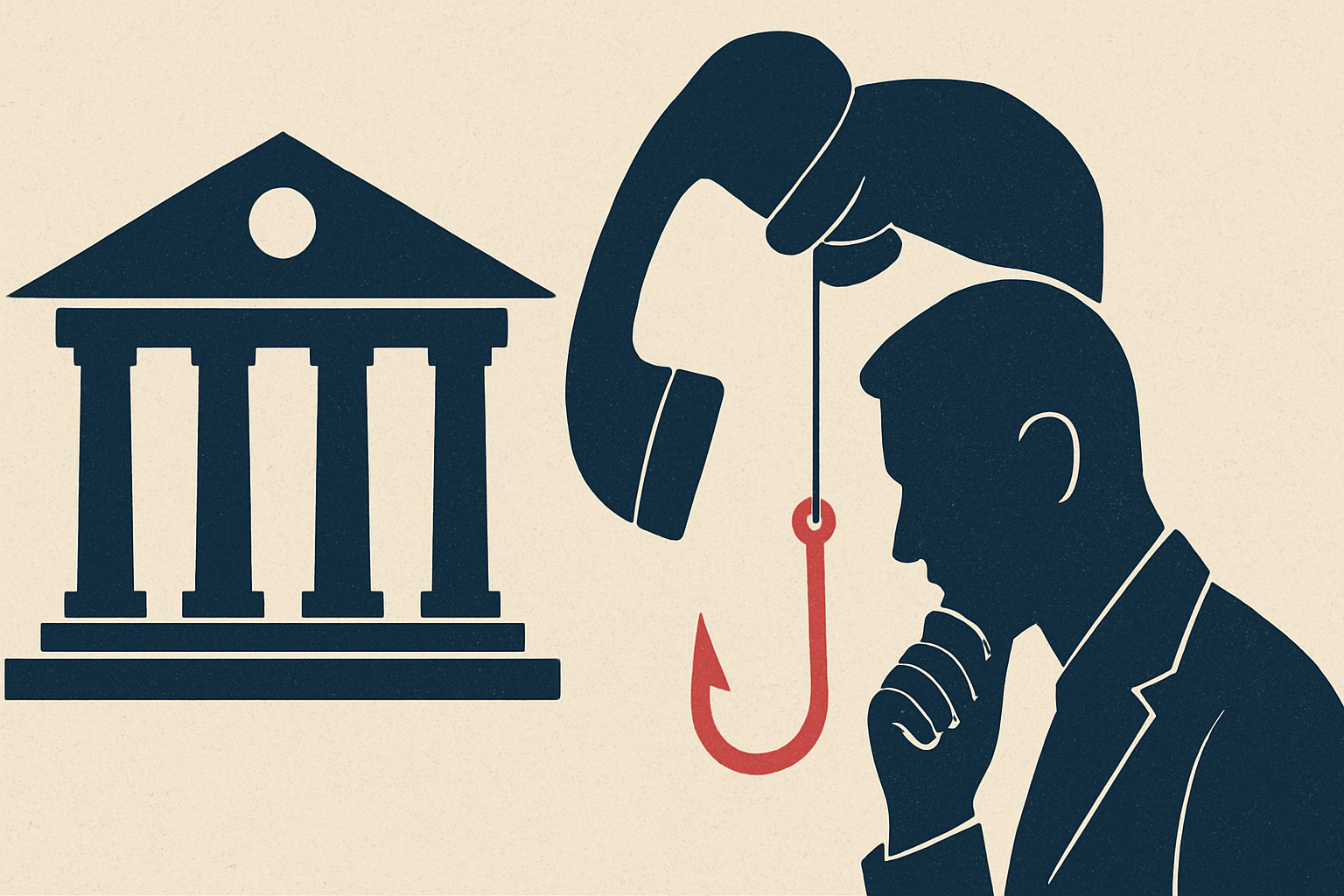
Your phone rings. The caller ID displays your bank's official name. A calm, professional voice introduces themselves as a fraud specialist from your financial institution and warns you that suspicious activity has been detected on your account. Your heart rate spikes. You want to act fast. This is precisely the moment fraudsters have engineered — and it is the opening move of one of the most financially devastating scams targeting consumers today: bank impersonation vishing. Vishing, short for voice phishing, has surged dramatically in recent years, with the Federal Trade Commission reporting hundreds of millions of dollars lost annually to imposter scams. Understanding how these calls work is your most powerful line of defense.
What Is This Fraud and How It Works
Bank impersonation vishing is a phone-based social engineering attack in which criminals pose as representatives of legitimate financial institutions to extract sensitive personal and financial information from victims. Unlike traditional phishing emails, vishing exploits the immediacy and intimacy of a live phone call, making it far more psychologically persuasive. Fraudsters begin by spoofing caller ID technology to display the actual phone number of your bank — a technique that requires little technical sophistication but creates enormous credibility. Once you answer, a scripted operative introduces manufactured urgency: your debit card has been compromised, an unauthorized wire transfer is pending, or your account has been flagged for suspicious login attempts. The caller then requests account verification details, including full account numbers, Social Security numbers, PINs, or one-time passcodes (OTPs) sent to your phone. In more sophisticated operations, fraudsters work in coordinated teams. One agent handles the call while another simultaneously attempts to access your online banking portal in real time, using the information you provide as you speak. Some schemes escalate by instructing victims to transfer funds into a so-called 'secure holding account' — which is, in reality, a criminal-controlled account. Artificial intelligence has further weaponized these attacks, with some operations now deploying voice cloning technology to mimic the tone and cadence of bank automated systems, making detection even more difficult.
Warning Signs to Watch For
Recognizing the hallmarks of a bank impersonation vishing call can mean the difference between stopping fraud in its tracks and losing your life savings. The most critical red flag is urgency. Legitimate bank fraud departments do not pressure customers to act within minutes or threaten immediate account closure. Any caller demanding instant action should trigger immediate skepticism. Be alert if the caller asks you to confirm a one-time passcode sent to your phone. Banks never request that customers read OTPs aloud to staff — these codes are designed specifically to verify that you, the account holder, are initiating an action, not a third party. Requests to download remote access software, visit unfamiliar websites, or transfer funds to 'protect' your money are definitive scam indicators. Fraudsters may also demonstrate false legitimacy by referencing partial account details, recent transactions, or personal information obtained from data breaches or social media — do not interpret this as proof that the caller is genuine. Unsolicited calls about account problems you were not already aware of, callers who discourage you from hanging up and calling your bank back on its official number, and high-pressure tactics around confidentiality are all serious warning signs that demand immediate caution.
How to Protect Yourself
Protecting yourself from bank impersonation vishing begins with one foundational rule: you control the callback. No matter how convincing an inbound call appears, hang up and dial the customer service number printed on the back of your debit or credit card or listed on your bank's official website. Never use a phone number provided by the caller. Establish a verbal security code or passphrase with your bank if the option is available — this creates an additional layer of mutual authentication. Enable multi-factor authentication on all banking accounts and treat every OTP as strictly confidential; sharing it with anyone, including someone claiming to be your bank, is never appropriate. Regularly monitor your accounts through your bank's official app or website for unauthorized transactions, and set up real-time transaction alerts so you are the first to know about any account activity. Educate household members, particularly elderly relatives who are disproportionately targeted by vishing operations, about these tactics. Consider registering your number on the National Do Not Call Registry, and use call-blocking applications that flag known scam numbers. Financial institutions will never ask you to move money to a safe account, purchase gift cards as payment, or provide your full PIN or password over the phone — treating any such request as an automatic disqualifier is sound practice.
What to Do If You're Targeted
If you believe you have received a bank impersonation vishing call — or worse, if you have already provided information to a fraudster — act immediately and systematically. First, end the call without providing additional information. Next, contact your bank directly using the number on your official card or statement and report the incident to their fraud department. Request that compromised accounts be frozen or closed and new account numbers issued. If you shared your Social Security number, place a fraud alert or credit freeze with all three major credit bureaus — Equifax, Experian, and TransUnion — to prevent new accounts from being opened in your name. File a complaint with the Federal Trade Commission at ReportFraud.ftc.gov and report the incident to the FBI's Internet Crime Complaint Center (IC3) at ic3.gov. Your state attorney general's office may also maintain a consumer fraud division that tracks regional vishing campaigns. Document everything: note the time of the call, the number displayed, any names used, and the specific requests made. This information assists investigators and may help protect others in your community. Remember — experiencing a vishing attempt is not a reflection of your intelligence. These operations are meticulously crafted by professional criminal enterprises. Reporting promptly is the most powerful action you can take.