Charity Fraud After Disasters: How to Stay Safe
Disaster charity scams stole $96M in 2024. Learn how fraudsters exploit tragedy, the warning signs to spot, and how to protect your donations.
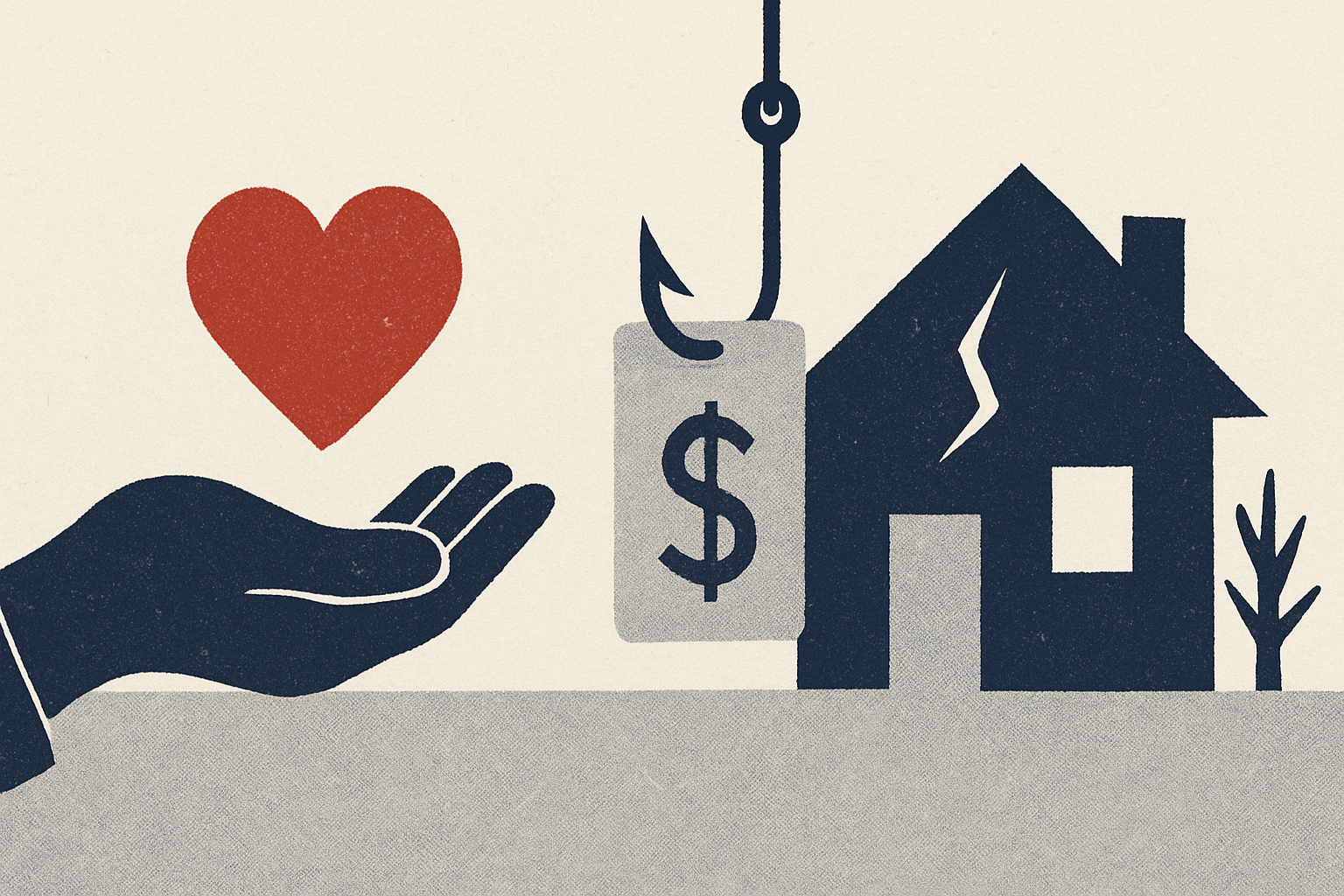
Every time a hurricane makes landfall, a wildfire erupts, or a mass casualty event shocks the nation, two things happen simultaneously: generous people open their wallets to help, and fraudsters race to intercept that money. Disaster charity fraud is one of the most cynical crimes in the fraud ecosystem — it weaponizes human compassion and hijacks the urgency of catastrophe to steal from both donors and the victims they intended to help. In 2024 alone, the FBI's Internet Crime Complaint Center (IC3) received more than 4,500 complaints reporting approximately $96 million in losses to fraudulent charities, crowdfunding accounts, and disaster relief campaigns. Understanding how these schemes operate is the first — and most critical — line of defense.
What Is Disaster Charity Fraud and How It Works
Disaster charity fraud occurs when criminals exploit catastrophic incidents — such as mass casualty events, terrorist attacks, wars, natural disasters, or pandemics — to pose as charitable entities providing humanitarian aid or developing fundraising efforts, including solicitations for monetary and even cryptocurrency donations. The FBI warns that these schemes are a common occurrence both online and through in-person collection drives. The playbook is consistent and fast-moving: within hours of a breaking news event, scammers register domain names that mimic legitimate relief organizations, clone the websites of well-known nonprofits, and flood social media with emotionally charged appeals. They may impersonate official entities, celebrities, influencers, or even high-profile victims of the disaster itself. In a particularly alarming evolution, the FBI has noted that artificial intelligence may be used to increase the perceived legitimacy of a fraud or impersonation — meaning fake charity websites, deepfake video appeals, and AI-generated victim testimonials are now part of the threat landscape. Foreign terrorist organizations have also been known to establish fake charities to engage in fraudulent fundraising via social media, directing donations toward subsidizing their own operations rather than any humanitarian cause.
Warning Signs to Watch For
Recognizing a disaster charity scam before you donate is essential. Here are the most reliable red flags identified by federal agencies: First, watch for high-pressure urgency. The IC3 explicitly warns that pressure to 'act fast' is a hallmark sign of a scam. Legitimate charities do not have donation deadlines. Second, be suspicious of new or copycat organizations. The FBI cautions donors to be wary of new organizations that claim to aid victims of recent high-profile disasters, and to watch for organizations with names similar to reputable ones — a tactic known as 'name spoofing.' Third, scrutinize the payment method demanded. If a charity or organization asks you to donate through cash, gift card, virtual currency, or wire transfer, it is very likely a scam. These payment methods are irreversible and nearly impossible to trace or recover. Fourth, be alert to vague, emotionally manipulative language. Scammers make lots of vague and sentimental claims but give no specifics about how your donation will be used. Fifth, look for phishing-style delivery. CISA warns that fraudulent emails and social media messages — often containing malicious links or attachments — are common after major natural disasters, and that door-to-door solicitations and text messages are also frequently used vectors. Sixth, verify website security. URLs beginning with 'http' rather than 'https,' or those lacking a padlock symbol, could indicate an unsecure or fraudulent site.
How to Protect Yourself
Federal agencies recommend a clear set of protective practices before you donate a single dollar after a disaster. Start by giving only to established charities or groups whose work you already know and trust — not organizations that appeared overnight in the wake of a breaking event. Verify any charity by searching for it online to check for news articles, reviews, or posts linking it to fraud. Confirm whether the charity is registered with your state's charity regulator and check the IRS website (irs.gov) to verify its tax-exempt status. For crowdfunding campaigns, validate that the effort is actually supporting the beneficiaries advertised, research who is behind the request, and reverse-search any images or victim stories associated with the campaign, since scammers frequently steal and repurpose photos and narratives from real victims. Always give by check or credit card — these methods offer dispute and recovery options that cash, wire transfers, gift cards, and cryptocurrency do not. When in doubt, navigate directly to a charity's official website by typing the address yourself rather than clicking any link. Remember: real organizations will accept donations at any time — there is no legitimate emergency that requires you to act before you can verify.
What to Do If You're Targeted
If you have received a suspicious solicitation or believe you have been defrauded by a fake disaster charity, take action immediately. Do not open any additional emails, texts, or attachments from the suspected source. If you have already sent money — whether by app, wire transfer, cryptocurrency, or gift card — report it promptly to the FTC at ReportFraud.ftc.gov, as acting quickly improves your chances of recovering funds. File a detailed complaint with the FBI's Internet Crime Complaint Center at ic3.gov, including the charity's name, phone number, email address, and social media handles, along with the date, payment type, amount, and any receiving account or cryptocurrency address information. You can also report suspected fraud to the FEMA Disaster Fraud Hotline at 1-866-720-5721. Share what you experienced with friends and family — word-of-mouth awareness is one of the most effective ways to stop these scams from spreading during the narrow but devastating window that fraudsters exploit after every major disaster.