Crypto Exchange Scams: How to Spot & Avoid Them
Cryptocurrency exchange scams cost Americans $9.3 billion in 2024 alone. Learn how fake crypto platforms work and how to protect yourself.
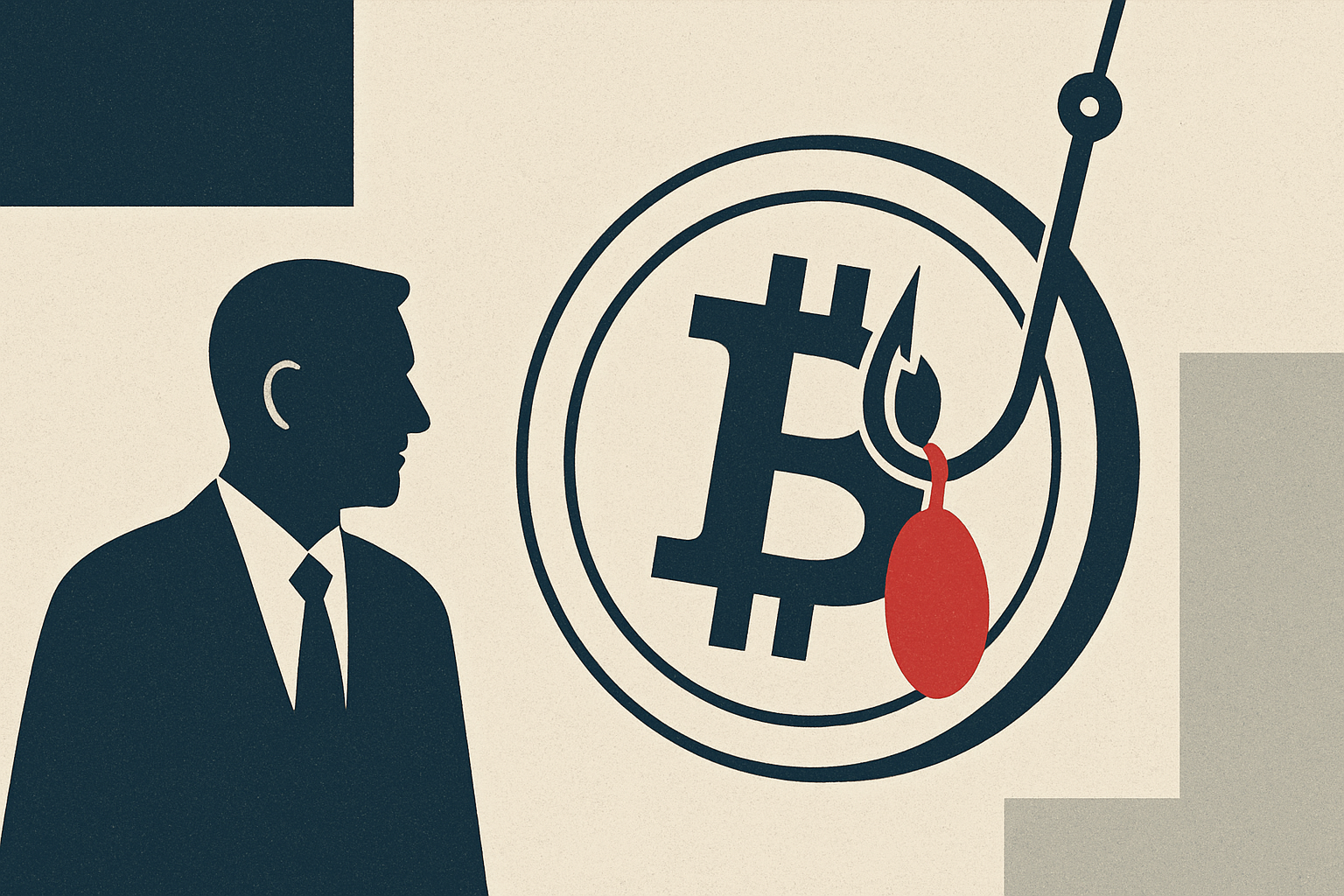
Cryptocurrency exchange scams have become the single most financially destructive form of consumer fraud in the United States. According to the FBI's Internet Crime Complaint Center (IC3), cryptocurrency-related fraud generated $9.3 billion in losses from 149,686 complaints in 2024 alone — a staggering 66% increase over 2023. That figure is the highest ever recorded in IC3 history, and it doesn't capture the vast number of victims who never report. Behind each statistic is a real person who trusted a platform, watched their savings seemingly grow, and then lost everything when the exchange turned out to be a carefully engineered illusion.
What Are Cryptocurrency Exchange Scams and How Do They Work
Fake cryptocurrency exchange scams — most commonly known as 'pig butchering' schemes — are sophisticated, long-con investment frauds in which criminals construct convincing replicas of legitimate trading platforms to steal victims' funds. The term 'pig butchering' originates from the Chinese phrase 'Shā Zhū Pán,' a reference to the practice of fattening a pig before slaughter. In this context, victims are 'fattened' by watching fabricated profits accumulate on screen before being financially gutted. The scam typically begins far from any trading interface: a scammer makes unsolicited contact via social media, a dating app, WhatsApp, or even a wrong-number text. Using a polished fake persona — often supported by curated social media profiles — the fraudster builds a genuine-feeling relationship over days or weeks. Once trust is established, they casually mention they make serious money through a special cryptocurrency trading opportunity. The victim is guided to what appears to be a professional, fully functional exchange platform, complete with live price charts, customer support chat windows, and fabricated account balances showing impressive returns. Victims are encouraged to start small. Their first few deposits appear to grow rapidly, and small withdrawals are sometimes permitted early on to build confidence. As the victim deposits larger and larger sums — sometimes liquidating retirement accounts, taking out loans, or recruiting family members — the platform begins manufacturing withdrawal barriers: taxes owed, compliance fees, verification deposits, or upgrade requirements. When the victim can no longer pay, the scammer vanishes, the website goes dark, and the money is gone. These operations are overwhelmingly run by organized crime networks, many based in Southeast Asia, and they increasingly use AI-generated personas, deepfakes of celebrities, and automated trading dashboards to appear legitimate.
The Scale of the Crisis: By the Numbers
The numbers are difficult to comprehend at scale. The FBI's 2024 IC3 Annual Report recorded $9.3 billion in cryptocurrency-related fraud losses — the highest ever reported in IC3 history — with cryptocurrency investment scams alone responsible for $5.8 billion across 41,557 incidents, representing a 47% jump in monetary losses and a 29% rise in complaint numbers compared to 2023. Cryptocurrency ATM fraud, another delivery mechanism for exchange scams, added another $246.7 million in losses across nearly 11,000 incidents. The FBI's 2025 Internet Crime Report (released in 2026) showed the crisis deepening further, with Americans submitting 181,565 cryptocurrency-related complaints totaling more than $11 billion in losses. Older Americans are disproportionately targeted: adults over 60 suffered the most complaints and the highest losses in 2024, and the FTC found that in the first half of 2024 alone, consumers over 60 were more than three times as likely as younger adults to lose money to Bitcoin ATM scams, with a median single loss of $10,000. The FBI's Operation Level Up — a joint initiative with the U.S. Secret Service launched in January 2024 to proactively identify and warn active victims — had, as of April 2025, notified 5,831 victims of cryptocurrency investment fraud, 77% of whom were completely unaware they were being scammed, and helped save victims more than $359 million.
Warning Signs to Watch For
Recognizing a fake cryptocurrency exchange before funds are transferred is the only reliable defense. Be alert to every one of these red flags: Unsolicited contact with investment advice — If someone you met online through a dating app, social media platform, or even a random text 'wrong number' begins steering the conversation toward cryptocurrency investment opportunities, treat this as an immediate warning. Legitimate exchanges don't recruit customers through personal relationships. Guaranteed or unusually high returns — Any platform claiming guaranteed profits or displaying returns that seem too good to be true is almost certainly fabricated. Real markets carry real risk. Pressure to deposit more — Scammers use urgency and FOMO (fear of missing out) to push victims into larger deposits before they have time to research the platform independently. Withdrawal fees disguised as taxes or compliance — When you attempt to withdraw funds and are told you must first pay a percentage in 'taxes,' 'verification fees,' or 'compliance deposits,' you are almost certainly looking at a fraud. Legitimate exchanges never require upfront payments to release your own funds. No verifiable regulatory registration — Legitimate exchanges in the U.S. are registered with FinCEN and may be regulated by the SEC or CFTC. If a platform cannot be verified through official government databases, walk away. The platform is only accessible via a link provided by your contact — Authentic exchanges are independently searchable and well-documented. If your only access point is a link provided by the person who introduced you to the investment, that is a critical warning sign.
How to Protect Yourself
Defense against cryptocurrency exchange scams requires skepticism, verification, and a clear understanding of how legitimate platforms operate. First, independently verify any platform before depositing a single dollar. Search for the exchange on official financial regulator databases: the SEC's Investment Adviser Public Disclosure site, the CFTC's registration database, and FinCEN's MSB Registrant Search. If the platform doesn't appear, don't use it. Second, never allow an online contact to guide you to a specific trading platform, regardless of how much you trust them. The U.S. Secret Service explicitly warns consumers to be wary of people met on dating websites or social media who offer unsolicited financial, investment, or cryptocurrency advice. Third, test withdrawals early and often. Before depositing significant funds, attempt to withdraw a small amount back to your bank account. If the platform creates friction, invents fees, or delays the process, stop immediately. Fourth, discuss any crypto investment opportunity with a trusted friend, family member, or licensed financial advisor before committing funds. Scammers deliberately isolate victims and create urgency to prevent outside input. Fifth, remember that cryptocurrency transactions are irreversible by design. Unlike credit card charges, there is no fraud reversal mechanism once funds leave your wallet to a scammer-controlled address. The irreversibility of crypto is precisely why fraudsters use it.
What to Do If You're Targeted
If you believe you have encountered a fake cryptocurrency exchange or have already sent funds, act immediately. Stop all further transfers — do not pay any additional 'taxes,' 'fees,' or 'deposits' the platform demands, no matter how convincingly they are framed. Report the fraud to the FBI's Internet Crime Complaint Center at ic3.gov and to the FTC at reportfraud.ftc.gov. Include all available information: the platform's URL, wallet addresses, transaction IDs, and any communication logs with the scammer. Contact your bank or the legitimate exchange you used to purchase the cryptocurrency (such as Coinbase or Kraken) and report the fraudulent destination address — while recovery is unlikely, early reporting can sometimes assist law enforcement in tracing funds. Be especially wary of a secondary scam: fictitious law firms and 'crypto recovery services' that specifically target exchange scam victims with promises to recover lost funds. The FBI has issued explicit warnings about these recovery scams, noting that private sector companies cannot issue legal orders to recover or seize stolen cryptocurrency. Filing a report with the FBI's IC3 is free and supports the data that drives federal enforcement actions like Operation Level Up, which has already helped save hundreds of millions of dollars for victims who were reached in time. You are not alone, and reporting is the single most important step you can take.
- 01Cryptocurrency Investment Scams | Congress.gov | Library of Congress— Congressional Research Service / Congress.gov
- 02Cryptocurrency and AI Scams Bilk Americans of Billions | Federal Bureau of Investigation— FBI
- 03Investment Fraud and Pig Butchering | U.S. Secret Service— U.S. Secret Service
- 04New FTC Data Shows Massive Increase in Losses to Bitcoin ATM Scams— FTC