Cryptocurrency Exchange Scams: How to Spot Them
Cryptocurrency exchange scams cost Americans $11 billion in 2025. Learn how fake platforms, pig butchering, and ATM fraud work — and how to stay safe.
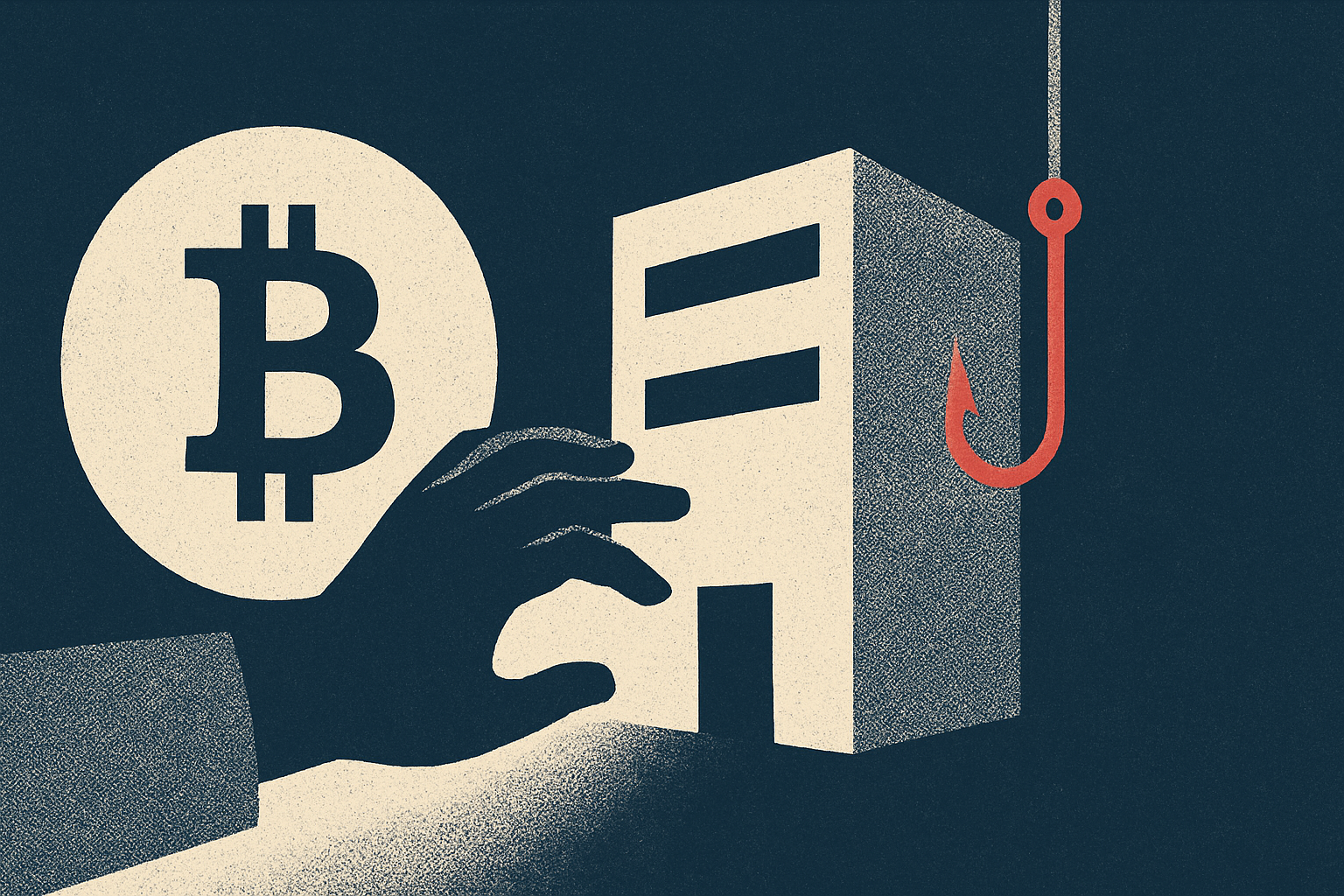
Cryptocurrency exchange scams have become one of the most financially devastating forms of fraud in the United States. According to the FBI's 2025 Internet Crime Report, Americans who submitted complaints involving cryptocurrency reported the highest losses of any category — 181,565 complaints totaling more than $11 billion, a 22% increase over 2024. These are not opportunistic street-level cons. They are sophisticated, long-term psychological operations run by organized criminal enterprises, many based in Southeast Asia, that use fake trading platforms, social engineering, and the irreversible nature of crypto transactions to drain victims of life savings, retirement funds, and borrowed money.
What Is This Fraud and How It Works
Cryptocurrency exchange scams typically begin with unsolicited contact — a wrong-number text, a social media DM, a dating app match, or an invitation to a WhatsApp investment group. The scammer, often posing as a successful investor or a romantic interest, builds trust over days or weeks before steering the conversation toward a "can't-miss" crypto investment opportunity. Once trust is established, the scammer instructs the victim to open a legitimate cryptocurrency account at a reputable exchange, purchase a specific coin such as Bitcoin, Ethereum, or USDT, then transfer those funds to a separate "investment platform" controlled by the fraudster. This fraudulent platform — which can look indistinguishable from a real exchange — displays fabricated gains to encourage the victim to deposit more. This scheme is known as "pig butchering": the victim is fattened with fake profits before being slaughtered when they try to withdraw. The FBI notes that all victim money is ultimately under the control of criminal actors, and victims typically lose everything they deposited. The average damage per complaint in 2025 was $62,604, and nearly 18,600 victims each lost more than $100,000 — often life-changing, irreversible sums.
The Many Entry Points: How Scammers Find You
Fraudsters cast a wide net across multiple channels. They send texts pretending to have the wrong number or offering job opportunities. They create thousands of fake dating profiles across all major apps to manufacture romantic trust. They add targets to WhatsApp or Telegram groups filled with seemingly enthusiastic investors — most of whom are bots or co-conspirators. They also place fake apps in the Google Play Store and Apple App Store, meaning victims can stumble into the trap without ever being directly solicited. Scammers also impersonate legitimate exchanges: the FBI warns specifically to watch for domain names with slight misspellings designed to mimic well-known platforms. A separate and growing threat is the Bitcoin ATM scam: the FTC reported that fraud losses to Bitcoin ATMs topped $65 million in just the first half of 2024 alone, with a median victim loss of $10,000. In those cases, scammers — often posing as government officials or tech support agents — instruct victims to deposit cash directly into a Bitcoin ATM and send it to a scammer-controlled wallet.
Warning Signs to Watch For
Recognizing a cryptocurrency exchange scam before money changes hands can save your financial life. Key red flags include: (1) An unsolicited contact — via text, DM, or dating app — who quickly pivots to investment advice. (2) Pressure to move funds from a legitimate exchange to a separate, unfamiliar "investment platform" you were given a link to. (3) A platform that shows spectacular, consistent gains with no volatility. (4) Requests for additional deposits to "unlock" or "verify" your profits before you can withdraw — a classic red flag that the FBI calls the "withdrawal tax" trap. (5) A slight deviation in a URL from a real exchange's name (e.g., "Cøinbase" or "Binance-pro.net"). (6) Any promise of guaranteed returns. (7) Any person you met solely online urging you to invest. In 2024, cryptocurrency investment scams generated 41,557 IC3 complaints — a 29% increase from 2023 — with $5.8 billion in reported losses, a 47% single-year increase. The trend is accelerating, not slowing.
How to Protect Yourself
Defense starts with skepticism. The FBI advises never investing based on the advice of someone you met only online, regardless of how long or how well you think you know them. Before using any exchange or investment platform, independently verify it through official government or regulatory databases — do not use links provided by the person recommending it. Check for licensing with your state's securities regulator. Never download or use an investment app unless you can independently confirm its legitimacy through a source you found yourself. Be especially cautious of apps that can only be found through a link sent to you privately. Regarding Bitcoin ATMs: no legitimate government agency, tech support company, or utility will ever ask you to deposit funds via a cryptocurrency kiosk. Older Americans must be particularly vigilant: the IC3 reported that Americans over 60 filed 33,369 crypto-related complaints in 2024 with $2.84 billion in losses — and the FBI's 2025 data shows losses for that age group surged another 37% year over year to $7.7 billion across all fraud types.
What to Do If You're Targeted
If you suspect you are being targeted — or have already sent funds — act immediately. Stop all transfers to the platform or individual at once. Do not pay any additional "fees," "taxes," or "verification deposits" to release funds; these are further extraction attempts with no legitimate basis. Report the incident to the FBI's Internet Crime Complaint Center at ic3.gov, providing as much detail as possible: cryptocurrency wallet addresses, transaction hashes, amounts, dates, and any URLs, apps, or contact information involved. Time is critical — the FBI's Recovery Asset Team has frozen hundreds of millions in fraudulently obtained funds, but crypto transactions are irreversible once completed and moved. Older adults can also call the National Elder Fraud Hotline at 1-833-FRAUD-11 (833-372-8311) for help filing a complaint. The FBI's Operation Level Up, launched in 2024, has already notified 5,831 victims — 77% of whom were unaware they were being scammed — and helped save over $359 million. Reporting is not just about your case: it builds the intelligence picture that enables law enforcement to dismantle these networks.
- 01Cryptocurrency and AI Scams Bilk Americans of Billions— FBI
- 02Cryptocurrency Investment Fraud— FBI
- 03Cryptocurrency Investment Scams— Congressional Research Service
- 04New FTC Data Shows Massive Increase in Losses to Bitcoin ATM Scams— FTC