Fake Job Offer Scams: How to Spot & Avoid Them
Fake job offer scams cost Americans $501 million in 2024. Learn how employment fraud works, the red flags to watch for, and how to protect yourself.
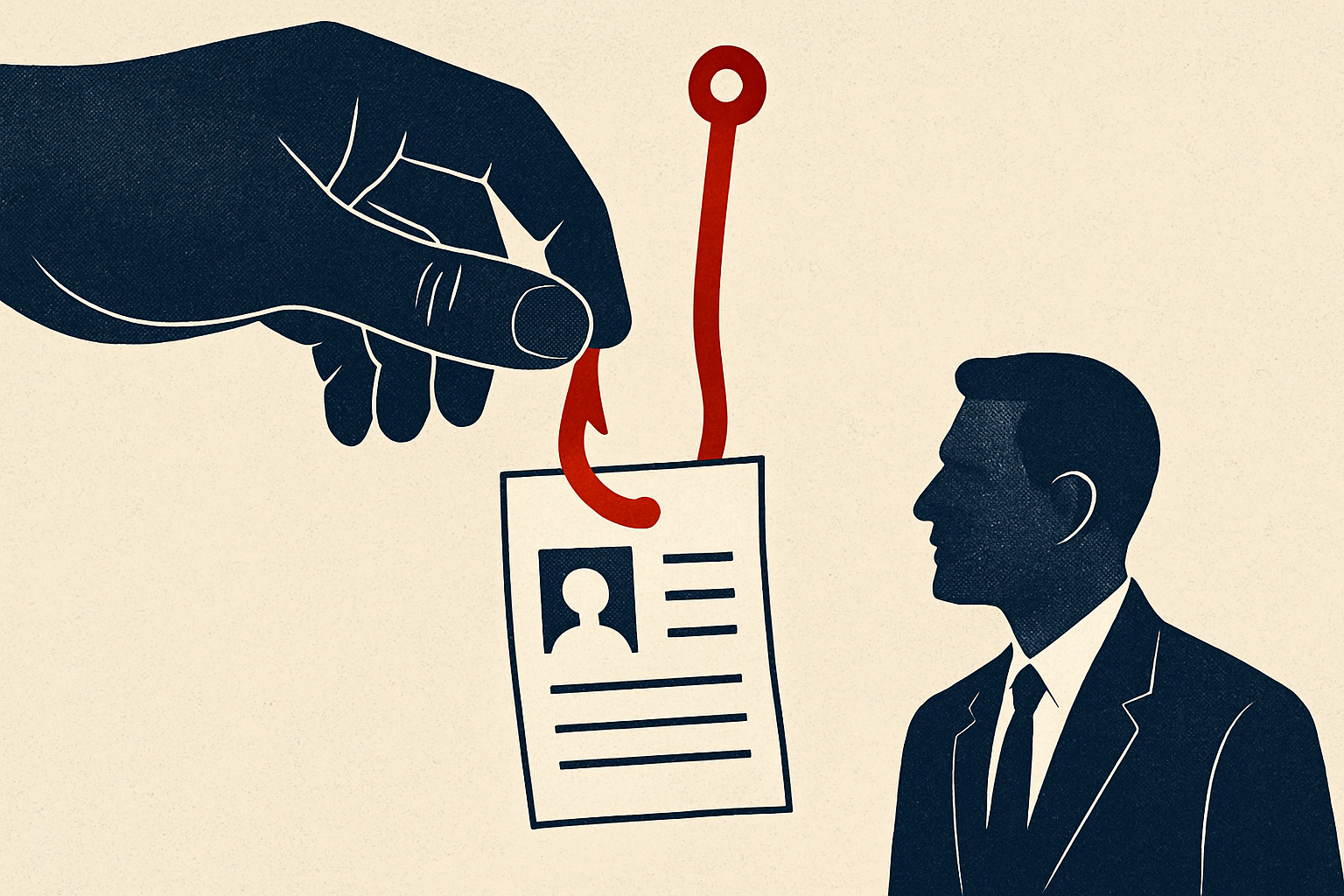
You uploaded your résumé to a job board on Monday. By Wednesday, a recruiter messages you about a remote position with a well-known company — flexible hours, excellent pay, and an immediate start. It sounds like exactly what you were looking for. But before you reply, consider this: fake job offer scams are now one of the fastest-growing categories of consumer fraud in the United States, and that dream opportunity may be a precisely engineered trap designed to drain your bank account or steal your identity.
A Crisis by the Numbers
The scale of this threat is staggering and accelerating. Reports to the FTC about job scams nearly tripled between 2020 and 2024, with reported losses skyrocketing from $90 million to $501 million over that same period. The FBI's Internet Crime Complaint Center (IC3) received 20,044 employment scam reports in 2024 alone, while the FTC received an additional 130,075 victim reports that same year. In 2025, the FBI IC3 recorded $362.9 million in employment fraud losses as a standalone tracked crime type. A recent survey found that one in four people who looked for a job in 2025 fell victim to a hiring scam, and approximately half of those victims had either money or personal information stolen. These numbers almost certainly undercount the true damage — experts estimate that fewer than 10% of fraud victims ever report to a federal agency.
What Is This Fraud and How It Works
Fake job offer scams are fraudulent employment schemes designed to steal your money, your personal data, or both. Scammers impersonate real companies, fabricate entire organizations, or post ghost job listings to harvest résumés and contact details. They insert themselves into the job-seeking ecosystem across LinkedIn, Indeed, WhatsApp, text message, and social media — posing as legitimate recruiters running professional onboarding processes. The scam typically unfolds in one of several ways. In the most common variant, a fraudster sends an unsolicited text or DM claiming to represent a recognizable company and offering a remote role such as 'online assessor' or 'virtual personal assistant.' Once contact is established, they move quickly — sometimes conducting fake interviews that can last as long as 45 minutes — before issuing an offer letter and requesting sensitive personal details under the guise of payroll setup, including Social Security numbers and bank account information. A second major variant is the advance-fee scam, where victims are asked to pay upfront for 'training materials,' 'equipment,' or a 'background check' before they can start work. A third — and rapidly growing — variant is the 'task scam,' a gamified scheme where victims are shown a polished mobile app, given simple tasks like rating products or liking videos, and shown a fake accumulating balance, only to be told they must deposit cryptocurrency to 'unlock' their earnings — money they will never see again. In some cases, victims are recruited as unwitting money mules, asked to receive packages and reship them, unknowingly moving stolen goods for criminal networks. Increasingly, artificial intelligence is making every variant more convincing: the FBI IC3 has flagged AI-generated content — including fake company websites, synthetic recruiter profiles, and deepfake video interviews — as an emerging and accelerating vector in employment fraud.
Warning Signs to Watch For
Recognizing a fake job offer scam requires vigilance at every stage of contact. The most reliable red flags include: Unsolicited outreach — legitimate companies do not typically send cold texts or DMs offering you a job you never applied for. Requests for money in any form — no genuine employer will ask you to pay for training, equipment, a background check fee, or a cryptocurrency deposit before your first paycheck. Requests for sensitive personal information too early — if a recruiter asks for your Social Security number or bank account details before you have completed a formal interview and received a verified written offer, treat it as a scam. Non-corporate contact details — be deeply suspicious of any recruiter who communicates exclusively through a personal Gmail, Yahoo, or WhatsApp account rather than a verifiable company email domain. Vague or implausibly generous job descriptions — offers promising thousands of dollars per month for minimal effort with little time commitment are engineered to appeal to desperation. High-pressure timelines — scammers push you to act fast and accept the offer before you have time to verify anything. Job fraud has evolved dramatically with AI tools; what used to be obvious — poor grammar, misspelled company names, generic promises — can now look entirely polished and professional. Never let a slick presentation substitute for verification.
How to Protect Yourself
Protecting yourself from fake job offer scams begins before you ever respond to a recruiter. First, independently verify every opportunity: if a company contacts you, look up its official website and careers page through a search engine — never through a link the recruiter provided — and call the main corporate number to confirm the job posting actually exists. Research the company through the Better Business Bureau and check whether the recruiter has a verifiable professional presence. Second, guard your personal information zealously. No legitimate employer will need your Social Security number, bank routing number, or copies of government ID until after you have been formally hired through a verified, official process. Third, reject all requests for payment. A real employer will never ask you to pay to get the job, and any upfront fee for a background check that is not deducted from a first paycheck should be treated as a firm disqualifier. Fourth, be especially skeptical of social media outreach — in 2025, one in three job scam victims reported that their scam started on social media. Finally, trust your instincts: if an offer feels too good to be true, if the pace feels rushed, or if something simply feels off — stop, pause, and verify through official channels before proceeding.
What to Do If You're Targeted
If you believe you have been targeted by a fake job offer scam, act immediately. Stop all communication with the scammer and do not send any additional money or personal information. If you transferred money or provided banking details, contact your financial institution right away to report the fraud, freeze or cancel compromised accounts, and explore recovery options. If you shared your Social Security number, place a fraud alert or credit freeze with all three major credit bureaus — Equifax, Experian, and TransUnion — and monitor your credit reports closely for unauthorized activity. Report the scam to the FTC at ReportFraud.ftc.gov and file a complaint with the FBI's Internet Crime Complaint Center at IC3.gov. Report the fraudulent posting on the original job board so it can be removed and other job seekers protected. You should also file a complaint with your state's Attorney General office. Remember: reporting is not just about seeking justice for yourself. Every report you file helps federal agencies identify patterns, pursue criminal networks, and protect the next job seeker from becoming a victim.