Gift Card Scam Tactics: How Fraudsters Operate
Learn how gift card scam tactics work, who's being targeted, and how to protect yourself from this fast-growing fraud threat draining millions annually.
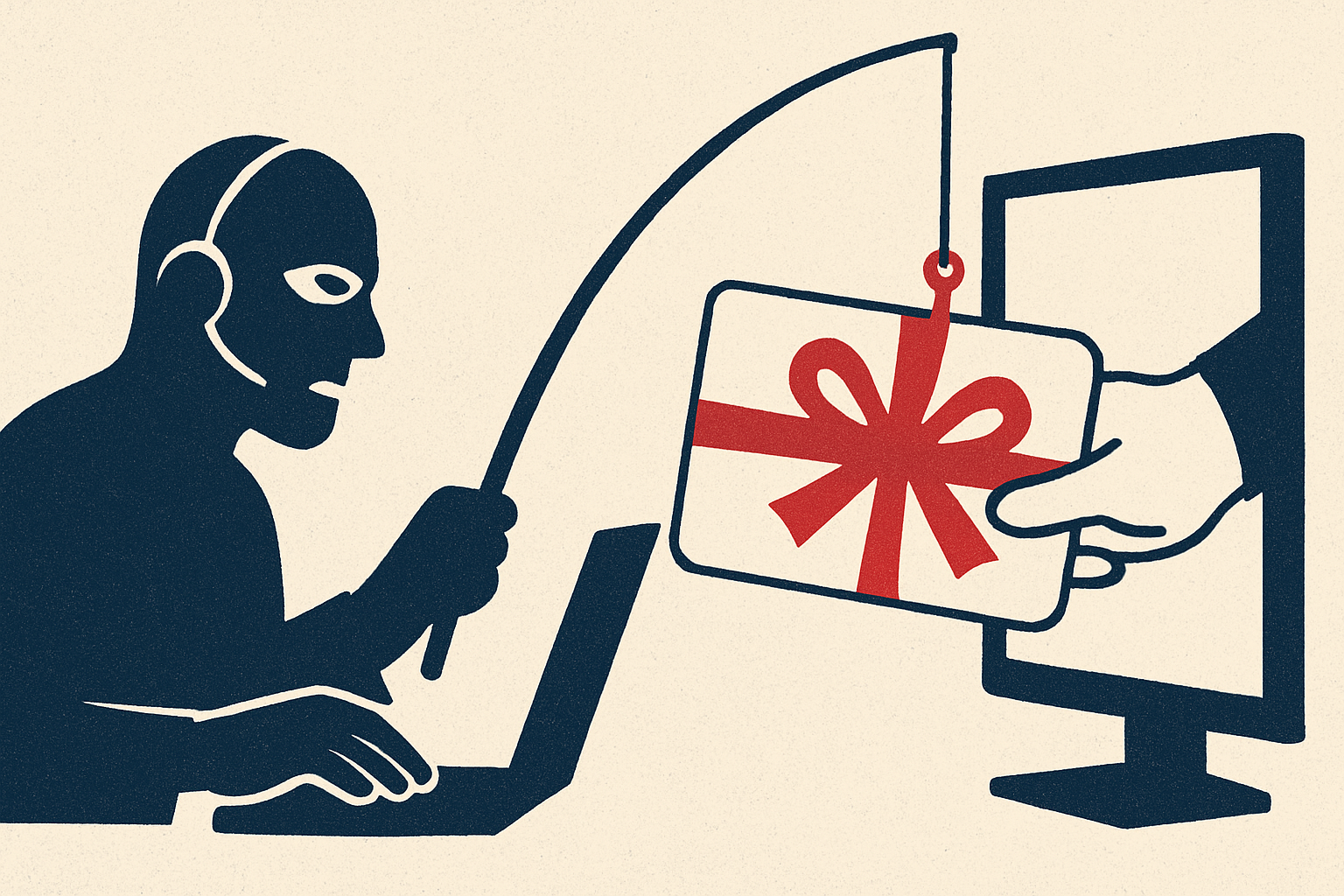
Gift cards were designed for convenience — a simple, cashless way to give someone the freedom to choose their own gift. But fraudsters have weaponized this convenience into one of the most effective and damaging scam instruments in existence today. According to the Federal Trade Commission, consumers lost over $228 million to gift card scams in a single recent year, with the median individual loss exceeding $1,000. Unlike credit card payments or wire transfers, gift card transactions are nearly impossible to reverse, which is precisely why criminals favor them so heavily. Understanding exactly how these scams operate is the first — and most critical — step toward stopping them.
What Is This Fraud and How It Works
Gift card fraud is an umbrella term for any scam in which a criminal manipulates a victim into purchasing gift cards and surrendering the card numbers and PIN codes. The mechanics are deceptively simple: the scammer contacts the victim through phone, email, text, or social media, creates a fabricated sense of urgency or authority, and instructs the victim to buy gift cards from a retailer — often specifying brands like Google Play, iTunes, Amazon, eBay, or Steam — and then read the codes aloud or send photos of the card backs. Once those codes are transmitted, the funds are irretrievably gone, often laundered through cryptocurrency exchanges or resold on dark web marketplaces within minutes. The scam takes many forms: impersonation of IRS agents demanding immediate tax payment, fake tech support representatives claiming a computer has been compromised, romance scammers requesting financial help from a 'partner' they've never met in person, fake employers sending overpayment checks and asking for gift card reimbursements, and even scammers posing as utility companies threatening immediate service disconnection. What unites every variation is the insistence on gift cards as the payment method — a demand that no legitimate organization, government agency, or business will ever make.
Warning Signs to Watch For
Recognizing a gift card scam before you're victimized requires knowing exactly what red flags look like in practice. The most immediate warning sign is any unsolicited contact — phone call, email, or text — that demands payment in gift cards. No government agency, including the IRS, Social Security Administration, or Medicare, will ever request gift card payment for any reason, full stop. Similarly, legitimate employers never pay salaries or request reimbursements via gift cards, and reputable tech support companies do not cold-call users to demand payment in retail gift cards. Watch closely for aggressive urgency tactics: scammers consistently pressure victims to act immediately, discouraging them from pausing to verify claims or consult with family members. Phrases like 'Do not tell anyone about this' or 'You must act right now or face arrest' are engineered to bypass rational thinking. Another telling sign is the specific retailer instruction — scammers often name particular stores and card brands, sometimes directing victims to spread purchases across multiple retailers to avoid triggering store fraud alerts. If a cashier at a retail location questions why you're buying multiple high-value gift cards, take that intervention seriously. Retailers are increasingly training staff to identify victims mid-transaction, and their concerns deserve your full attention.
How to Protect Yourself
Protection begins with a single, non-negotiable rule: never purchase gift cards as a form of payment for anyone who contacts you unexpectedly. Gift cards are gifts — they are not a legitimate payment method for taxes, fines, technical services, debt resolution, or emergencies. Beyond this foundational rule, there are several practical steps that meaningfully reduce your vulnerability. First, verify all unsolicited contacts independently. If someone claims to be calling from the IRS or your bank, hang up and call the official number listed on the organization's website — not the number they provide. Second, slow down deliberately. Scammers rely on manufactured urgency; taking even 20 minutes to think, research, or consult a trusted person can disrupt the entire scheme. Third, talk openly with vulnerable individuals in your life — elderly parents, teenagers, or anyone under financial stress are disproportionately targeted. A simple conversation about gift card payment demands can create a protective mental framework before a scammer ever makes contact. Fourth, report suspicious calls and texts to the FTC at ReportFraud.ftc.gov, as this data directly informs enforcement efforts. Finally, if you're at a retail counter and feel confused, pressured, or uncertain, leave the store without purchasing anything. That momentary discomfort is infinitely preferable to losing hundreds or thousands of dollars.
What to Do If You're Targeted
If you've already purchased gift cards and shared the codes with a scammer, act as quickly as possible — though recovery is difficult, it is not always impossible. Immediately contact the gift card issuer using the customer service number printed on the card or its packaging. Explain that you were scammed and ask them to freeze or refund the card balance before it's redeemed. Some issuers, including Google and Apple, have established fraud response procedures that occasionally allow partial recovery if the funds haven't yet been spent. Save all evidence: call logs, text messages, emails, transaction receipts, and photos of the cards themselves. File a detailed report with the FTC at ReportFraud.ftc.gov, your state attorney general's office, and your local law enforcement agency. Also file a report with the FBI's Internet Crime Complaint Center at IC3.gov. These reports rarely result in individual fund recovery, but they are essential for building the investigative data that leads to criminal prosecutions and pattern identification. If the scammer claimed to represent a specific organization — the IRS, Social Security Administration, or a major corporation — report the impersonation directly to that entity as well. Most importantly, do not feel ashamed. Gift card scammers are sophisticated social engineers who exploit trust, fear, and authority. Victimization reflects the effectiveness of criminal manipulation, not personal failure — and speaking openly about your experience may be the warning that protects someone else.
- 01Avoiding and Reporting Gift Card Scams | Consumer Advice— FTC
- 02Gift card scams: Out of the shadows and into the FTC Data Spotlight | Federal Trade Commission— FTC
- 03Oregon FBI Tech Tuesday: Building a Digital Defense Against Gift Card Fraud— FBI
- 04Holiday and Gift Card Scams | OCC— OCC (Office of the Comptroller of the Currency)