Gift Card Scam Tactics: How Fraudsters Strike
Gift card scams cost Americans $212 million in 2024. Learn the tactics fraudsters use, the warning signs to spot, and how to protect yourself now.
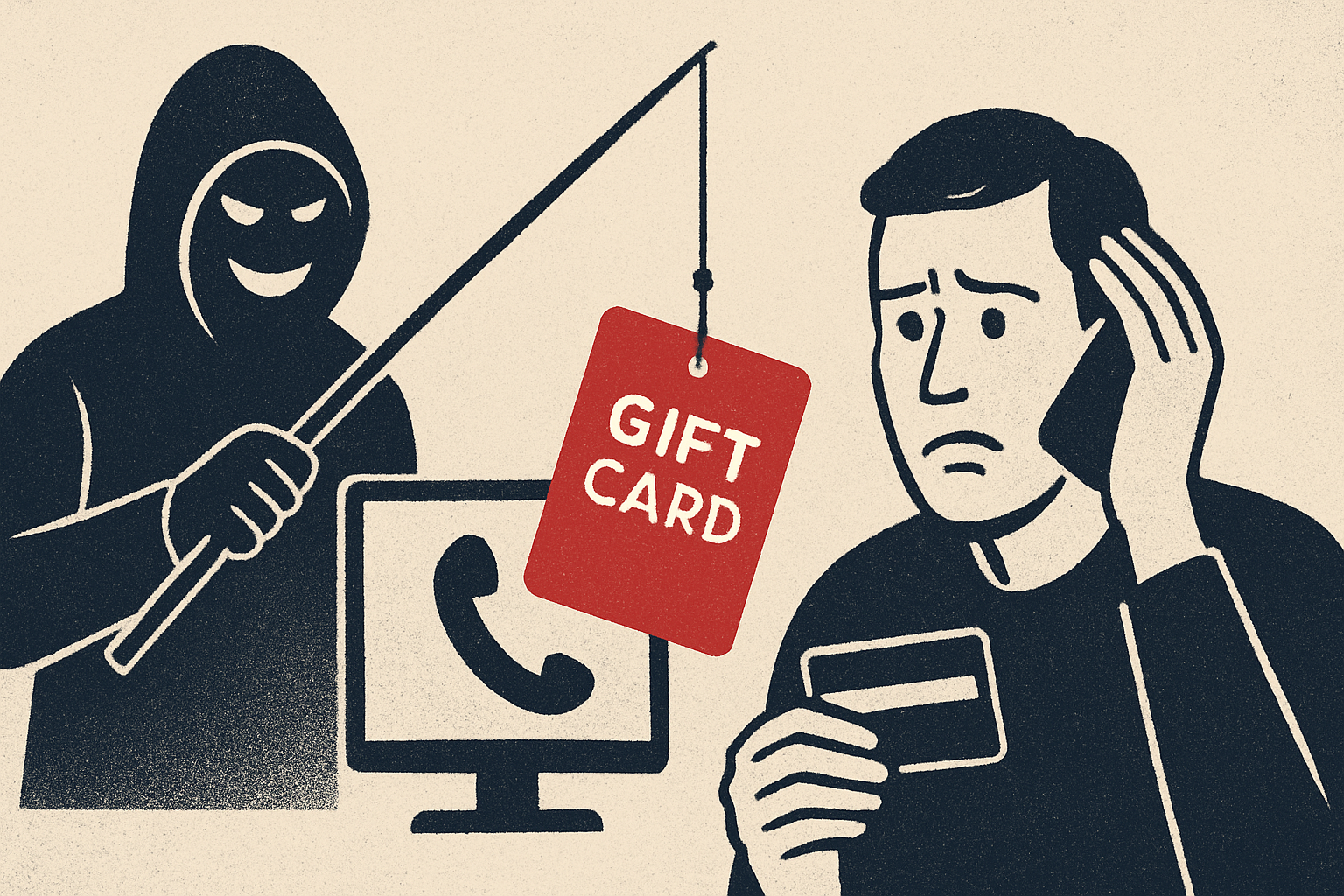
Gift card scams have quietly become one of the most lucrative and widespread forms of consumer fraud in the United States. The Federal Trade Commission received more than 41,000 fraud reports in 2024 representing $212 million in losses from scams involving gift cards and prepaid cards. Behind that staggering figure are real people — retirees, working adults, and even younger consumers — who were deceived, pressured, or manipulated into handing over gift card numbers and PINs to criminals they will never see brought to justice. Understanding exactly how these scams operate is the first and most powerful line of defense.
What Is This Fraud and How It Works
Gift card fraud takes two primary forms: social engineering scams and physical card-draining attacks. In social engineering scams, fraudsters contact victims by phone call, text, email, or social media message, then impersonate a trusted authority — a government agency, a tech company, a bank, or even a family member in distress. They pressure the victim into purchasing gift cards, often directing them to specific retailers like Walmart, Target, CVS, or Walgreens, and then demand the card numbers and PIN codes. The FTC notes that scammers sometimes tell victims to buy cards at multiple stores so cashiers won't grow suspicious. The urgency is manufactured: victims are told that a loved one is in jail, that their Social Security number has been compromised, that their Amazon account was hacked, or that they owe back taxes. According to the FTC, scammers favor this method because gift cards are easy to find, the transactions are largely irreversible, and criminals can remain fully anonymous.
The second major attack vector is card draining — a physical, retail-level crime. Fraudsters remove gift cards from store displays, record or copy the card numbers and PINs hidden beneath the packaging, and return the cards to the shelf, making them appear untouched. They then wait for an unsuspecting shopper to buy and activate the card, at which point the funds are immediately siphoned. Stolen card data is often fed into automated software that monitors activation status in real time. Law enforcement has identified organized criminal networks, including foreign gangs, as being deeply involved in card-draining operations at scale.
Warning Signs to Watch For
The most reliable warning sign is any request to pay for something — anything — with a gift card. No legitimate government agency, utility company, tech support line, or law enforcement body will ever demand payment via gift card. Period. If someone is pressuring you to act immediately, that urgency is itself a red flag engineered to override your judgment. Scammers deliberately do not want you to have time to think or consult someone you trust.
Watch for these specific indicators: a caller who tells you exactly which brand of gift card to buy and sends you to a particular store; instructions to purchase multiple cards from different locations; anyone who asks you to read the card number and PIN aloud over the phone or send photos of the back of the card; and any message claiming you owe a debt, face arrest, or must 'secure' your accounts with gift card payments. On the physical side, inspect gift card packaging carefully before purchase — look for loose, damaged, or resealed packaging; barcodes or PINs that appear scratched, exposed, or covered with a sticker; and any surface alterations to the card itself. Adults over the age of 80 are particularly vulnerable, losing on average three times more than younger victims, though people ages 18 to 49 are statistically more likely to be targeted in the first place.
How to Protect Yourself
Awareness is your strongest shield. Internalize one rule above all others: gift cards are for gifts, not payments. If anyone contacts you and demands payment by gift card — regardless of how official they sound, how threatening the scenario is, or how much they claim to know about you — hang up, close the browser, or walk away. Then verify independently by calling the agency or company directly using a number from their official website, never the number provided by the caller.
When purchasing gift cards as actual gifts, always inspect the packaging for signs of tampering before leaving the store. Only check a card's balance through the official website or the phone number printed on the card itself — never via a link sent in a text or email. If you are a caregiver or family member of an older adult, have an open conversation about gift card scams. According to a 2022 AARP survey, 34% of U.S. adults reported that they or someone they know had been targeted by scams seeking payment by gift card. Retailers and legislators are increasingly stepping in — several states have now passed laws mandating more secure gift card packaging — but individual vigilance remains essential.
What to Do If You're Targeted
If you believe you have been victimized by a gift card scam, act quickly. Contact the gift card issuer immediately — most major issuers have fraud lines — and provide your receipt, the physical card, and all details about when and where you purchased it. Prompt reporting gives you the best chance of recovering some or all of the funds before they are spent. Next, report the incident to the FTC at ReportFraud.ftc.gov and to the FBI's Internet Crime Complaint Center at IC3.gov. If the scam involved impersonation of a government agency, you can also report it to that agency directly. Do not be embarrassed — gift card scams are meticulously engineered psychological attacks, and even highly educated, financially savvy individuals fall victim. Reporting your experience helps authorities track criminal networks and warn others. The average reported loss in gift card fraud is $1,000, but some victims have lost hundreds of thousands of dollars, which is why speaking up matters not just for you, but for your entire community.
- 01Avoiding and Reporting Gift Card Scams— FTC Consumer Advice
- 02Gift Card Fraud Surges as Scammers Get More Sophisticated— National Conference of State Legislatures
- 03As consumers lose millions to gift card scams, lawmakers pressure businesses— Stateline
- 04Gift card scams generate billions for fraudsters and industry as regulators fail to protect consumers— The Conversation