Identity Theft Warning Signs You Can't Ignore
Learn the critical identity theft warning signs flagged by the FTC and FBI — and what to do immediately if your personal information has been stolen.
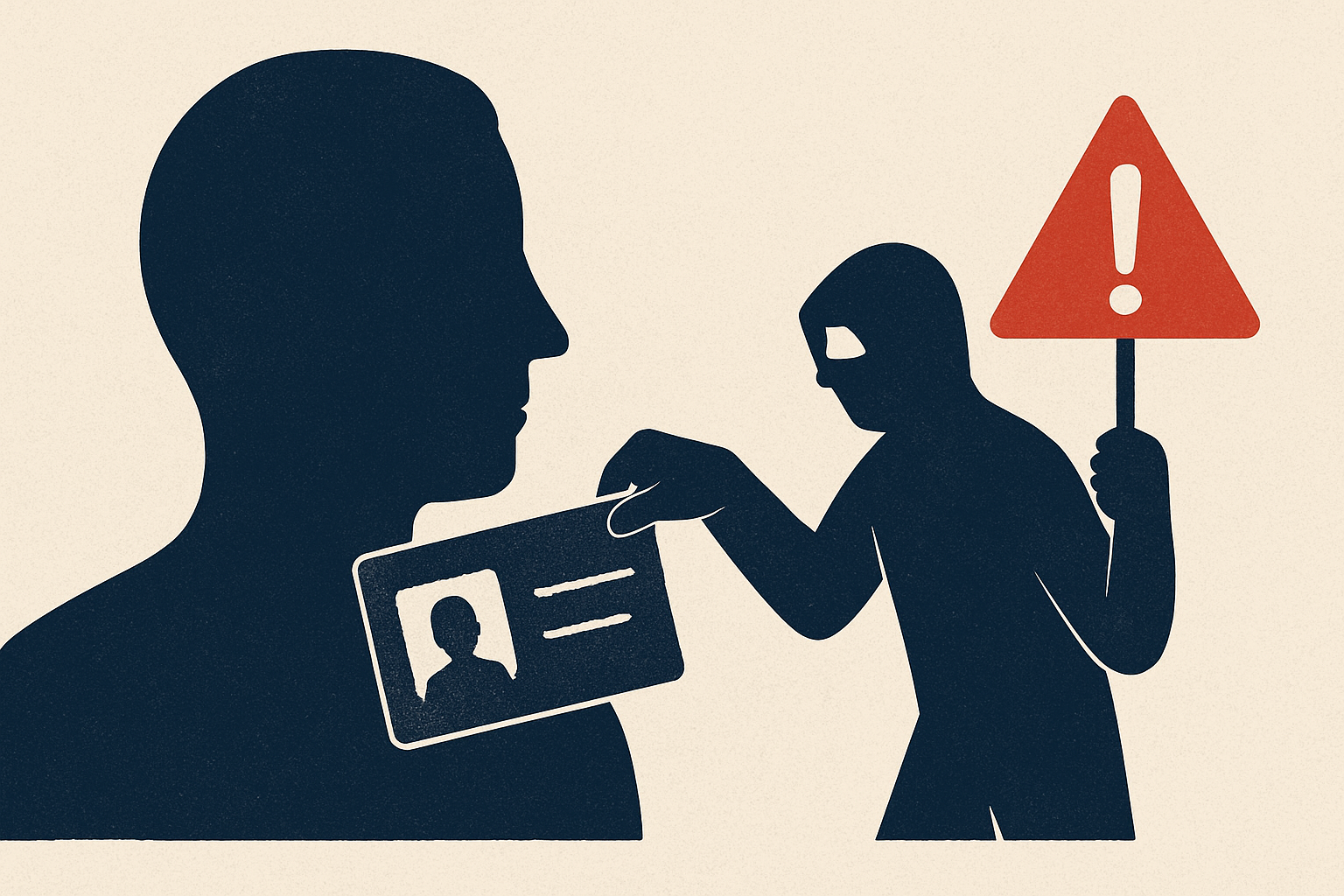
Identity theft doesn't always announce itself with a dramatic event. Most victims discover it weeks — or months — after the damage is done. In 2024, the FTC's Consumer Sentinel Network received over 6.47 million reports, with 18 percent categorized as identity theft. The FBI's IC3 recorded $16.6 billion in total cybercrime losses that same year — a staggering 33 percent increase from 2023. Meanwhile, identity theft reports filed in just the first nine months of 2025 already exceeded the full-year total for 2024. The threat is accelerating, the tactics are evolving, and the stakes have never been higher. Knowing the warning signs is your first and most powerful line of defense.
What Is Identity Theft and How It Works
Identity theft occurs when someone uses your personal or financial information — your name, Social Security number, date of birth, bank account details, or credit card numbers — without your permission. Criminals obtain this data through data breaches, phishing emails, physical mail theft, social engineering, or by purchasing stolen credentials on the dark web. Once they have your information, thieves can open new lines of credit, file fraudulent tax returns, claim government benefits in your name, take over existing financial accounts, or even commit crimes under your identity. What makes modern identity theft particularly dangerous is its sophistication: AI-enabled phishing campaigns now generate highly personalized messages at scale, stripping away the grammatical errors that once made fraudulent outreach easy to spot. Credit card fraud was the most reported form of identity theft in 2024, accounting for roughly 40 percent of all identity theft reports filed with the FTC — a figure that has remained stubbornly consistent for years. Synthetic identity fraud — where criminals combine a real Social Security number with fabricated personal details to construct a composite fake identity — is also rapidly expanding and notoriously difficult to detect.
Warning Signs to Watch For
The FTC identifies several key red flags that should immediately raise alarm. First, watch your mail: if you stop receiving expected bills or statements, it may mean a thief has changed your billing address and is intercepting your correspondence. Second, review every bank and credit card statement — withdrawals or charges you don't recognize are a classic early indicator. Third, scrutinize your credit reports. Accounts in your name that you don't recognize, hard inquiries you didn't authorize, or sudden drops in your credit score can all signal that someone is opening lines of credit in your name. You are entitled by federal law to a free credit report from each of the three major bureaus — Equifax, Experian, and TransUnion — and checking them regularly is one of the most effective habits you can build. Fourth, be alert to unexpected bills arriving for medical services you never received — medical identity theft is a fast-growing subcategory. Fifth, if you receive a notice from the IRS about a duplicate tax return or a refund you didn't request, treat it as an emergency: tax identity theft can delay your legitimate refund by months and requires a formal affidavit to resolve. Sixth, watch for notices from unemployment agencies for benefits you never applied for — the FTC has documented cases where fraudulent unemployment payments are mistakenly deposited into real victims' accounts, after which imposters contact the victim posing as the unemployment agency to demand the money back. Finally, if debt collectors start calling about accounts or debts you don't recognize, don't dismiss it. This is frequently a sign that someone has been using your identity to borrow money with no intention of repaying it.
How to Protect Yourself
Prevention is far less costly — financially and emotionally — than recovery. Start by placing a credit freeze with all three major bureaus. A credit freeze restricts access to your credit file so that no new accounts can be opened in your name; the FTC confirms they are free to place and lift at any time. Next, enable multi-factor authentication on all financial accounts and email addresses. Shred documents containing personal identifiers before discarding them. Be skeptical of any unsolicited communication — phone, text, or email — requesting your Social Security number, account credentials, or financial data. Social media is now the primary fraud contact method for identity theft across most age groups, according to FTC data analysis, meaning your public-facing profiles are a treasure map for criminals. Limit what you share online. Consider signing up for IRS Identity Protection PIN, which prevents anyone else from filing a tax return using your SSN. Regularly monitor all accounts through your bank and credit card issuer's notification systems, setting alerts for any transaction above a threshold you define.
What to Do If You're Targeted
Speed is critical. The sooner fraud is detected and reported, the greater the chance of limiting the damage and — in some cases — recovering funds. If you suspect your identity has been stolen, your first call should be to IdentityTheft.gov, the FTC's official recovery portal, which will generate a personalized, step-by-step recovery plan. Contact the fraud departments of your bank, credit card issuers, and any other financial institutions where you hold accounts. Place a fraud alert or credit freeze with Equifax, Experian, and TransUnion immediately. File a report with your local law enforcement and retain a copy — creditors and debt collectors may require it. If tax-related identity theft is involved, file IRS Form 14039 (Identity Theft Affidavit) to invalidate any fraudulent return filed in your name. If Social Security fraud is suspected, contact the Social Security Administration's Office of the Inspector General. Document everything: dates, names, reference numbers, and outcomes of every call and correspondence. Recovery from identity theft is a process, not a single event — but early action dramatically narrows the window of damage a thief can inflict. The FBI's IC3 at ic3.gov also accepts identity theft complaints and uses them to track criminal patterns nationally.
- 01What To Know About Identity Theft - FTC Consumer Advice— FTC
- 02FBI Releases Annual Internet Crime Report— FBI / IC3
- 032025 Identity Theft Statistics: A Record Year For Fraud— OmniWatch / FTC Data
- 04Facts + Statistics: Identity Theft and Cybercrime— Insurance Information Institute