Investment Fraud on Social Media: Stay Safe
Investment fraud on social media is surging. Learn how scammers operate, the red flags to spot, and how to protect your money from fake investment schemes.
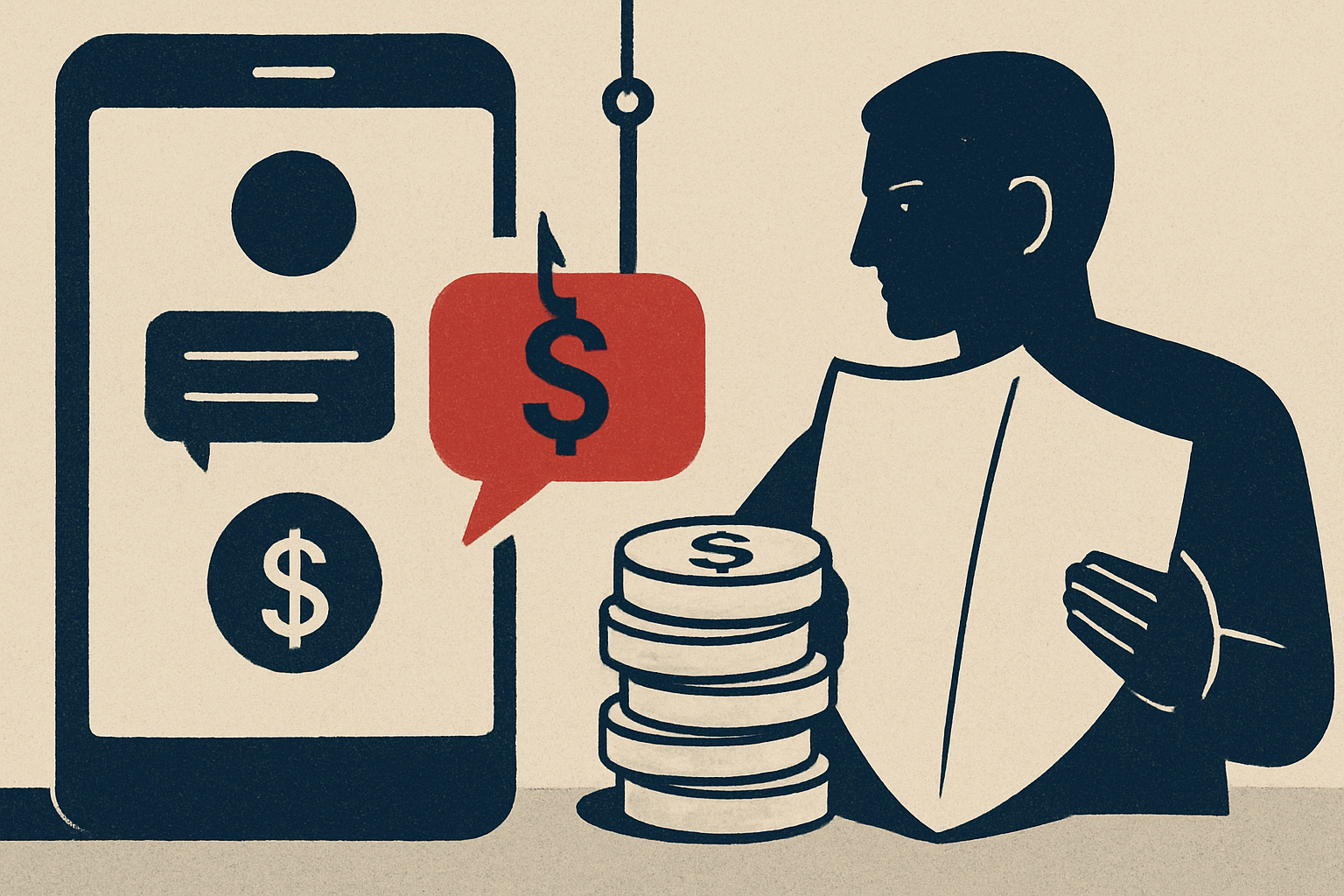
Social media platforms were designed to connect people, share ideas, and build communities. Fraudsters have turned that open architecture into one of the most profitable hunting grounds for investment scams in history. According to the Federal Trade Commission, consumers reported losing more than $4.6 billion to investment fraud in 2023 alone, with social media identified as the single most common contact method. From Instagram influencers promoting fake crypto opportunities to LinkedIn connections pitching fraudulent hedge funds, investment fraud on social media has become a sophisticated, industrialized threat that targets everyone from college students to retired professionals. Understanding how these schemes work is the first and most powerful line of defense.
What Is This Fraud and How It Works
Investment fraud on social media encompasses a broad range of deceptive schemes designed to convince victims to hand over money under the false promise of exceptional financial returns. The most prevalent forms include cryptocurrency pump-and-dump schemes, pig butchering scams, fake trading platforms, Ponzi structures disguised as passive income programs, and fraudulent initial coin offerings promoted by paid influencers. The mechanics follow a predictable playbook. A fraudster establishes a polished social media presence—complete with fabricated testimonials, doctored screenshots of trading profits, and lifestyle imagery projecting wealth. They then initiate contact through direct messages, comment sections, or by joining investment-focused groups. In pig butchering scams, the grooming phase can last weeks or months, with scammers building genuine-seeming romantic or friendship connections before introducing an investment opportunity. Victims are directed to counterfeit trading platforms that display impressive fictitious gains, encouraging them to deposit more funds. When they attempt to withdraw, they are hit with fabricated taxes, fees, or compliance holds—and the operator eventually vanishes entirely. Artificial intelligence has amplified the threat considerably. Deepfake videos of celebrities endorsing fraudulent platforms, AI-generated financial advisors, and automated chatbots that simulate personalized investment advice have made these schemes harder to distinguish from legitimate offerings.
Warning Signs to Watch For
Recognizing the hallmarks of social media investment fraud can prevent devastating financial loss. Be highly suspicious of any unsolicited investment opportunity that arrives via direct message, regardless of how credible the sender's profile appears. Promises of guaranteed returns, risk-free profits, or consistently high yields—often framed as 'exclusive' or 'limited-time' opportunities—are classic fraud indicators, since no legitimate investment can guarantee returns. Scrutinize profiles carefully. Newly created accounts with few followers, stock imagery for profile photos, or follower counts that don't align with engagement levels are warning signs. Reverse-image searching profile photos frequently reveals stolen identities. Be wary of any platform or broker not registered with recognized regulatory bodies such as the SEC, FINRA, or the FCA in the United Kingdom. Legitimate investment firms are verifiable through official regulatory databases. Pressure tactics��urgency, fear of missing out, countdown timers, or claims that the opportunity closes imminently—are manipulation tools designed to bypass rational decision-making. If someone you've only met online is simultaneously developing a personal relationship and steering you toward a specific investment platform, treat it as a serious red flag consistent with pig butchering methodology. Finally, be cautious of celebrity endorsements on social media. High-profile names are routinely exploited through deepfakes, hacked accounts, or paid promotions that celebrities were never involved with.
How to Protect Yourself
Protecting yourself from social media investment fraud requires a combination of skepticism, verification, and digital hygiene. Before engaging with any investment opportunity discovered on social media, independently verify the company and the individual offering it. Search the entity's name alongside terms like 'scam,' 'complaint,' or 'review,' and cross-reference with official regulatory registries. Never invest in a platform you cannot independently verify through official government or regulatory sources. Maintain strict separation between social connections and financial decisions. A compelling online friendship or romantic connection is not a substitute for due diligence on an investment. Segment your digital life by keeping financial account credentials entirely separate from social media login information, and enable multi-factor authentication on all accounts. Be particularly guarded about sharing financial information, screenshots of account balances, or details about your assets online, as fraudsters use this intelligence to calibrate their pitches. Consider consulting a licensed, independently verified financial advisor before making any significant investment. If someone pressures you not to seek outside advice or consult family members, that pressure itself is a disqualifying red flag. Regularly review your privacy settings on social media platforms to limit who can send you unsolicited messages or view personal financial details you may have inadvertently shared.
What to Do If You're Targeted
If you believe you have encountered or fallen victim to investment fraud on social media, acting quickly can make a meaningful difference. Cease all communication with the suspected fraudster immediately and do not send any additional funds, even if you are told that doing so will unlock previous deposits. Document everything—save screenshots of conversations, transaction records, profile URLs, and any communications before accounts are deleted. Report the fraud to the relevant authorities in your jurisdiction. In the United States, file complaints with the FTC at ReportFraud.ftc.gov, the FBI's Internet Crime Complaint Center at ic3.gov, and the SEC at sec.gov/tcr. Report the fraudulent account directly to the social media platform so it can be investigated and removed. If you transferred funds through a bank, cryptocurrency exchange, or wire service, contact those institutions immediately—some transactions may be reversible if reported quickly. Victims should also be alert to recovery scams, a secondary fraud in which criminals posing as law enforcement officials or asset recovery specialists contact previous victims and promise to retrieve lost funds in exchange for upfront fees. These are almost universally fraudulent. Speaking with a licensed attorney who specializes in financial fraud may help clarify your legal options. Remember that falling for a sophisticated investment scam is not a reflection of intelligence—these operations are run by professional criminal organizations that invest heavily in making their deceptions convincing. Reporting your experience not only aids your own case but helps protect others from becoming the next victim.
- 01New FTC Data Show People Have Lost Billions to Social Media Scams— FTC
- 02Fraudsters Target U.S. Stock Investors through Investment Clubs Accessed on Social Media and Messaging Applications— FBI
- 03Social Media and Stock Tip Scams – Investor Alert— SEC (Investor.gov)
- 04SEC Charges Three Purported Crypto Asset Trading Platforms and Four Investment Clubs with Scheme That Targeted Retail Investors on Social Media— SEC