IRS Impersonation Phone Scams: Stay Protected
IRS impersonation phone scams steal millions annually. Learn how these tax fraud calls work, warning signs to spot them, and how to protect yourself.
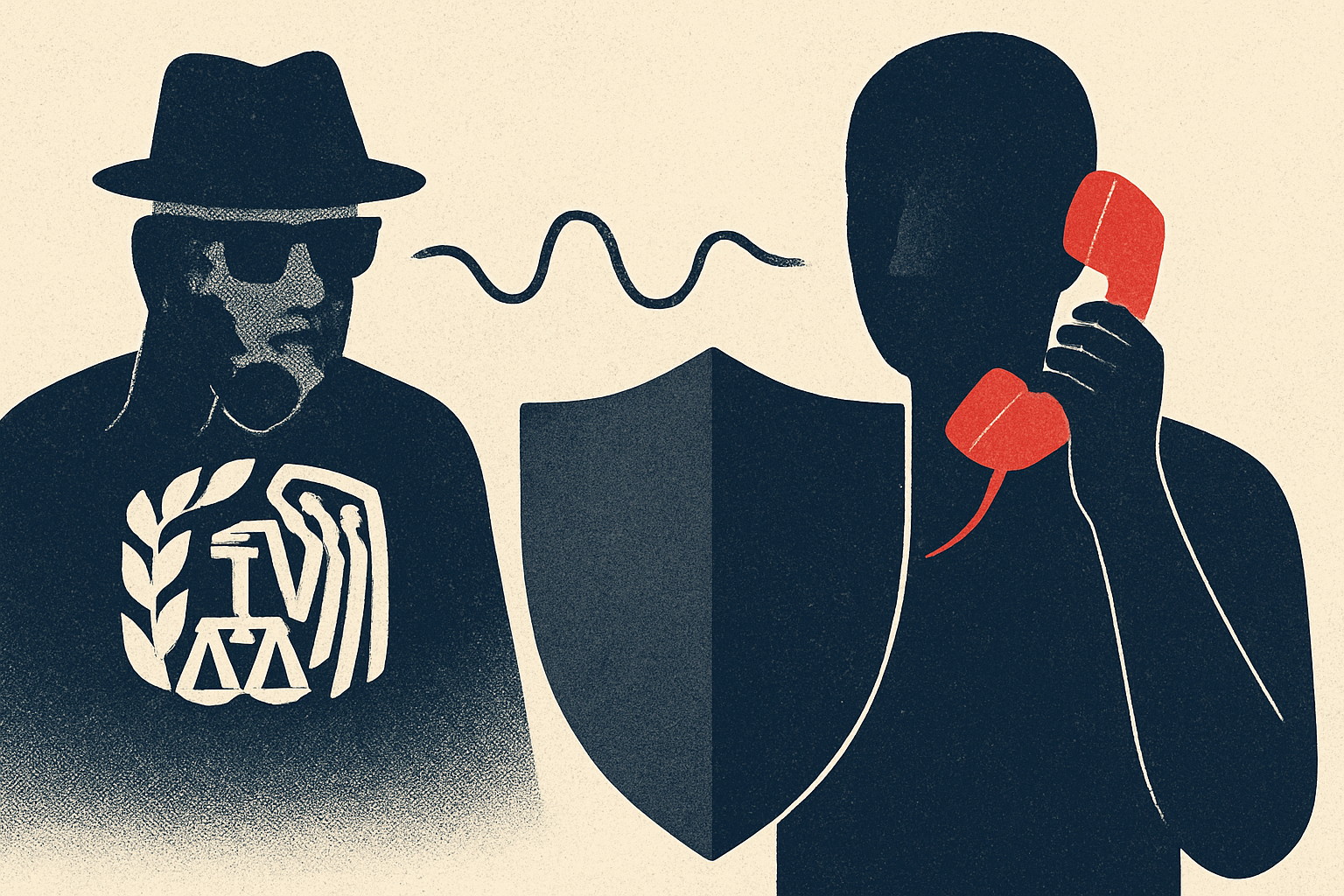
Every year, thousands of Americans receive alarming phone calls from someone claiming to be an IRS agent. The caller insists you owe back taxes, threatens arrest, deportation, or license suspension, and demands immediate payment. These IRS impersonation phone scams are among the most pervasive and financially devastating fraud schemes targeting U.S. taxpayers today. According to the IRS and the Treasury Inspector General for Tax Administration (TIGTA), these scams have cost victims hundreds of millions of dollars over the past decade, with no signs of slowing down. Understanding how these scams operate is your first and most powerful line of defense.
What Is This Fraud and How It Works
IRS impersonation phone scams involve criminals posing as Internal Revenue Service agents or other government officials to extort money or steal personal information from unsuspecting victims. Fraudsters use sophisticated technology, including caller ID spoofing, to make their calls appear as though they are originating from legitimate IRS or government phone numbers. The scam typically begins with an urgent, threatening call informing the target that they owe a specific sum in unpaid taxes and that failure to pay immediately will result in serious legal consequences such as arrest, imprisonment, deportation for non-citizens, or suspension of a business or driver's license. To heighten the sense of panic, scammers often have accomplices call back pretending to be local police or the Department of Motor Vehicles, adding a veneer of legitimacy. Victims are then instructed to pay using untraceable methods such as gift cards, wire transfers, cryptocurrency, or prepaid debit cards. Once the payment is made, the money is virtually impossible to recover. In some variations of the scam, fraudsters ask victims to confirm personal details such as Social Security numbers, bank account information, or date of birth, enabling identity theft on top of immediate financial loss. These operations are frequently run by organized criminal networks operating overseas, making prosecution extremely difficult.
Warning Signs to Watch For
Recognizing an IRS impersonation scam before it causes harm requires knowing the telltale red flags that distinguish fraudulent calls from legitimate IRS contact. First and most importantly, the real IRS initiates nearly all contact through the U.S. mail, not phone calls, and will never demand immediate payment without first sending an official notice. If someone calls you out of the blue claiming to be from the IRS, treat it with immediate suspicion. Legitimate IRS agents will never demand that you pay using gift cards, cryptocurrency, wire transfers, or prepaid debit cards — these are exclusively the payment methods of scammers. The real IRS will never threaten to have police arrest you if you do not pay immediately, nor will they threaten deportation or license revocation. Scammers often use high-pressure tactics designed to prevent you from pausing to verify their claims; the urgency itself is a warning sign. Be wary of callers who refuse to provide a callback number, employee badge number, or written confirmation of your tax debt. Additionally, poor grammar, heavy foreign accents paired with claims of being a local agent, and vague references to your personal information should all raise red flags. If the caller becomes hostile or threatening when you question them or say you want to verify the information, that is almost certainly a scammer.
How to Protect Yourself
Protecting yourself from IRS impersonation scams starts with education and a commitment to verification over reaction. The single most effective protective measure is simple: never make any payment or provide any personal information during an unsolicited phone call, regardless of how threatening or urgent the caller sounds. If you receive a suspicious call, hang up immediately. If you genuinely believe you may owe taxes, call the IRS directly at 1-800-829-1040 using the number listed on the official IRS website, irs.gov. Create a habit of checking your IRS tax account online at irs.gov/account, where you can view your actual balance and any correspondence the agency has sent you. Registering for an IRS Identity Protection PIN (IP PIN) adds an additional layer of security to your tax filings, making it significantly harder for fraudsters to file a fraudulent return using your Social Security number. Educate elderly family members and recent immigrants, who are disproportionately targeted by these scams due to greater unfamiliarity with IRS procedures or fear of authority. Share information about these scams within your community, workplace, and social networks. Installing call-blocking apps and registering with the National Do Not Call Registry can also reduce your exposure to fraudulent calls, though determined scammers often bypass these measures.
What to Do If You're Targeted
If you receive an IRS impersonation call, your immediate response matters. Do not engage with the caller, provide personal information, or make any payment. Hang up and report the incident to the Treasury Inspector General for Tax Administration by calling 1-800-366-4484 or using the online reporting form at tigta.gov. You should also report the scam to the Federal Trade Commission at reportfraud.ftc.gov and to the IRS itself by forwarding any related phishing emails to phishing@irs.gov. If you have already made a payment or shared personal information, act quickly. Contact your bank or financial institution immediately to report fraud and initiate a chargeback or stop payment if possible. If you paid with a gift card, call the card issuer immediately — some companies have fraud departments that may be able to recover funds in rare cases. If your Social Security number was compromised, place a fraud alert or credit freeze with all three major credit bureaus: Equifax, Experian, and TransUnion. File a report with your local police department and visit IdentityTheft.gov for a personalized recovery plan. Remember, falling victim to this scam is not a sign of ignorance — these criminals are highly sophisticated and deliberately exploit stress and fear. Reporting your experience helps authorities track patterns, disrupt criminal networks, and ultimately protect other potential victims.
- 01How To Avoid a Government Impersonation Scam | Consumer Advice— FTC
- 02IRS reminder: Tax scams continue year-round | Internal Revenue Service— IRS
- 03IRS Impersonation Scams on the Rise | Federal Bureau of Investigation— FBI
- 04Avoid Tax Scams and Taxpayer ID Theft | Federal Communications Commission— FCC