IRS Impersonation Phone Scams: Stay Safe
IRS impersonation phone scams steal millions annually. Learn how these tax fraud calls work, warning signs, and how to protect yourself from scammers.
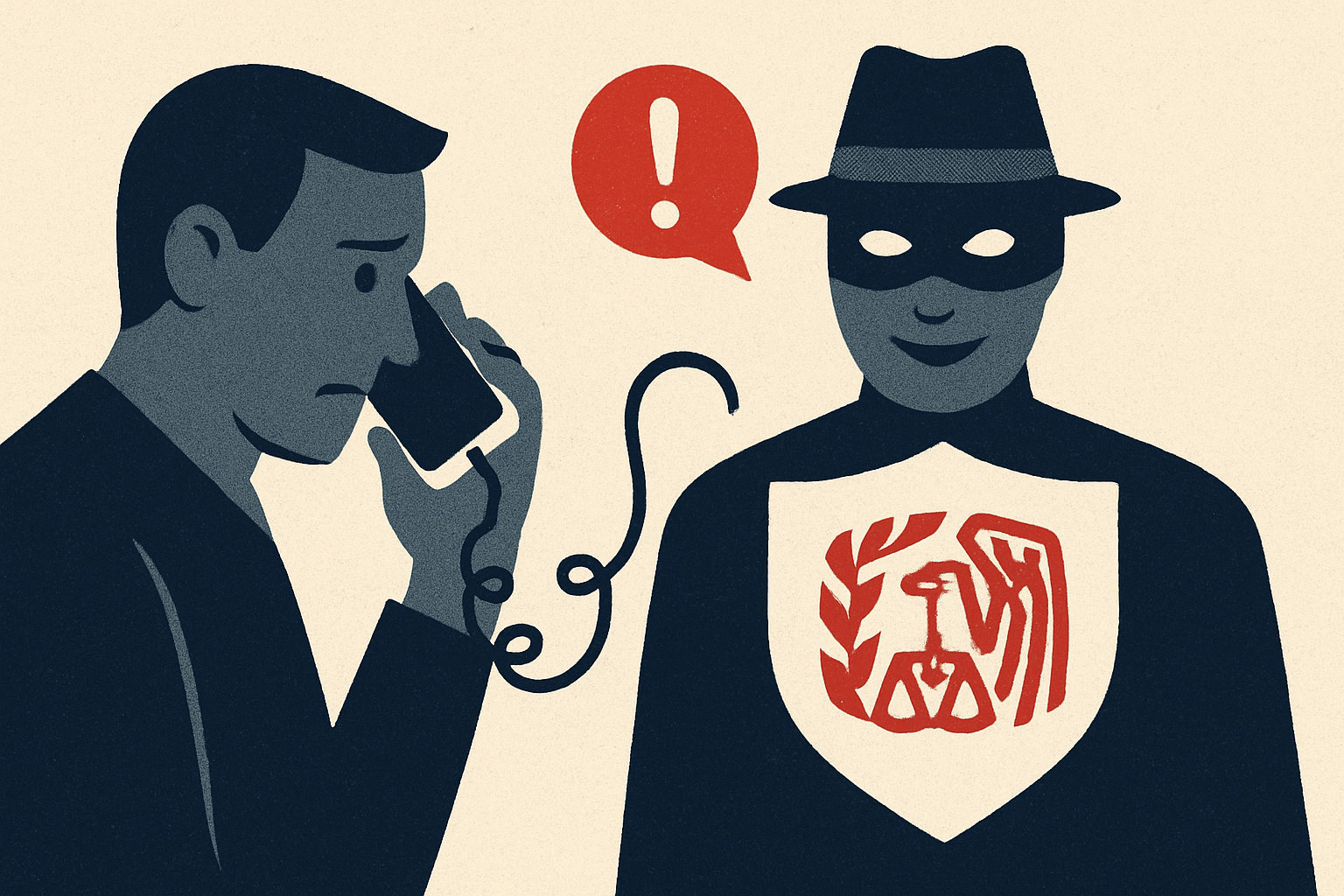
Every year, tens of thousands of Americans receive threatening phone calls from individuals claiming to be IRS agents. These IRS impersonation phone scams have cost victims hundreds of millions of dollars and remain one of the most pervasive and psychologically damaging fraud schemes in the United States. The scam exploits a universal fear — trouble with the federal government — and weaponizes that anxiety to extract money and personal information from unsuspecting victims. Understanding how these scams operate is your first and most powerful line of defense.
What Is This Fraud and How It Works
IRS impersonation phone scams involve fraudsters posing as Internal Revenue Service agents or affiliated law enforcement officers to deceive victims into paying fabricated tax debts or surrendering sensitive personal information. The mechanics are deceptively simple yet highly effective. The caller typically informs the victim that they owe back taxes and that failure to pay immediately will result in arrest, deportation, license suspension, or legal action. To add legitimacy, scammers use caller ID spoofing technology to make the call appear to originate from a real IRS or government phone number. They often provide fake badge numbers, case numbers, and even the names of real IRS supervisors found through public records. Payment demands almost always involve untraceable methods — prepaid debit cards, gift cards, wire transfers, or increasingly, cryptocurrency. The caller may instruct the victim to stay on the phone while purchasing gift cards at a local store, coaching them on what to say to store clerks who might raise concerns. Some operations are highly sophisticated, involving multiple callers playing the roles of IRS agents, police officers, and even attorneys in rapid succession to overwhelm the victim and prevent rational thinking. These schemes frequently originate from overseas call centers, particularly in South Asia, making prosecution difficult and recovery of lost funds nearly impossible.
Warning Signs to Watch For
Recognizing the hallmarks of an IRS impersonation scam can save you from devastating financial and emotional harm. The most critical red flag is the demand for immediate payment over the phone. The IRS never demands that taxpayers pay a tax bill instantly without first mailing an official notice. If the first contact you receive about a tax issue is a phone call rather than a letter, that alone should raise serious suspicion. Be alert to callers who demand payment via gift cards, wire transfers, or cryptocurrency — legitimate government agencies do not accept these payment methods under any circumstances. Threats of immediate arrest, deportation, or police action are manipulation tactics designed to bypass your critical thinking. The real IRS will never threaten to send local police to arrest you for non-payment during a phone call. Other warning signs include callers who refuse to allow you to hang up and consult an attorney or tax professional, callers who become aggressive or abusive when questioned, and callers who already seem to know some of your personal information and use it to establish false credibility. Robocalls delivering urgent pre-recorded messages about suspended Social Security numbers or outstanding tax warrants are also classic elements of this scam.
How to Protect Yourself
Protecting yourself from IRS impersonation scams begins with understanding the IRS's actual communication protocols. The IRS initiates virtually all contact with taxpayers through the U.S. Postal Service. If you genuinely owe taxes, you will receive written notices before any phone contact occurs. If you receive a suspicious call, hang up immediately — engaging with scammers, even to argue or test them, keeps you on the line and makes you more vulnerable to psychological pressure tactics. Never provide Social Security numbers, bank account information, credit card numbers, or any other personal financial data to an unsolicited caller claiming to be from the IRS. Register your phone number with the National Do Not Call Registry at donotcall.gov, and consider enabling call-blocking or spam-filtering features on your smartphone. Educate elderly family members and recent immigrants, who are disproportionately targeted, about these scams. If you are unsure whether you have a legitimate tax issue, hang up and call the IRS directly at 1-800-829-1040 to verify. Use only official government websites such as irs.gov for information. Financial institutions and retailers have increasingly trained staff to recognize signs that a customer may be purchasing gift cards under duress — these safeguards exist for your protection, so do not be coached by a caller to evade them.
What to Do If You're Targeted
If you receive an IRS impersonation call, do not panic — and do not pay. Hang up and report the incident immediately to the Treasury Inspector General for Tax Administration (TIGTA) at 1-800-366-4484 or through their online reporting portal at tigta.gov. You should also file a complaint with the Federal Trade Commission at reportfraud.ftc.gov and report the call to the IRS directly at phishing@irs.gov. If you have already sent money, act quickly. Contact your bank or financial institution immediately if a wire transfer was involved, as some transfers can be stopped or reversed if reported promptly. Gift card issuers may also be able to freeze cards if contacted before the funds are drained. File a police report with your local law enforcement, as documentation may be required for insurance claims or dispute resolution. If you shared personal information such as your Social Security number, visit IdentityTheft.gov for a personalized recovery plan and consider placing a fraud alert or credit freeze with the major credit bureaus. Remember: falling victim to this scam is not a reflection of your intelligence. These operations are run by sophisticated criminal enterprises that have refined their psychological tactics over years. Reporting your experience helps investigators dismantle these networks and protects future victims.
- 01How To Avoid a Government Impersonation Scam— FTC (Consumer Advice)
- 02IRS Impersonators | Consumer Advice— FTC (Consumer Advice)
- 03IRS Impersonation Scams on the Rise— FBI
- 04Avoid Tax Scams and Taxpayer ID Theft— FCC