IRS Phone Scams: How to Spot and Stop Them
IRS impersonation phone scams cost Americans hundreds of millions annually. Learn the red flags, the tactics scammers use, and how to protect yourself.
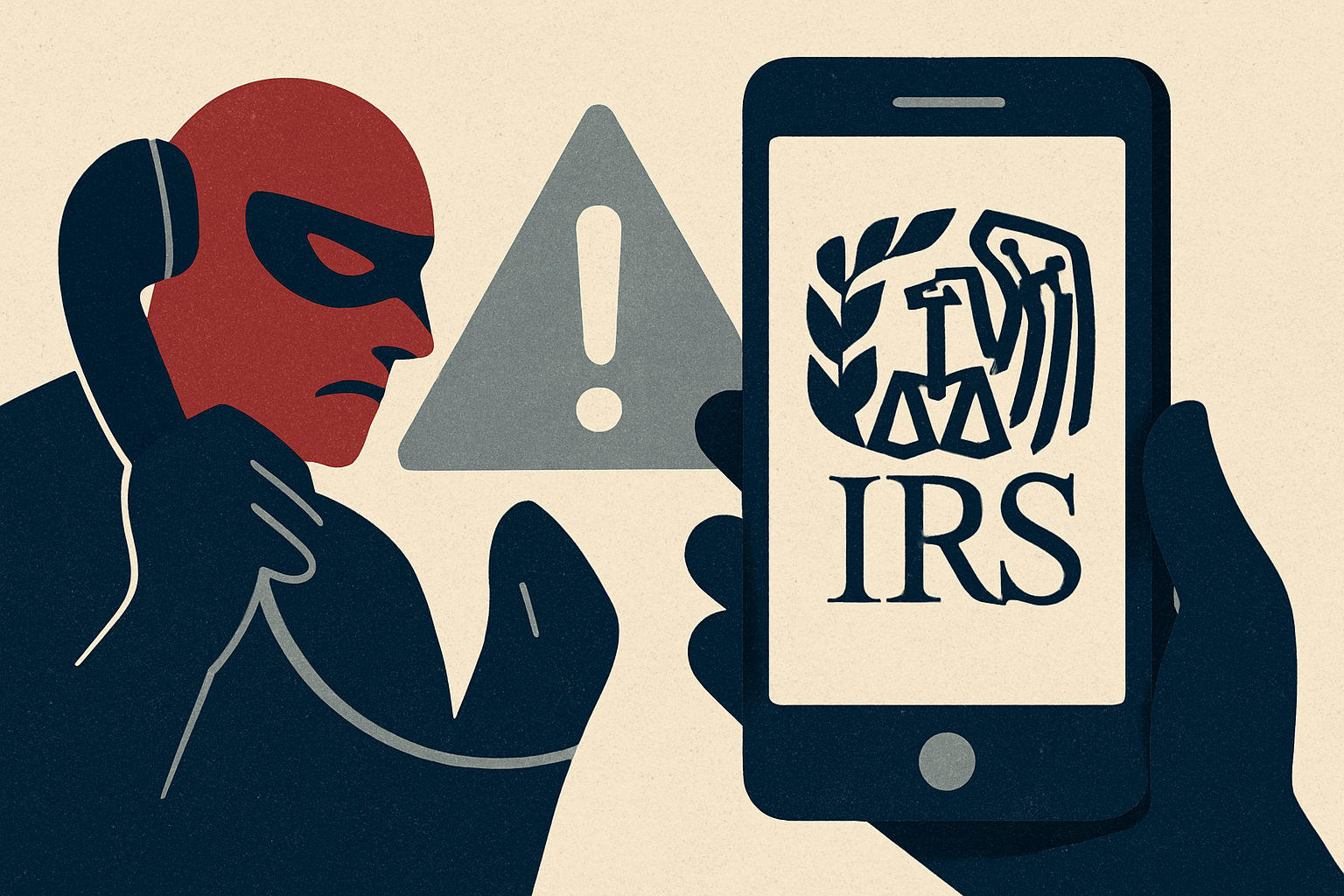
The phone rings. A stern voice announces that you owe back taxes and that law enforcement is on its way unless you pay immediately. Your heart races — but before you reach for your wallet, stop. This is one of the most pervasive financial crimes in America: the IRS impersonation phone scam. Government impersonation losses reached approximately $920 million in 2025 alone, up from $789 million the year before, according to the FTC. These calls are not random annoyances — they are sophisticated, coordinated fraud operations designed to drain your bank account or steal your identity within a single phone call.
What Is This Fraud and How It Works
IRS impersonation scams begin with an unsolicited phone call from someone claiming to work for the Internal Revenue Service or a convincingly official-sounding but entirely fictitious agency. The FTC has documented calls coming from fake outfits using names like 'Tax Resolution Oversight Department' or 'Tax Mediation and Resolution Agency.' Once on the line, the caller tells you that you owe unpaid taxes and offers to connect you with a 'tax resolution officer' who can supposedly perform a 'red flag check' on your credit and enroll you in a fake 'IRS liability reduction program.' None of these programs exist. Some scammers go the opposite route, telling victims they are owed a large refund — all they need is your bank account information to deposit it. Others leave ominous voicemails warning 'this may be our only attempt to reach you,' a pressure tactic designed to trigger a panicked callback. The scam has evolved dramatically with technology: the IRS's own 2026 Dirty Dozen list of top tax threats specifically flags AI-enabled phone scams, including robocalls, voice mimicry, and spoofed caller ID, as a top emerging danger. Scammers can now make your caller ID display the real IRS helpline number (800-829-1040), making even cautious, tech-savvy people second-guess themselves.
Warning Signs to Watch For
The single most important thing every taxpayer must know is this: the IRS's first contact with you will always come by mail, not by phone. An unexpected call demanding immediate payment is, by definition, not the IRS. Beyond that cardinal rule, there are several additional red flags. First, scammers demand that you pay using methods that are nearly impossible to trace or reverse — wire transfers, gift cards, cryptocurrency, or payment apps. The FTC explicitly warns that no government agency will ever ask you to pay this way. Second, callers threaten immediate consequences such as arrest, deportation, or license revocation if you do not pay on the spot. The real IRS will never demand payment without giving you an opportunity to question or appeal the amount owed, and it will never threaten to send police to your door over a phone call. Third, the caller may give you a fake 'employee ID number' and may already know personal details about you — your name, address, or partial Social Security number — to sound credible. This information is often harvested from prior data breaches. Fourth, scammers sometimes layer their deception, claiming to 'transfer' you to a fake FBI agent or a fake FTC staffer to add legitimacy. Callers may also use invented agency names that sound official but do not exist.
How to Protect Yourself
Your best defense is a firm policy: hang up on any unexpected call claiming to be from the IRS. Do not engage, do not press any buttons, and do not call back numbers provided by the caller. If you genuinely believe you may owe taxes, go directly to IRS.gov to review your account, or call the IRS's official number — 1-800-829-1040 — which you should look up yourself on IRS.gov, never use a number a caller gives you. Never give personal or financial information to an unsolicited caller under any circumstances. The FTC also urges taxpayers never to wire money, buy gift cards, use cryptocurrency, or send payments via apps to anyone claiming to represent the government, because those funds are nearly impossible to recover once sent. You should also set up your official IRS Online Account directly through IRS.gov, which lets you verify your actual tax status at any time — neutralizing the fear these callers exploit. Consider enabling call-blocking features on your phone, and share what you know with elderly relatives, who are disproportionately targeted: FBI data shows Americans aged 50 and older lost $11.3 billion to fraud overall in 2025, a record high.
What to Do If You're Targeted
If you receive one of these calls, the immediate steps are straightforward. First, do not provide any information — hang up. If you already shared financial information or sent money, contact your bank or financial institution immediately to attempt to stop or reverse the transaction. Then report the incident on multiple fronts: file a complaint with the FTC at ReportFraud.ftc.gov; report the caller ID and callback number to the IRS directly by emailing phishing@irs.gov with the subject line 'IRS Phone Scam'; and contact the Treasury Inspector General for Tax Administration (TIGTA) at 1-800-366-4484, which is the federal office specifically tasked with investigating IRS impersonation fraud. If you believe your tax identity has been compromised, visit IRS.gov/idtheft for a step-by-step recovery guide. Reporting matters — every complaint filed helps federal agencies build cases, disrupt fraud networks, and warn other potential victims. The FTC's 2024 Impersonation Rule gave the agency significantly stronger tools to pursue and penalize scammers, and in 2025 the FTC brought a direct enforcement action against American Tax Service for running an IRS imposter scheme. Your report could be the data point that stops the next operation.
- 01FTC Data Show People Reported Losing $3.5 Billion to Imposter Scams in 2025— Federal Trade Commission
- 02Hang up on unexpected calls saying you owe back taxes. Those are scams— FTC Consumer Advice
- 03How To Avoid a Government Impersonation Scam— FTC Consumer Advice
- 04Dirty Dozen tax scams for 2026— Internal Revenue Service