IRS Phone Scams: How to Spot & Stop Them
IRS impersonation phone scams cost Americans hundreds of millions yearly. Learn how these calls work, the red flags to spot, and exactly what to do if targeted.
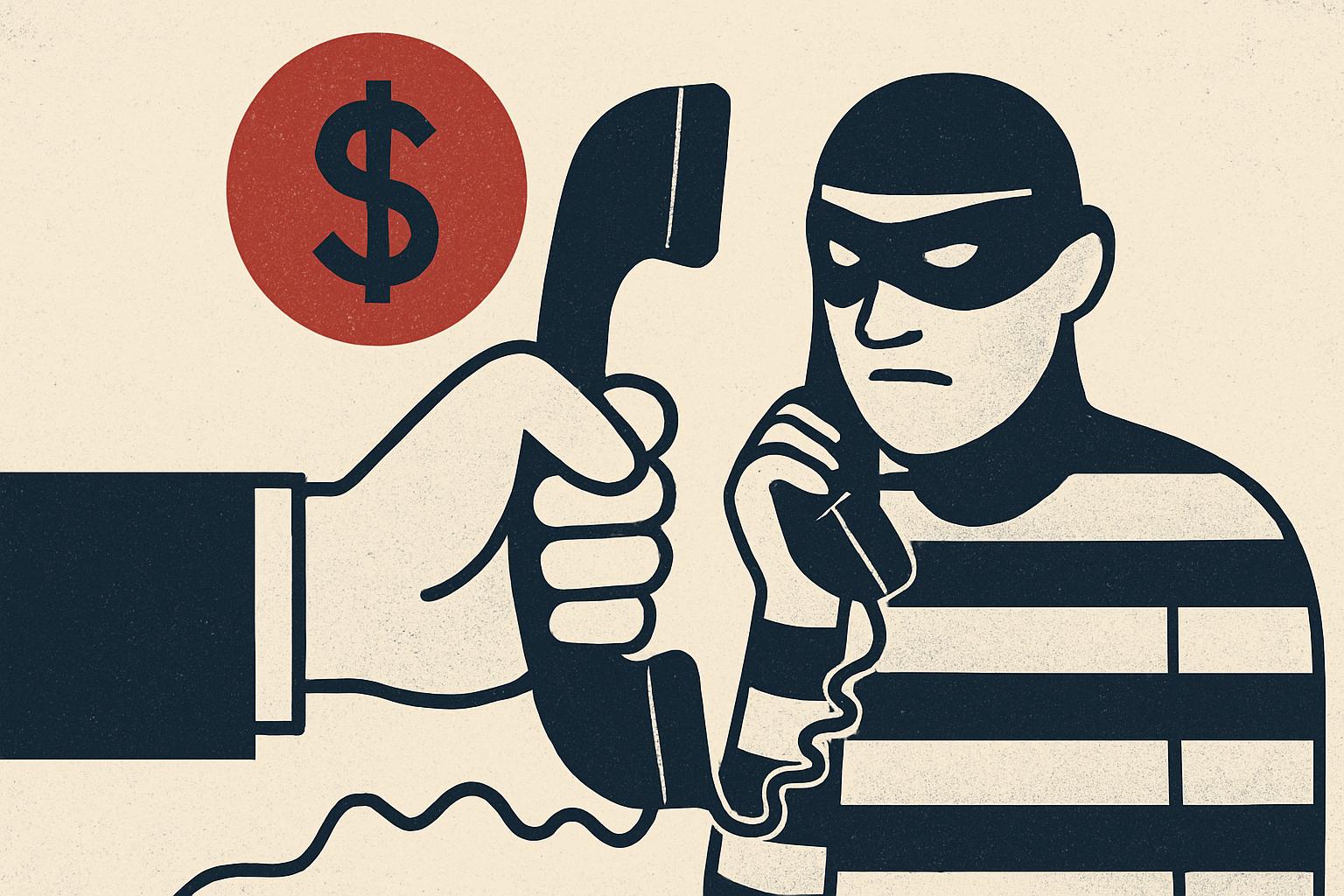
The phone rings. A stern voice announces you owe back taxes and that law enforcement is en route — unless you pay right now. It is one of the most enduring and damaging frauds in America: the IRS impersonation phone scam. Far from fading out, this threat is accelerating. Americans reported losing $920 million to government impersonators in 2025 alone — up from $789 million the year before — as part of a record $3.5 billion lost to all imposter scams that year. Understanding how these calls are engineered, and why they work, is the first line of defense.
What Is This Fraud and How It Works
IRS impersonation phone scams involve criminals calling taxpayers while pretending to be Internal Revenue Service agents or employees of fictitious government bodies. Scammers pretend to be from government agencies like the IRS and say that if you don't pay or give them your personal information, something bad will happen — an arrest, a lawsuit, or the immediate seizure of your assets. The scam typically unfolds in three stages. First, an unsolicited call or robocall reaches the victim, often with a spoofed caller ID that displays a real IRS phone number. Criminals can fake or 'spoof' caller ID numbers to appear to be anywhere in the country, including from an IRS office. Second, the caller escalates urgency — they may claim to transfer you to a fake law enforcement officer to heighten the intimidation. Third, they demand immediate payment in untraceable forms: gift cards, wire transfers, cryptocurrency, or prepaid debit cards. The IRS's 2026 Dirty Dozen list specifically flags AI-enabled IRS impersonation by phone, including robocalls and voice mimicry, as an emerging and dangerous evolution of this scheme. Officials also note that artificial intelligence has likely contributed to the increased volume and convincingness of fraud attempts overall.
Warning Signs to Watch For
Knowing the behavioral hallmarks of these calls can stop a scam in its tracks. The IRS reminds taxpayers it 'does not leave urgent, threatening prerecorded messages, call to demand immediate payment, or threaten arrest.' Any call that does any of these things is a fraud. Watch for these specific red flags: (1) Threats of immediate arrest, deportation, or license revocation if you do not pay on the spot. In many variations of the phone scam, victims are told if they do not call back, a warrant will be issued for their arrest. (2) Demands for payment by gift card, wire transfer, or cryptocurrency — the IRS will never request any of these payment methods. (3) Callers who provide a fake employee badge number or 'government agency' name. The FTC has documented scammers using invented names like 'Tax Resolution Oversight Department' to sound official. (4) High-pressure tactics that deny you any opportunity to verify the claim or consult a professional. Real IRS agents do not demand payment without giving the taxpayer the opportunity to question or appeal the amount owed. (5) Voicemails warning 'this may be our only attempt to reach you,' designed to panic recipients into calling back without thinking.
How to Protect Yourself
The single most powerful protective fact every taxpayer should know: even if you owe back taxes, the IRS's first contact with you will always come by mail, not by phone. The IRS does not initiate contact with taxpayers by email or unsolicited phone call to request personal or financial information. It generally first mails a paper bill to a person who owes taxes. With that knowledge as your foundation, apply these additional protections: Never give an unexpected caller personal or financial information — it is most likely a scammer hoping to drain your bank accounts or steal your identity. Do not wire money or use gift cards, cryptocurrency, or a payment app to pay someone who says they're with the government, because scammers insist on these methods precisely because it is hard to track that money and just as hard to get it back. If you receive a suspicious call, hang up immediately and go directly to IRS.gov to contact the IRS using only an official number found on its website — never the number a caller provides. Finally, do not be fooled by caller ID: spoofing technology makes any number displayable, including legitimate IRS office lines.
What to Do If You're Targeted
If you receive an IRS impersonation call — whether or not you engaged with it — take these steps. First, hang up immediately without providing any information or payment. Second, report the caller ID and callback number directly to the IRS by emailing phishing@irs.gov with the subject line 'IRS Phone Scam.' Third, contact the Treasury Inspector General for Tax Administration (TIGTA) at 1-800-366-4484 or at tigta.gov to report the impersonation attempt — TIGTA is the primary federal body tracking these crimes. Fourth, report the incident to the FTC at ReportFraud.ftc.gov, which feeds the Consumer Sentinel Network used by law enforcement nationwide. If you already sent money, speed is critical: call your bank or card issuer immediately to attempt a reversal. If you purchased gift cards, contact the card company with the card numbers, as cards not yet drained can sometimes be frozen. Wire transfers and cryptocurrency payments are rarely recoverable. Finally, be on guard for follow-up 'recovery scams' — fraudsters who pose as investigators and charge a fee to retrieve your lost funds. The FTC's 2025 enforcement actions under its Impersonation Rule — which targeted schemes including IRS imposter operations — have resulted in over $70 million in redress for consumers, demonstrating that reporting these crimes produces real consequences.
- 01FTC Data Show People Reported Losing $3.5 Billion to Imposter Scams in 2025— FTC
- 02Hang up on unexpected calls saying you owe back taxes. Those are scams— FTC Consumer Advice
- 03Dirty Dozen tax scams for 2026: IRS reminds taxpayers to watch out for dangerous threats— IRS
- 04Avoid Tax Scams and Taxpayer ID Theft— FCC