Lottery & Prize Scams: Tactics, Signs & How to Stay Safe
Lottery and prize scams stole $351 million from Americans in 2024. Learn how these schemes work, the red flags to spot, and how to protect yourself.
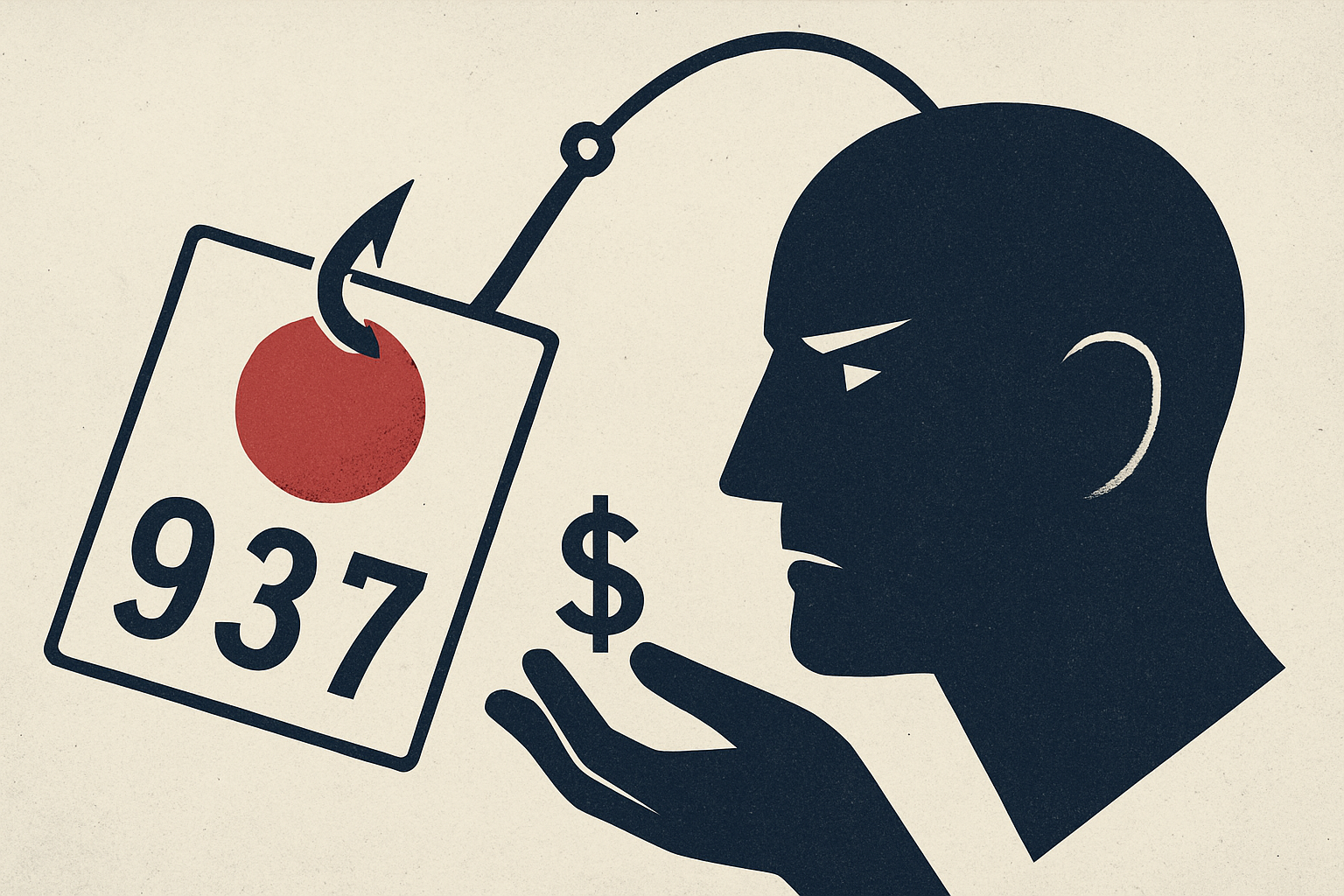
"Congratulations — you've won $1,000,000!" It's a message millions of Americans encounter every year, and for a split second, even the most skeptical among us feel a jolt of excitement. That jolt is exactly what lottery and prize scammers are engineered to trigger. These schemes are among the most persistent and profitable frauds in operation today. According to FTC data, consumers lost $351 million to sweepstakes and lottery scams in 2024 alone — part of a staggering $660 million lost between 2020 and 2025. The FBI's Internet Crime Complaint Center logged 3,690 lottery and sweepstakes fraud complaints in 2024, totaling $102 million in documented losses. And those are only the cases that were reported. Experts consistently note that the true toll is significantly higher, as many victims feel too embarrassed to come forward.
What Is This Fraud and How It Works
Lottery and prize scams share a single, simple lie: you have won something you never entered. Fraudsters contact victims — by phone, text, email, direct message, or even postal mail — and claim the target has been selected to receive a large cash prize, vacation package, or valuable gift. The hook is immediate and emotional. What follows is the trap. Once a victim is convinced they've won, the scammer introduces an obstacle: a fee must be paid before the prize can be released. These fees are framed as taxes, administrative charges, customs duties, courier costs, or "insurance" on the winnings. The FTC warns explicitly that if a prize notification comes with instructions to pay any fee — however small — it is a scam. Victims who pay receive nothing and discover there was never a prize.
Scammers also deploy the fake check tactic: they send the "winner" a counterfeit cashier's check and ask them to wire back a portion to cover processing costs. It is only after the victim sends their own money that the bank confirms the check is fraudulent. In another common variation, criminals impersonate well-known lottery brands — such as Mega Millions or Powerball — using official-looking logos, spoofed email addresses, and convincing websites. Mega Millions officials issued a formal warning in late 2025 about scammers using the game's own logo to promote a fake "special drawing," luring victims into believing they had won a non-existent prize. Scammers may also try to get victims to click malicious links, provide bank account numbers, or wire money for fabricated "taxes" or "fees" — with the bank account then cleaned out entirely. Today's fraud operators also exploit urgency: victims are told their prize will be forfeited if they do not act within days, sometimes hours, leaving little time to think or seek advice.
Warning Signs to Watch For
The warning signs of a lottery or prize scam are consistent regardless of how the message arrives. First and most definitively: you cannot win a lottery or sweepstakes you never entered. If you have no memory of signing up for a competition, any "winning" notification is fraudulent by definition. Second, any request for upfront payment — for taxes, handling, shipping, or fees of any kind — is an absolute red flag. No legitimate prize promotion requires you to pay money to receive your winnings. Third, watch for government impersonation. Scammers frequently claim to represent a "Federal Sweepstakes Board" or other fictitious government body to add credibility. No real federal or state government agency will ever contact you to notify you of a lottery win or to request money to release a prize. Fourth, pressure and urgency are deliberate manipulation tools. Telling a victim their prize will expire within ten days is a classic scammer tactic designed to prevent rational decision-making. Fifth, unusual payment requests — especially wire transfers, prepaid gift cards, or cryptocurrency — are a hallmark of fraud. Legitimate organizations do not request payment in these forms. Finally, be alert to brand impersonation: scammers use the logos, names, and color schemes of real lotteries and well-known companies to manufacture credibility for entirely fake drawings.
How to Protect Yourself
Protecting yourself begins with a mindset shift: genuine windfalls do not require you to spend money first. Adopt the following habits to stay safe. Never send money or provide financial information in response to an unsolicited prize notification, regardless of how official the communication looks. Do not click links in prize notification emails or texts — navigate directly to the official lottery or sweepstakes website by typing the address yourself. Verify any prize claim independently by contacting the organization through a phone number or website you find through your own research, not through contact details provided in the notification. Be especially cautious on social media, which has become a primary delivery channel for lottery scams in 2025. If a senior family member receives a prize notice, help them evaluate it before they take any action — older adults are disproportionately targeted and victimized by these schemes. The FTC's annual report to Congress confirmed that older adults were significantly more likely than younger adults to report losing money to prize, sweepstakes, and lottery scams. Finally, if a check arrives unexpectedly, wait for full bank clearance — which can take weeks — before spending or returning any funds.
What to Do If You're Targeted
If you receive a suspicious prize notification, the DC Office of the Attorney General offers three clear rules: do not respond, do not send any money, and do not give out personal information. If you feel pressured on a call, hang up immediately. If you have already sent money or shared sensitive information, act quickly. Contact your bank or financial institution at once to attempt to halt or reverse any transfers. Then report the scam to the FTC at reportfraud.ftc.gov and file a complaint with the FBI's Internet Crime Complaint Center at ic3.gov. You should also contact your state attorney general's consumer protection office. If a senior was targeted, the AARP Fraud Watch Network (877-908-3360) provides dedicated support. Reporting matters — each agency plays a different enforcement role, and your report contributes to investigations that can lead to real consequences. In June 2024, FTC settlements permanently banned the operators of one sweepstakes scam that had extracted more than $28 million from victims across multiple countries. In another landmark case, scam operators were forced to forfeit a record $30 million in cash and assets. Enforcement is real, but it depends on victims coming forward.
- 01Prize and Grant Scams | Consumer Advice— FTC
- 02Lottery & Sweepstakes | Federal Trade Commission— FTC
- 03Consumer Alert: Sweepstakes and Lottery Scams— DC Office of the Attorney General
- 04Mega Millions Officials Warn of Scammers— Williamson Source / Mega Millions