Medicare Fraud Schemes: How They Work & How to Fight Back
Medicare fraud costs billions every year. Learn how phantom billing, identity theft, and impersonation scams target beneficiaries — and how to protect yourself.
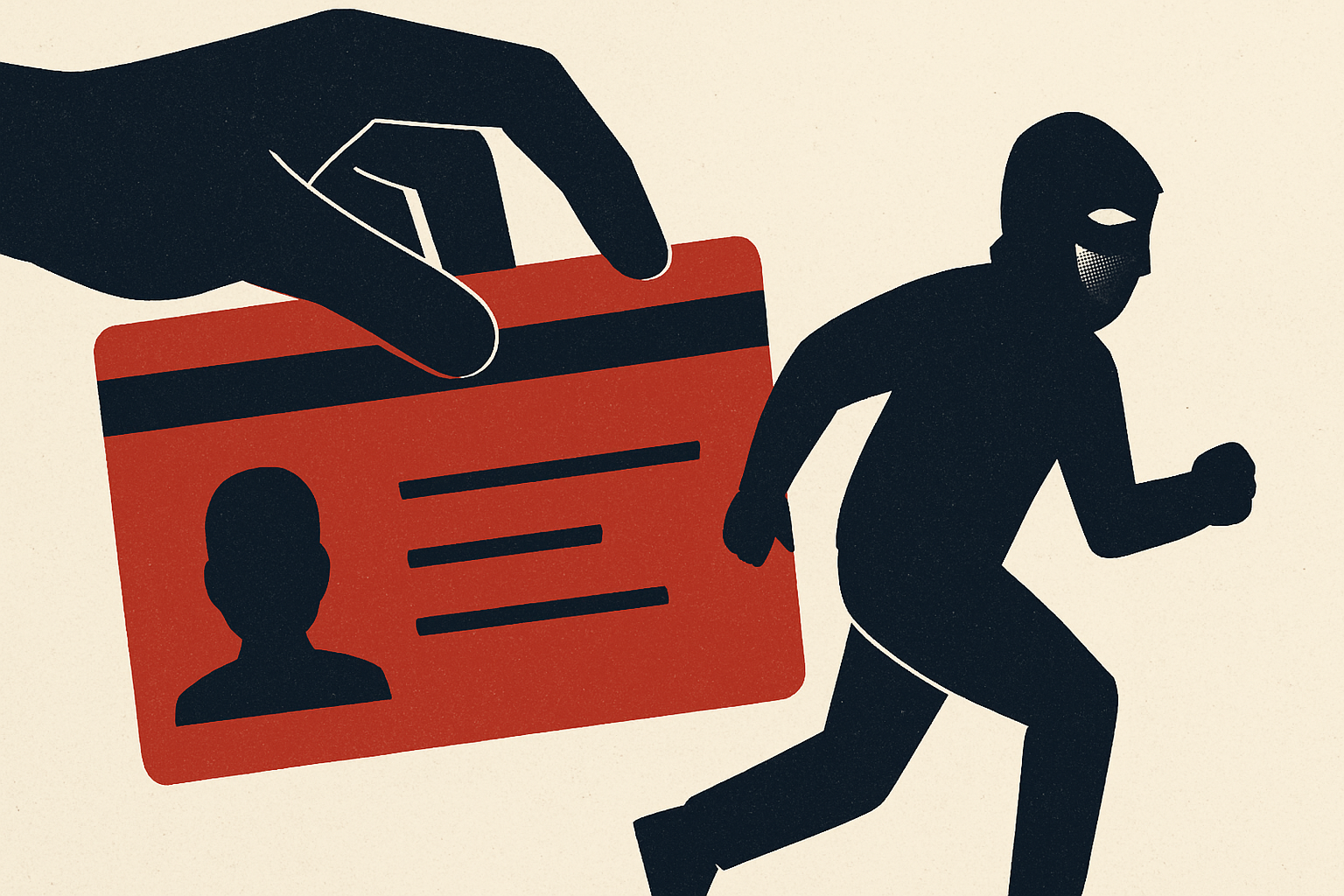
Medicare fraud is one of the most pervasive and costly financial crimes in the United States — and it is getting worse. According to MedicareResources.org, Medicare loses an estimated $60 billion each year to fraud and scams, and in Fiscal Year 2024 alone, Medicare paid out $31.70 billion in improper payments encompassing fraud, waste, and abuse. These are not victimless crimes. As the FBI's Assistant Director in Charge Steven Jensen has stated, health care fraud raises insurance premiums, exposes patients to unnecessary medical procedures, and can lead to identity theft — with every stolen dollar representing one fewer available for needed care. Understanding how these schemes operate is the single most powerful tool beneficiaries and their families have to fight back.
What Is Medicare Fraud and How It Works
Medicare fraud occurs when someone knowingly and incorrectly bills Medicare for services or supplies to receive unauthorized benefits or payment. The perpetrators range from corrupt individual providers to sophisticated transnational criminal organizations (TCOs). The U.S. Department of Treasury's Financial Crimes Enforcement Network (FinCEN) issued a landmark 2026 advisory warning that illicit actors — including TCOs — are increasingly exploiting health care benefit programs by filing false and fraudulent claims for reimbursement, including for nonexistent, exploitative, substandard, or unnecessary medical care. As part of these schemes, criminals often use straw owners — including non-resident aliens and stolen identities of retired physicians — to establish shell companies and register them as health care providers. The DOJ's 2025 National Health Care Fraud Takedown exposed a striking example: one criminal organization exploited the stolen identities of over one million Americans to submit $10.6 billion in fraudulent claims for urinary catheters and durable medical equipment, then laundered proceeds through cryptocurrency and overseas shell companies. The five most common billing fraud tactics identified by FinCEN are: Phantom Billing (claiming services never provided), Upcoding (billing for more expensive services than delivered), Double Billing (filing multiple claims for the same service), Unbundling (splitting bundled services into separate inflated claims), and billing for exploitative or medically unnecessary goods.
The Scale of the Problem: By the Numbers
The enforcement picture is staggering and growing. The DOJ's 2025 National Health Care Fraud Takedown resulted in criminal charges against 324 defendants — including 96 doctors, nurse practitioners, pharmacists, and other licensed medical professionals — across 50 federal districts, for alleged participation in schemes involving over $14.6 billion in intended loss. The government also seized over $245 million in cash, luxury vehicles, cryptocurrency, and other assets. Separately, CMS prevented over $4 billion from being paid in response to false and fraudulent claims and suspended or revoked the billing privileges of 205 providers in the months leading up to that same Takedown. On the state level, Medicaid Fraud Control Units (MFCUs) recovered $1.4 billion in FY 2024 — the highest criminal recovery total in a decade — reporting 1,151 convictions and 493 civil settlements. Financial institutions also filed a record of over 3,800 initial Suspicious Activity Reports (SARs) related to health care fraud in 2025, a 20% year-over-year increase. Even so, authorities note this reporting likely represents only a small fraction of actual illicit activity.
Warning Signs to Watch For
Medicare fraud touches beneficiaries in two key ways: as unwitting billing victims and as targets of direct consumer scams. On the billing side, watch your Medicare Summary Notice (MSN) or Explanation of Benefits carefully. Red flags include charges for services you never received, duplicate charges for the same appointment, or claims from providers you never visited. On the consumer scam side, fraudsters impersonate Medicare representatives via phone, text, or email. Common lures include offers of a 'free' genetic test, new Medicare card, back brace, or glucose monitor in exchange for your Medicare number or Social Security number. Health-related scams tend to spike sharply during Medicare Open Enrollment (October 15 to December 7), when scammers exploit consumer confusion and time pressure. The FTC also warns that scammers pretending to be from the government tell convincing stories to steal money or personal information — and that older adults are disproportionately targeted by government impersonation scams. Fraud schemes are also increasingly promoted through deceptive online ads that claim free phones or cash cards in exchange for enrollment in a health plan.
How to Protect Yourself
Guard your Medicare number like a credit card number — it is the master key fraudsters need to bill in your name. Never share it in response to an unsolicited call, text, or email, even if the caller seems to know your personal details. Treat any unsolicited offer of 'free' medical equipment or services with immediate suspicion; legitimate Medicare contractors do not cold-call beneficiaries to offer free items. Review your Medicare Summary Notices every time one arrives and flag any service, date, or provider you do not recognize. If you receive a call from someone claiming to be Medicare, hang up and call 1-800-MEDICARE directly. Do not click on ads that promise free phones, cash cards, or other incentives tied to health insurance enrollment, as these are almost certainly scams. Finally, consider placing a credit freeze with all three major bureaus — Medicare fraud frequently escalates into full identity theft.
What to Do If You're Targeted
If you suspect Medicare fraud — whether on your billing statement or through a scam contact — act immediately. Report suspected billing fraud to the HHS Office of Inspector General (OIG) at 1-800-HHS-TIPS or oig.hhs.gov. File a complaint with the FTC at ReportFraud.ftc.gov. If you have been the victim of a cyber-enabled health care fraud scheme, file a complaint with the FBI's Internet Crime Complaint Center (IC3) at ic3.gov or contact your nearest FBI field office. If you shared your Medicare number with a scammer, contact Medicare at 1-800-MEDICARE to report it and request a new card. You can also report suspicious Medicare impersonators to the FTC at consumer.ftc.gov. Remember: early reporting not only protects you but feeds the intelligence pipeline that law enforcement agencies — including the new DOJ Health Care Fraud Data Fusion Center, which leverages AI and advanced analytics to detect emerging schemes — rely on to identify and prosecute the next wave of perpetrators.
- 01FinCEN Issues Advisory on Health Care Fraud Schemes Targeting Medicare, Medicaid, and Other Federal and State Health Care Benefit Programs— FinCEN / U.S. Department of the Treasury
- 02National Health Care Fraud Takedown Results in 324 Defendants Charged in Connection with Over $14.6 Billion in Alleged Fraud— U.S. Department of Justice
- 03Medicare fraud and scams: How to spot them and protect yourself— MedicareResources.org
- 04FTC Issues Annual Report to Congress on Agency's Actions to Protect Older Adults— Federal Trade Commission