Medicare Fraud Schemes: How to Spot and Stop Them
Medicare fraud costs billions annually. Learn how common medicare fraud schemes work, warning signs to watch for, and how to protect your benefits.
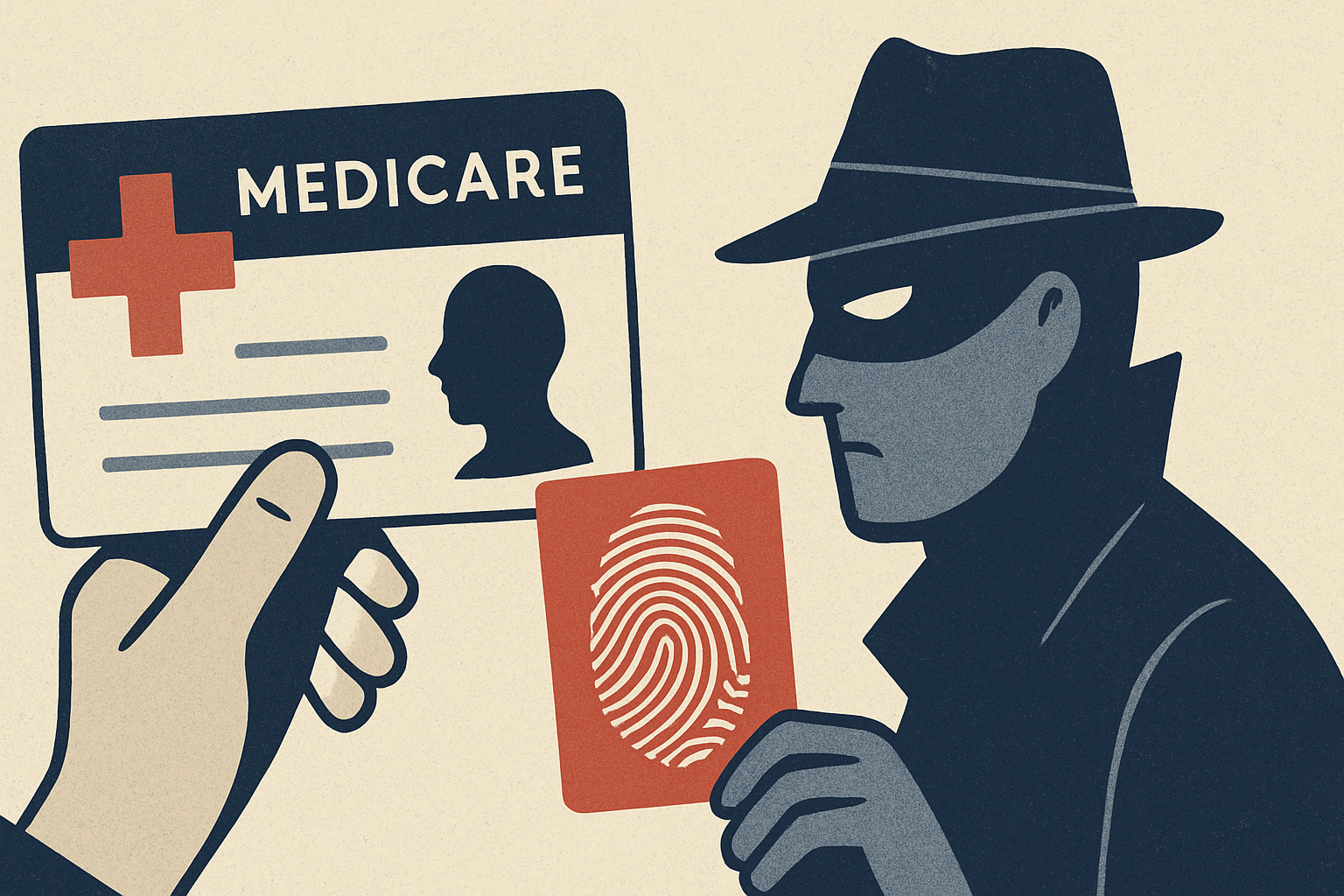
Medicare fraud is one of the most costly and pervasive forms of financial crime in the United States, draining an estimated $60 billion or more from the federal healthcare program every year. These schemes don't just harm taxpayers — they directly victimize beneficiaries, compromise the quality of medical care, and can even put patients' lives at risk through unnecessary procedures or denied legitimate coverage. Fraudsters range from organized criminal networks to individual providers seeking to exploit a complex billing system, and they are becoming increasingly sophisticated in their methods. Understanding how these schemes operate is the first and most critical step in defending yourself and the healthcare system you depend on.
What Is Medicare Fraud and How It Works
Medicare fraud occurs when individuals or organizations deliberately deceive the Medicare program to receive unauthorized payments or benefits. There are several well-documented schemes investigators encounter repeatedly. Billing fraud is among the most common, where healthcare providers submit claims for services never rendered, charge for more expensive procedures than were actually performed — known as upcoding — or bill for multiple services that should be grouped together under a single charge, a practice called unbundling. Phantom billing takes this further, with entirely fictitious clinics or providers submitting claims for patients who never set foot in a facility. Durable Medical Equipment (DME) fraud is another major category, where fraudsters set up sham companies to bill Medicare for wheelchairs, back braces, diabetic supplies, or other equipment that patients never requested or received. In some cases, corrupt marketers pay recruiters to gather Medicare numbers from real beneficiaries, using those identities to flood the system with fraudulent claims. Identity theft plays a central role here — your Medicare number is essentially the key to your benefits, and criminals who obtain it can exploit it repeatedly over months before detection. Kickback schemes, meanwhile, involve medical professionals receiving illegal payments in exchange for referring patients to specific facilities, labs, or equipment suppliers, regardless of whether those services are medically necessary.
Warning Signs to Watch For
Staying vigilant means learning to recognize the red flags that indicate something is wrong with your Medicare account or the providers you interact with. Review your Medicare Summary Notice (MSN) or Explanation of Benefits (EOB) carefully every time one arrives. Look for charges for appointments you don't remember keeping, medical equipment you never received, or tests you were never told about. Be extremely cautious of unsolicited contact — phone calls, text messages, emails, or even door-to-door visits — from individuals claiming to represent Medicare or a healthcare provider. The real Medicare program will never call you unexpectedly to ask for your Medicare number, Social Security number, or banking information. Offers that sound too good to be true, such as free medical equipment, free genetic testing kits, or free consultations in exchange for your Medicare card, are almost always vehicles for fraud. Be wary of providers who routinely waive co-payments without a documented financial hardship process, as this can be a sign of a kickback arrangement or inflated billing scheme. If a medical professional pressures you into signing blank forms or rushes through paperwork without explanation, treat that as a serious warning sign. Fraudulent activity is frequently committed by people operating in plain sight, hiding behind the appearance of legitimacy.
How to Protect Yourself
Protecting your Medicare benefits requires the same diligence you would apply to protecting your financial accounts. Treat your Medicare card with the same care as a credit card — never share your number with anyone who contacts you unsolicited, and only provide it to verified healthcare providers you have personally chosen. Keep a personal health record of every appointment, procedure, and medical supply you receive so you can cross-reference it against your Medicare statements. Opt in to Medicare's free preventive statement review tools available through MyMedicare.gov, where you can track claims in near real-time. If you receive unsolicited medical equipment in the mail, do not simply accept it — contact Medicare immediately, as returning the item and reporting it can prevent fraudulent charges from being submitted in your name. Seniors are disproportionately targeted because they are the primary demographic of Medicare beneficiaries, so community awareness is a powerful tool. Talk to family members and trusted friends about these schemes, and encourage them to review their own statements regularly. When selecting healthcare providers, verify their credentials through the Medicare Provider directory and check for any disciplinary history through your state medical board.
What to Do If You're Targeted
If you suspect you have been the victim of Medicare fraud or have witnessed suspicious activity, act quickly and report it through multiple channels. The first point of contact should be the U.S. Department of Health and Human Services Office of Inspector General (OIG), which maintains a dedicated fraud hotline at 1-800-HHS-TIPS (1-800-447-8477). You can also submit a report online through the OIG website. The Medicare program itself can be reached at 1-800-MEDICARE (1-800-633-4227) to dispute charges and flag suspicious claims. State-level Senior Medicare Patrol (SMP) programs, funded by the federal government, provide free counseling and support to beneficiaries who have been defrauded or are concerned about suspicious activity — these are invaluable resources that are often underutilized. If your Medicare number has been compromised, contact the Social Security Administration and request a replacement Medicare card with a new number. File a report with the Federal Trade Commission at ReportFraud.ftc.gov and consider placing a fraud alert on your credit file as a precaution. Whistleblowers who report fraud involving federal healthcare programs may also be eligible for financial rewards under the False Claims Act if their information leads to a successful government recovery. Medicare fraud is not a victimless crime — reporting it protects you, your community, and the integrity of a program that millions of Americans rely on every day.
- 01Reporting Medicare fraud & abuse | Medicare— Medicare.gov (CMS)
- 02National Health Care Fraud Takedown Results in 324 Defendants Charged in Connection with Over $14.6 Billion in Alleged Fraud— U.S. Department of Justice
- 032025 National Health Care Fraud Takedown | Office of Inspector General— HHS Office of Inspector General
- 04FinCEN Issues Advisory on Health Care Fraud Schemes Targeting Medicare, Medicaid, and Other Federal and State Health Care Benefit Programs— FinCEN (U.S. Department of the Treasury)