Medicare Fraud Schemes: What You Must Know
Medicare fraud costs billions annually. Learn how common medicare fraud schemes work, the warning signs, and how to protect your benefits from criminals.
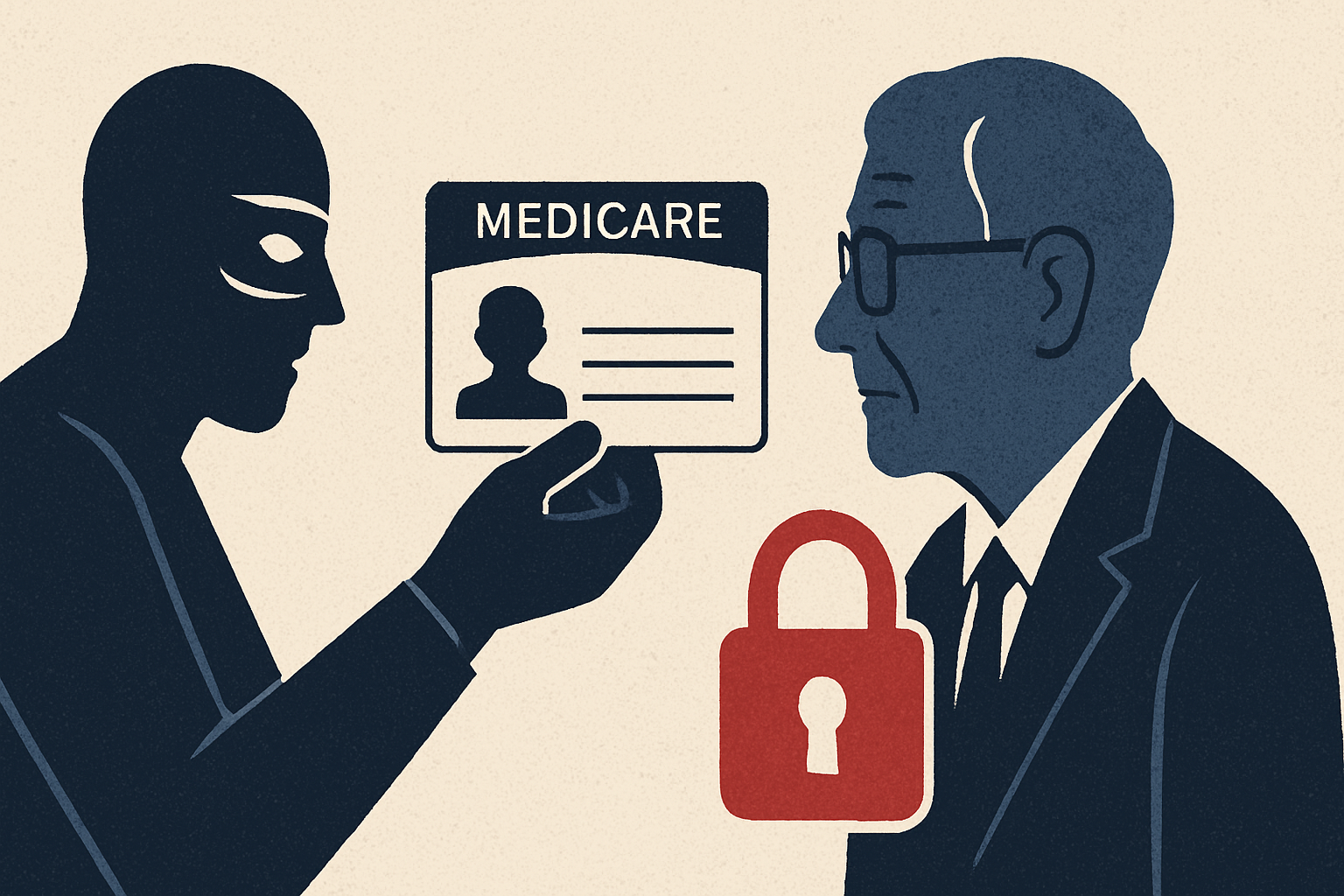
Medicare fraud is one of the most costly and pervasive forms of financial crime in the United States, draining an estimated $60 to $100 billion from the federal healthcare program every year. These schemes don't just harm taxpayers — they compromise the integrity of the healthcare system, endanger patient safety, and can leave beneficiaries with unexpected bills, damaged medical records, and stolen identities. Whether you are a Medicare recipient, a caregiver, or a healthcare provider, understanding how these frauds operate is the first critical step toward stopping them.
What Is Medicare Fraud and How It Works
Medicare fraud occurs when individuals or organizations deliberately deceive the Medicare program to receive unauthorized payments or benefits. Criminals range from opportunistic billing clerks to sophisticated organized crime networks that set up fake medical clinics specifically to exploit the system. One of the most common schemes is billing for services never rendered — a provider submits claims for appointments, procedures, or equipment that a patient never actually received. Equally prevalent is upcoding, where a provider bills for a more expensive service than what was actually delivered; for example, charging for a complex surgical procedure when only a routine consultation took place. Unbundling is another tactic where services that should be billed together at a discounted rate are instead billed separately to inflate reimbursements. Durable medical equipment (DME) fraud is particularly rampant. Criminals set up bogus supply companies, obtain patient information through data breaches or telemarketing calls, and then bill Medicare for expensive wheelchairs, back braces, or diabetic supplies that were never delivered. Identity theft sits at the core of many of these schemes — fraudsters use stolen Medicare numbers just as they would stolen credit card numbers, running up claims without the victim's knowledge until the damage is already done. Another growing threat is the 'Medicare card scam,' where callers impersonating government officials claim beneficiaries need a new card and request their Medicare ID number, Social Security number, and banking information to 'process the update.' There are also prescription drug schemes, where physicians accept kickbacks to prescribe certain medications, or patients sell their prescription benefits to drug dealers who resell medications on the black market — a practice known as prescription diversion.
Warning Signs to Watch For
Recognizing the red flags of Medicare fraud can prevent significant harm. Always review your Medicare Summary Notice (MSN) or Explanation of Benefits (EOB) carefully when it arrives. If you see charges for services you never received, dates when you were not at a medical facility, or providers you have never heard of, these are serious warning indicators. Be wary of any unsolicited phone calls, texts, or emails from someone claiming to be from Medicare — the program does not typically contact beneficiaries this way to ask for personal information. Watch for offers of free medical equipment or services in exchange for your Medicare number; legitimate providers will never ask for your ID in this context. If a provider pressures you to sign blank forms, claims that a service is 'free to you because Medicare pays for it,' or offers cash or gifts for accepting services, you are almost certainly dealing with a fraudulent operation. Also be alert if a clinic or supplier goes out of business unexpectedly or changes ownership frequently, as this is a common tactic to evade detection. For caregivers managing benefits on behalf of elderly relatives, watch for unexpected medical bills, unfamiliar providers on benefit statements, or changes in coverage that the beneficiary did not authorize.
How to Protect Yourself
Protecting your Medicare benefits requires active, ongoing vigilance. Treat your Medicare card like a credit card — guard the number carefully and never share it over the phone or via email unless you initiated the contact and are certain of the recipient's identity. Sign up for Medicare's online MyMedicare.gov portal, which allows you to monitor claims in near real-time, making it much easier to spot fraudulent activity early. Keep detailed personal records of every medical appointment, procedure, and piece of equipment you receive so you can cross-reference them against your benefit statements. If you receive a call from someone claiming to represent Medicare or a related agency, hang up and call the official Medicare helpline at 1-800-MEDICARE to verify the inquiry independently. Never accept medical equipment or supplies from providers who contact you out of the blue, and be extremely cautious with any free health screening events that require you to provide your Medicare number. Beneficiaries enrolled in Medicare Advantage or Part D prescription plans should also monitor those benefits separately, as fraud in these areas is equally common and often overlooked.
What to Do If You're Targeted
If you suspect you have been the victim of Medicare fraud or have witnessed it, immediate action is essential. Start by documenting everything: save any suspicious correspondence, note the names and numbers of callers, and gather your Medicare statements showing the questionable charges. Report the fraud directly to the U.S. Department of Health and Human Services Office of Inspector General (OIG) at 1-800-HHS-TIPS or online at oig.hhs.gov. You can also report it to your State Health Insurance Assistance Program (SHIP) or call 1-800-MEDICARE. If your Medicare number or personal identity information has been compromised, contact the Social Security Administration and consider placing a fraud alert on your credit reports with the three major bureaus: Equifax, Experian, and TransUnion. Whistleblowers who report Medicare fraud — including healthcare employees who witness internal billing abuses — may be protected under the False Claims Act and in some cases eligible for a financial reward if their information leads to a successful prosecution. Medicare fraud is a crime that affects every American, not just beneficiaries. Reporting it protects the program for current and future generations and helps ensure that healthcare resources reach the people who genuinely need them.
- 01Reporting Medicare fraud & abuse | Medicare— Medicare.gov (CMS)
- 02Healthcare Fraud | Federal Bureau of Investigation— FBI
- 03National Health Care Fraud Takedown Results in 324 Defendants Charged in Connection with Over $14.6 Billion in Alleged Fraud— DOJ
- 04FinCEN Issues Advisory on Health Care Fraud Schemes Targeting Medicare, Medicaid, and Other Federal and State Health Care Benefit Programs— FinCEN (U.S. Department of the Treasury)