Online Shopping Fraud Red Flags You Must Know
Learn to spot online shopping fraud red flags before you lose money. Expert tips on identifying fake stores, scam deals, and deceptive tactics in 2024.
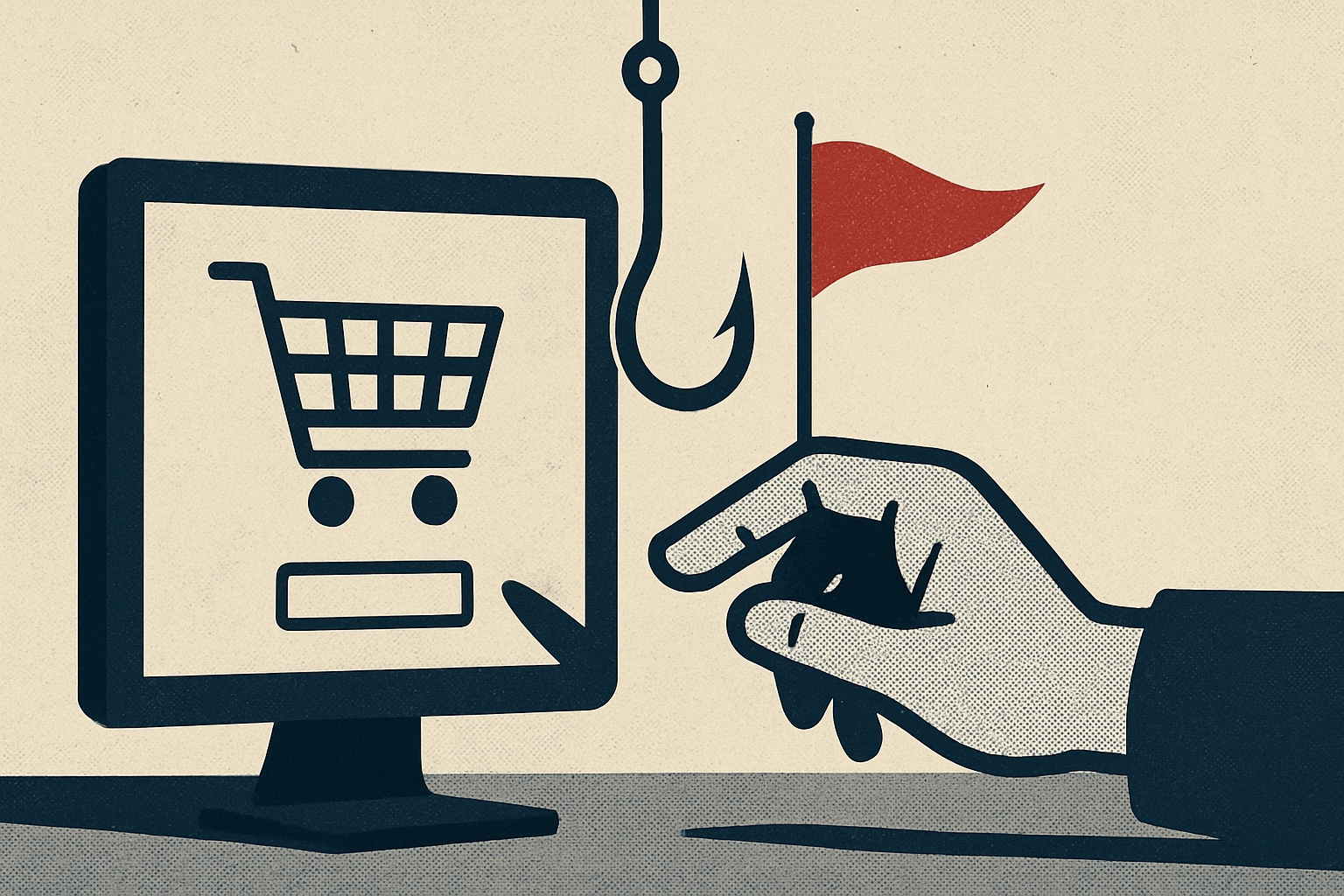
Online shopping has transformed the way we buy goods, but it has also opened a vast playground for fraudsters. In 2023 alone, the Federal Trade Commission reported consumers lost over $10 billion to online fraud, with e-commerce scams representing one of the fastest-growing categories. Whether you're hunting for a discounted designer bag or browsing a flash sale on electronics, criminals have engineered sophisticated storefronts, social media ads, and checkout experiences designed to steal your money and personal information. Knowing the online shopping fraud red flags before you click 'Buy Now' is no longer optional — it's essential financial self-defense.
What Is Online Shopping Fraud and How It Works
Online shopping fraud is a broad category of deception in which criminals impersonate legitimate retailers or create entirely fictitious e-commerce websites to steal payments, harvest financial credentials, or ship counterfeit and nonexistent goods. The mechanics vary widely. In a classic fake storefront scheme, fraudsters build a convincing website — sometimes cloning a real brand's design — list products at irresistible prices, collect payment, and either disappear entirely or ship worthless knockoffs. In triangulation fraud, criminals use stolen credit card data to purchase real goods from legitimate retailers on your behalf, while pocketing your payment and leaving the card's true owner to dispute the charges. Social media shopping scams have surged dramatically, with fake Instagram and Facebook storefronts running paid ads that lead to fraudulent checkout pages. Marketplaces like eBay and Facebook Marketplace also host third-party sellers who collect deposits for high-value items they never intend to deliver. In nearly every variant, the common thread is urgency, deception, and the exploitation of consumers who let their guard down in the excitement of a perceived great deal.
Warning Signs to Watch For
Recognizing online shopping fraud red flags early can save you significant financial and emotional distress. First, scrutinize pricing: if a deal seems too good to be true — luxury goods at 80% off, brand-new electronics at a fraction of retail, or 'limited-time' offers that pressure immediate action — treat it as a major warning sign. Fraudulent sites frequently underprice products to override your skepticism. Second, examine the website URL carefully. Scam sites often use domain names that closely mimic legitimate brands with subtle misspellings (e.g., 'amaz0n-deals.com' or 'nikeshoesofficials.net') or unusual top-level domains like .xyz or .shop. A missing or invalid SSL certificate — indicated by 'http://' rather than 'https://' — is another red flag, though note that fraudsters increasingly use SSL certificates to appear legitimate. Third, evaluate contact information: legitimate retailers publish a physical address, phone number, and responsive customer service email. Vague or absent contact details, or customer service that only accepts messages through an anonymous form, are serious indicators of fraud. Fourth, look for low-quality website design featuring spelling errors, broken links, stock photography that appears mismatched with the brand, and inconsistent formatting. Fifth, be wary of unusual payment demands. Scammers frequently request wire transfers, cryptocurrency, gift cards, or payment app transfers because these methods are nearly impossible to reverse. Legitimate retailers accept credit cards and established payment processors. Finally, check for reviews — but verify them. A site with only five-star reviews, no negative feedback, or reviews that all read in a similar generic tone has likely fabricated its social proof.
How to Protect Yourself
Proactive habits dramatically reduce your exposure to online shopping fraud. Always research an unfamiliar retailer before purchasing. Search the business name combined with terms like 'scam,' 'reviews,' or 'complaints' and consult platforms such as the Better Business Bureau, Trustpilot, and Sitejabber. Use WHOIS lookup tools to check when a domain was registered — sites created within the past few months selling high-demand goods warrant serious skepticism. Pay by credit card whenever possible, as the Fair Credit Billing Act gives you robust chargeback rights that debit cards and alternative payment methods do not offer. Enable transaction alerts on all your accounts so you receive immediate notification of any charges. Avoid clicking shopping links embedded in unsolicited emails, text messages, or social media ads; instead, navigate directly to the retailer's official website by typing the URL yourself. Use a dedicated email address for online shopping accounts to reduce your primary inbox's exposure to phishing. Consider virtual credit card numbers offered by many major banks — these single-use numbers protect your real account details even if a merchant is compromised. Finally, keep your devices and browsers updated to ensure you benefit from the latest security patches that block known malicious sites.
What to Do If You're Targeted
If you suspect you've fallen victim to online shopping fraud, act immediately. Contact your bank or credit card issuer to dispute the charge and request a new card number. Time is critical — the sooner you report the unauthorized transaction, the higher your chances of recovery. File a complaint with the FTC at ReportFraud.ftc.gov, with the Internet Crime Complaint Center (IC3) at ic3.gov, and with your state's attorney general office. If the fraud occurred on a major marketplace such as Amazon, eBay, or Etsy, report the seller directly through the platform's resolution center, as most have buyer protection programs. Screenshot all evidence — transaction confirmations, emails, the fraudulent website, and any communications with the seller — before the scammer can scrub their digital footprint. If you provided personal information beyond payment details, such as your Social Security number or date of birth, consider placing a credit freeze with all three major bureaus (Equifax, Experian, and TransUnion) to prevent identity theft. Share your experience publicly through consumer review platforms to protect other potential victims. Online shopping fraud thrives in silence; reporting not only helps you but contributes to the broader effort to hold these criminals accountable.