Pig Butchering Crypto Scams: How They Work
Pig butchering crypto investment scams stole $5.8B in 2024. Learn the tactics, red flags, and how to protect yourself from this devastating fraud.
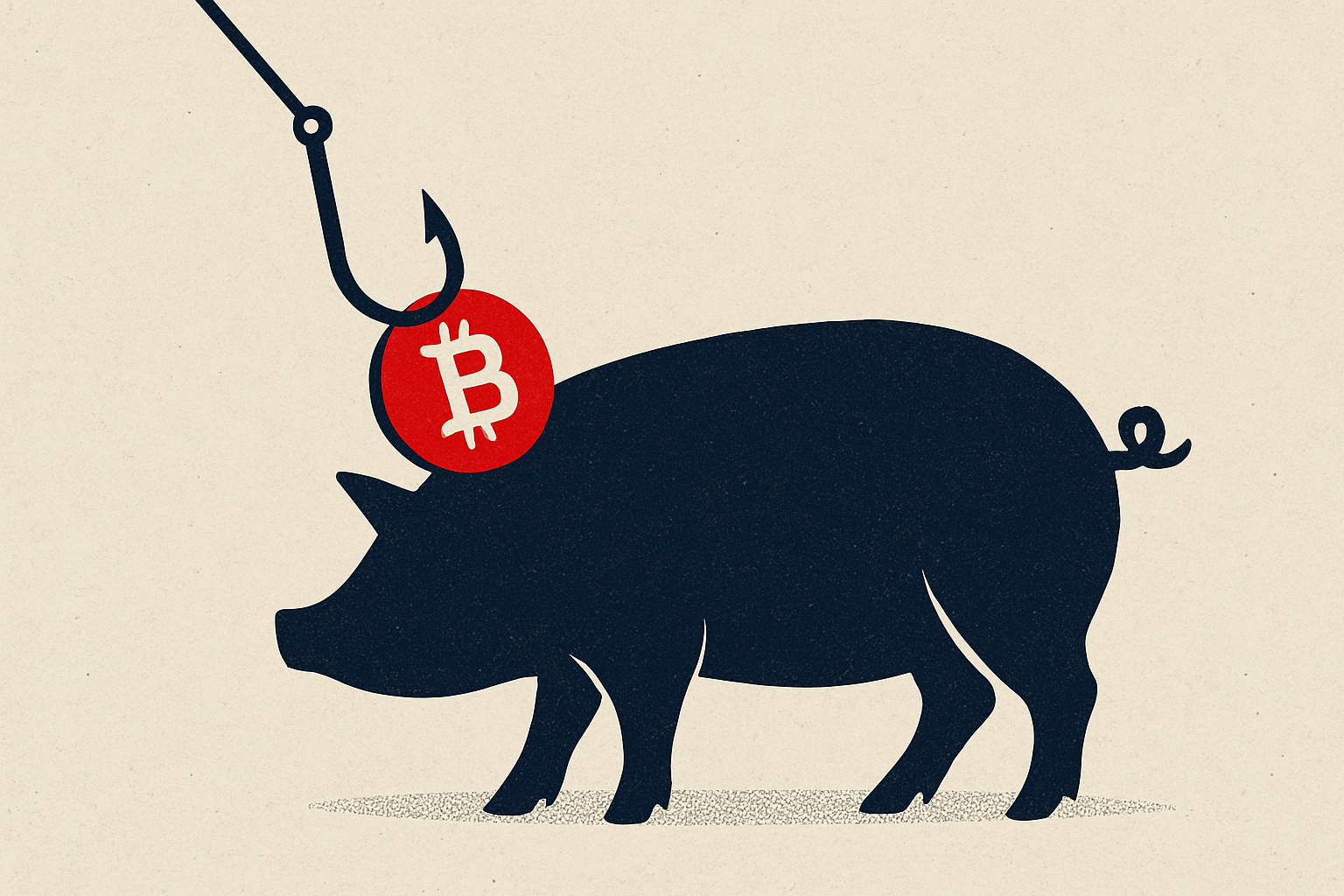
Imagine receiving a friendly text from a stranger who quickly becomes your confidant — and then your financial ruin. That is the cold architecture of a pig butchering scam: a meticulously engineered confidence fraud that blends romance, social engineering, and fake cryptocurrency platforms into one of the most financially destructive schemes law enforcement has ever documented. In 2024 alone, cryptocurrency investment fraud — commonly known as pig butchering — accounted for $5.8 billion in damages across more than 41,000 IC3 complaints, and pig butchering revenue grew nearly 40% year-over-year. This is not a fringe crime. It is a professionalized, globally organized industry, and it is targeting people just like you.
What Is Pig Butchering and How Does It Work?
The term 'pig butchering' originates from the Chinese phrase sha zhu pan, describing the process of fattening a hog before slaughter. In fraud terms, scammers 'fatten' victims by slowly building trust and coaxing them to deposit ever-larger sums into fake investment platforms before 'butchering' them — draining every dollar and vanishing. The FBI defines it plainly: cryptocurrency investment fraud, also known as pig butchering, is a confidence-based scam in which subjects target victims online, develop a relationship, and then introduce a fraudulent investment opportunity in cryptocurrency. Victims are coached to invest more and more money into what appears to be an extremely profitable platform, only to find themselves unable to withdraw their funds. The scam typically unfolds in three phases. First comes the 'grooming' phase: a scammer contacts a target via dating app, social media, WhatsApp, or even a 'wrong number' text. They are warm, attentive, and patient — sometimes investing weeks or months building a genuine-feeling friendship or romance. Second, the 'investment' phase begins. The scammer casually mentions they have been earning extraordinary returns trading cryptocurrency and offers to share their secret platform. Victims are directed to a slick, professional-looking app or website that shows simulated — entirely fabricated — account gains. Small initial withdrawals are often permitted to build credibility. Third, the 'butchering' occurs. Once the scammer has convinced the victim to deposit their maximum funds, the platform freezes withdrawals. Victims may be told they owe 'taxes' or 'unlock fees' to access their money. Those additional payments disappear too. Then the scammer — and the platform — go dark. After victims are tricked into buying crypto, they are shown fake online accounts with fictitious returns while the stolen funds are moved offshore. These criminal operations are largely run out of Southeast Asia, frequently using victims of labor trafficking as the front-line operators making contact with millions of unsuspecting targets worldwide.
The Alarming Scale of the Problem
The numbers are staggering and accelerating. Investment fraud was the single costliest crime category tracked by the FBI's IC3 for the second year in a row in 2024, with reported losses totaling $6.57 billion — a 44% increase from 2023's $4.57 billion. Cryptocurrency fraud accounted for 72% of all investment scam losses. Pig butchering romance scams increased 8,500% between 2020 and 2024, according to Chainalysis blockchain data. The typical victim is not who most people imagine: research shows most are highly educated individuals in their mid-30s to early 50s, often targeted during a period of personal vulnerability such as a recent divorce, with average losses of approximately $121,926 per victim. In response, the FBI launched Operation Level Up in January 2024, a proactive effort to identify victims mid-scam and warn them before total loss. To date, the operation has notified over 8,100 victims — 77% of whom were completely unaware they were being scammed — with an estimated $511 million in prevented losses. Tragically, 80 victims contacted through the operation were referred to an FBI victim specialist for suicide intervention, underscoring the devastating psychological toll this fraud inflicts.
Warning Signs to Watch For
Recognizing a pig butchering scam in progress is your most powerful defense. Be alert to these red flags: Unsolicited contact from a stranger on any platform — especially a 'wrong number' message that leads to friendly conversation. A new online contact who is unusually attentive, quickly becomes intimate or emotionally invested, and who claims to be a successful investor or finance professional. An introduction to a cryptocurrency trading platform you have never heard of, often framed as a private or exclusive opportunity. A platform or app that shows impressive, consistent returns almost immediately after you deposit funds. Resistance or complications whenever you try to withdraw your money — including demands for 'tax payments,' 'verification fees,' or 'insurance deposits' before funds are released. Pressure to invest larger and larger amounts, often with urgency ('the market is moving now'). A contact who discourages you from telling family members or a financial advisor about the opportunity. Remember: scammers often pose as successful entrepreneurs or finance professionals, using jargon and fake credentials to appear legitimate. The platforms they create are designed to look indistinguishable from real exchanges.
How to Protect Yourself
Protection starts with skepticism and verification. Never invest money through a platform recommended by someone you met online, regardless of how well you think you know them. Independently verify any investment platform through FINRA BrokerCheck, the SEC's investor search tool, or your state's financial regulator before sending a single dollar. If an online acquaintance mentions cryptocurrency profits and offers to 'show you how,' treat it as a bright red warning flag. Be especially cautious of apps not found on major, verified app stores, and always search the platform name alongside the word 'scam' or 'complaint' before engaging. Talk to someone you trust — a family member, a financial advisor, or a friend — before making any investment. Scammers actively try to isolate victims from this support network. Cryptocurrency transactions are largely irreversible, so the best protection is never sending funds to an unverified platform in the first place. For businesses, implement multi-person authorization for wire transfers and establish clear verification procedures for any changes to payment instructions.
What to Do If You're Targeted
If you suspect you are in the middle of a pig butchering scam, act immediately. Stop all communication with the scammer and stop sending money — additional payments will not unlock your funds, they will only deepen your loss. Notify your bank or financial institution right away, as they may be able to halt a pending wire transfer. Document everything: take screenshots of all conversations, note wallet addresses, transaction IDs, phone numbers, and platform URLs. Report the crime to the FBI's Internet Crime Complaint Center at ic3.gov, contact your local police department, and submit a report to the U.S. Secret Service at cryptofraud@usss.dhs.gov. Law enforcement agencies have improved blockchain tracing capabilities and active investigations are ongoing — your report contributes to those efforts even if individual recovery is difficult. Finally, be extremely cautious of 'crypto recovery services' that reach out offering to retrieve your funds for an upfront fee; these are almost universally secondary scams designed to victimize you a second time.