Real Estate Wire Fraud: How to Spot and Stop It
Real estate wire fraud costs buyers millions annually. Learn how these schemes work, the warning signs, and how to protect your closing funds.
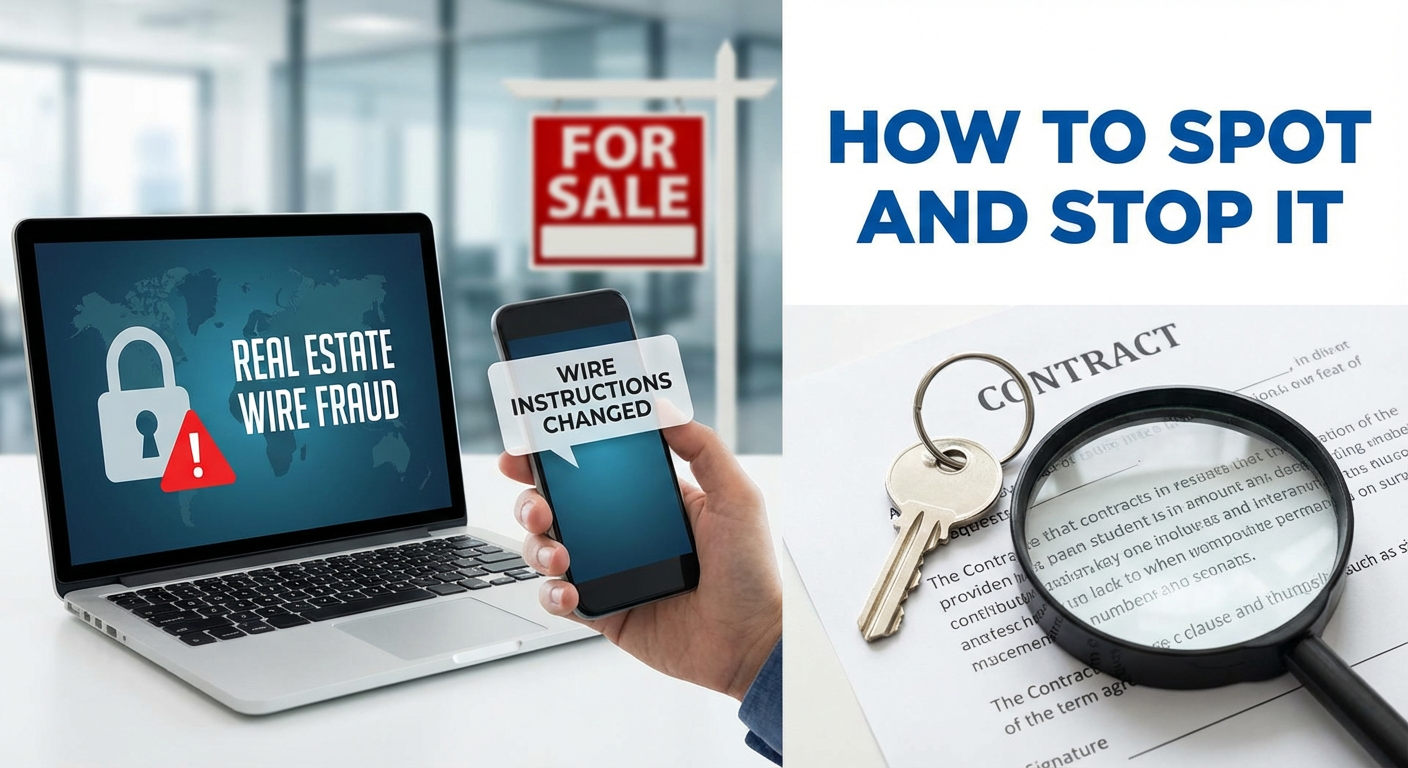
Buying a home is one of the most significant financial transactions most people will ever make — and it has become one of the most targeted opportunities for sophisticated cybercriminals. Real estate wire fraud, a form of business email compromise (BEC), has exploded into a multi-billion-dollar crisis, with the FBI reporting losses exceeding $446 million in real estate-related wire fraud in a single year. Victims range from first-time homebuyers to seasoned investors, and the losses are often total and unrecoverable. Understanding how these schemes operate is no longer optional — it is essential for anyone involved in a real estate transaction.
What Is Real Estate Wire Fraud and How It Works
Real estate wire fraud is a targeted cyberattack that exploits the high-dollar, time-sensitive nature of property closings. The scheme typically begins months before a closing date, when criminals infiltrate the email accounts of key players in a transaction — real estate agents, title companies, mortgage brokers, or real estate attorneys. Using techniques such as phishing emails, credential stuffing, or malware, fraudsters gain access to ongoing email threads and quietly monitor communications. They study the transaction details: the buyer's name, the property address, the closing date, and the expected wire transfer amount. When the closing date approaches, the fraudster strikes with precision. They send a convincing, spoofed email — often appearing to come from the title company or closing attorney — containing revised wire instructions. The email typically carries a manufactured sense of urgency, warning that failure to act immediately will delay or cancel the closing. The buyer, emotionally invested and under time pressure, wires the funds to a fraudulent account controlled by criminals. Within hours, the money is moved through a chain of domestic and overseas accounts, making recovery nearly impossible. The legitimate title company never receives the funds, and the buyer discovers the fraud only when the real closing agent follows up — often days later.
Warning Signs to Watch For
Recognizing the red flags of real estate wire fraud can mean the difference between a successful closing and financial devastation. First, be deeply suspicious of any last-minute changes to wire instructions. Legitimate title companies and closing attorneys rarely, if ever, change banking details days or hours before a closing. Second, examine email addresses with extreme scrutiny. Fraudsters use lookalike domains that differ from the real company's address by a single character — for example, 'titleco-closing.com' instead of 'titlecoclosing.com.' Third, be wary of emails that create artificial urgency, pressure you to act immediately, or discourage you from calling to verify. Legitimate professionals understand the weight of a wire transfer and will always welcome a confirmation call. Fourth, watch for grammatical errors, unusual formatting, or a tone that feels slightly off compared to prior communications — these can signal that a different person has taken over the email thread. Finally, if any party in your transaction requests that you keep wire instruction changes confidential or discourages you from consulting others, treat this as an immediate disqualifying red flag.
How to Protect Yourself
Protecting yourself from real estate wire fraud requires proactive verification habits and a healthy skepticism toward digital communications. The single most effective defense is verbal confirmation: always call the title company or closing attorney directly — using a phone number you independently sourced from their official website, not a number provided in the email — to confirm wire instructions before initiating any transfer. Never rely solely on email for financial instructions, regardless of how professional and familiar the message appears. Ask your real estate agent, attorney, and title company about their cybersecurity protocols at the outset of your transaction. Inquire whether they use encrypted communication platforms and whether they have policies against sending wire instructions via standard email. Request that your closing agent verbally confirm all wire details with you 24 to 48 hours before closing. At the institutional level, consider using a title company that offers wire fraud protection programs or insurance riders specifically designed to cover BEC losses. Enable two-factor authentication on all email accounts associated with your transaction and instruct your real estate team to do the same. Cyber hygiene across the entire chain of professionals reduces the attack surface available to criminals.
What to Do If You're Targeted
Speed is absolutely critical if you believe you have fallen victim to real estate wire fraud. The moment you suspect fraudulent wire instructions were followed, contact your sending bank immediately and request a SWIFT recall or wire reversal. Financial institutions have limited windows — sometimes as short as 24 to 72 hours — to attempt to recover wired funds before they are moved beyond reach. Simultaneously, file a complaint with the FBI's Internet Crime Complaint Center (IC3) at ic3.gov and contact your local FBI field office directly, as they have dedicated BEC response teams. Report the fraud to the Federal Trade Commission (FTC) at ReportFraud.ftc.gov and notify your state's real estate regulatory authority. Document everything: save all emails, take screenshots of communications, preserve phone records, and write a detailed timeline of events. Notify every professional involved in your transaction — your real estate agent, lender, and title company — so they can secure their systems, alert other clients, and cooperate with investigators. If your funds are not recovered, consult with a cybercrime attorney to explore civil recovery options and review whether any party's negligence contributed to the breach. Real estate wire fraud is a traumatic and financially devastating crime, but swift, coordinated action gives victims the best possible chance of recovery.
- 012025 IC3 Annual Report— FBI / Internet Crime Complaint Center (IC3)
- 02Online Real Estate Fraud Climbed to $275M in 2025, FBI Says— National Association of REALTORS® (NAR)
- 03Wire Fraud— National Association of REALTORS® (NAR)
- 04Beware of Real Estate Wire Transfer Scams— DC Department of Insurance, Securities and Banking (DISB)