Rental Listing Scam Warning Signs to Know
Rental listing scams cost victims thousands. Learn the key warning signs of fraudulent rental listings and how to protect yourself before signing.
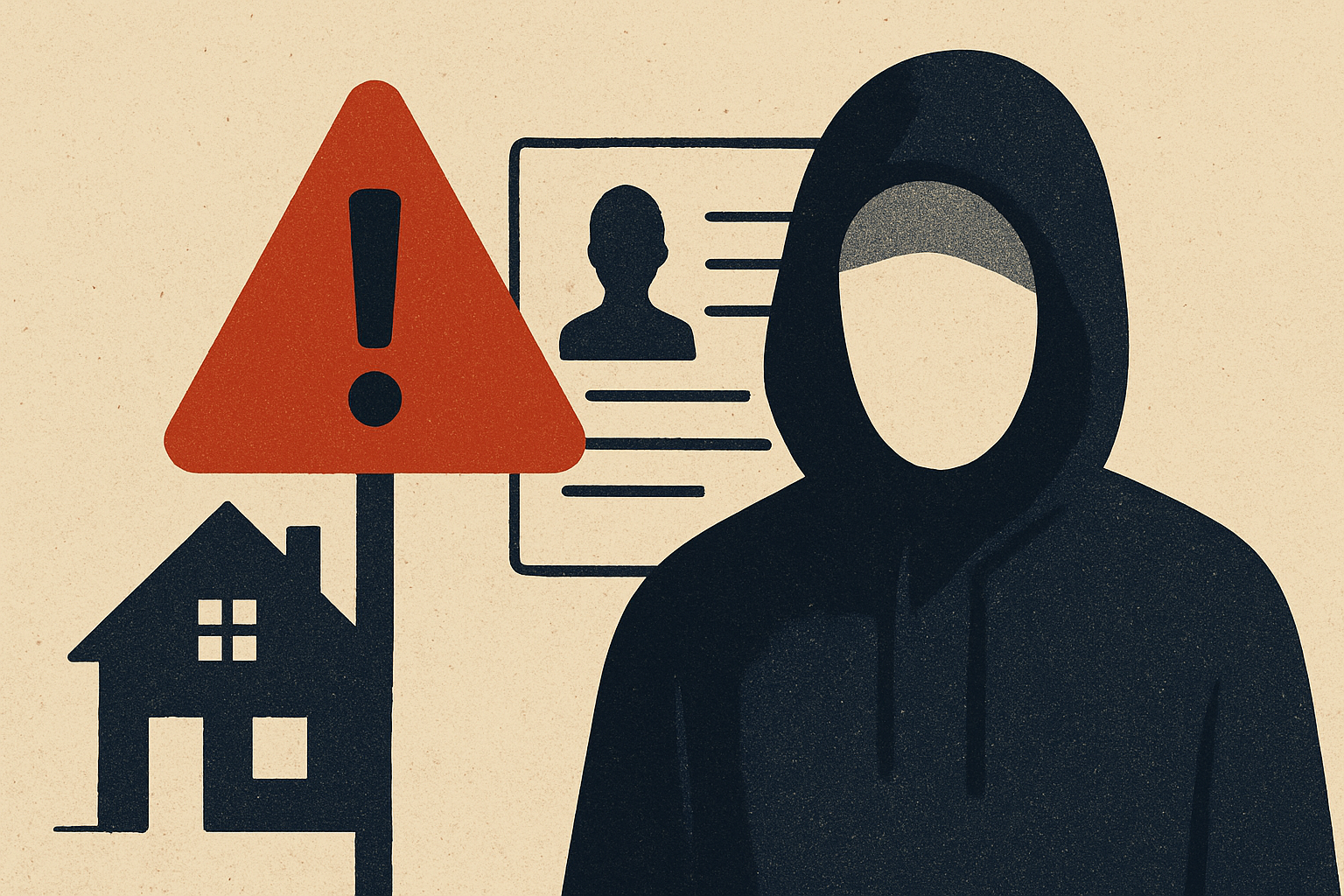
Every year, thousands of renters lose hundreds or even thousands of dollars to fraudulent rental listings. With the rise of online platforms like Craigslist, Facebook Marketplace, and even legitimate property sites, scammers have found fertile ground to exploit desperate housing seekers. Whether you are a first-time renter, a student relocating for college, or a professional moving to a new city, understanding the warning signs of rental listing scams can mean the difference between finding your dream apartment and becoming a victim of fraud. The Federal Trade Commission reports that rental fraud losses have climbed steadily in recent years, with victims often losing their security deposits, first month's rent, or more before realizing something is wrong.
What Is This Fraud and How It Works
Rental listing fraud is a scheme in which criminals post fake or hijacked property listings to deceive prospective tenants into sending money or handing over sensitive personal information. Scammers typically operate in one of two ways. In the first method, they create entirely fabricated listings, using stolen photographs and descriptions from legitimate real estate websites to make the property appear real and desirable. In the second and increasingly common method, they copy existing legitimate listings and repost them under their own contact information, positioning themselves as the landlord or property manager. Once a victim expresses interest, the scammer builds a sense of urgency, pressures the target into paying a security deposit or first month's rent without ever viewing the property in person, and then disappears with the funds. Some scammers take a longer approach, collecting detailed personal information through fake rental applications, which they then use for identity theft. These operations are frequently run from overseas, making law enforcement recovery of funds extremely difficult.
Warning Signs to Watch For
Recognizing the red flags of a fraudulent rental listing is your first and most powerful line of defense. One of the most telling signs is a price that seems too good to be true. Scammers deliberately underprice listings to generate a flood of interest and create competition among potential renters. If a spacious two-bedroom apartment in a high-demand area is listed at half the going market rate, treat that as an immediate red flag. Another major warning sign is a landlord or property manager who is conveniently unavailable to show the property in person. Common excuses include being overseas for work, on a mission trip, or dealing with a family emergency. They may offer to mail you keys or suggest you view the exterior only. Legitimate landlords want to meet their tenants and will nearly always facilitate an in-person showing. Be extremely cautious if someone requests payment via wire transfer, Zelle, Venmo, Cash App, or cryptocurrency before you have signed a lease or visited the property. These payment methods are difficult or impossible to reverse once sent. Watch for listings with poor grammar, inconsistent details, or photographs that appear professionally staged but do not match the described location. You can perform a reverse image search on listing photos to check whether they appear elsewhere online, a quick and effective technique for exposing stolen imagery. Pressure tactics are another hallmark of rental fraud. Scammers often claim multiple applicants are competing for the same unit, urging you to act immediately before the opportunity disappears. Finally, if a rental application requests your Social Security number, bank account details, or driver's license number before you have ever met the landlord or toured the property, stop the process immediately.
How to Protect Yourself
Protecting yourself from rental listing scams requires combining healthy skepticism with deliberate verification steps. Always insist on viewing the property in person before submitting any payment or personal information. If you are relocating from a distance, ask for a live video tour conducted in real time, not a pre-recorded video. Research the landlord independently by searching their name, phone number, and email address online. Cross-reference the property address with public records, county assessor websites, or Google Street View to verify the listing details are accurate. Never pay a deposit or rent via wire transfer or untraceable payment apps. Use check, credit card, or another method that provides a paper trail and some degree of fraud protection. Before signing any lease, confirm that the person you are dealing with has the legal authority to rent the property by verifying their identity and ownership status through official records. It is also wise to search the listing address on multiple platforms to determine whether it appears under different contact names or prices, a common indicator of a duplicated scam listing.
What to Do If You're Targeted
If you believe you have encountered a fraudulent rental listing or have already sent money to a scammer, act quickly. Stop all communication with the individual immediately and preserve all records, including emails, text messages, payment receipts, and screenshots of the listing. Report the scam to the Federal Trade Commission at ReportFraud.ftc.gov, to the Internet Crime Complaint Center at IC3.gov, and to the platform where you found the listing. If you have sent money, contact your bank or payment provider immediately to inquire about a possible reversal or fraud claim. If you shared personal identifying information such as your Social Security number or financial account details, consider placing a fraud alert or credit freeze with the three major credit bureaus. Report the incident to your local law enforcement as well, even if recovery seems unlikely, because your report contributes to broader investigative patterns that help authorities identify and shut down fraud networks. Rental scams are a serious and growing form of consumer fraud, but awareness remains the most effective protective tool available to renters everywhere.
- 01Rental Listing Scams | Consumer Advice— FTC
- 02Rental scams hit home with $65 million in reported losses | Federal Trade Commission— FTC
- 03FBI Boston Urges Public to Beware of Rental Scams | Federal Bureau of Investigation— FBI
- 04Shopping for a rental property? Beware of fake listings! | Attorney General Brian Schwalb— DC Office of the Attorney General