Romance Scam Red Flags: Don't Fall for the Con
Romance scams cost Americans $672M+ in 2024. Learn the critical red flags, warning signs, and how to protect yourself from online romance fraud.
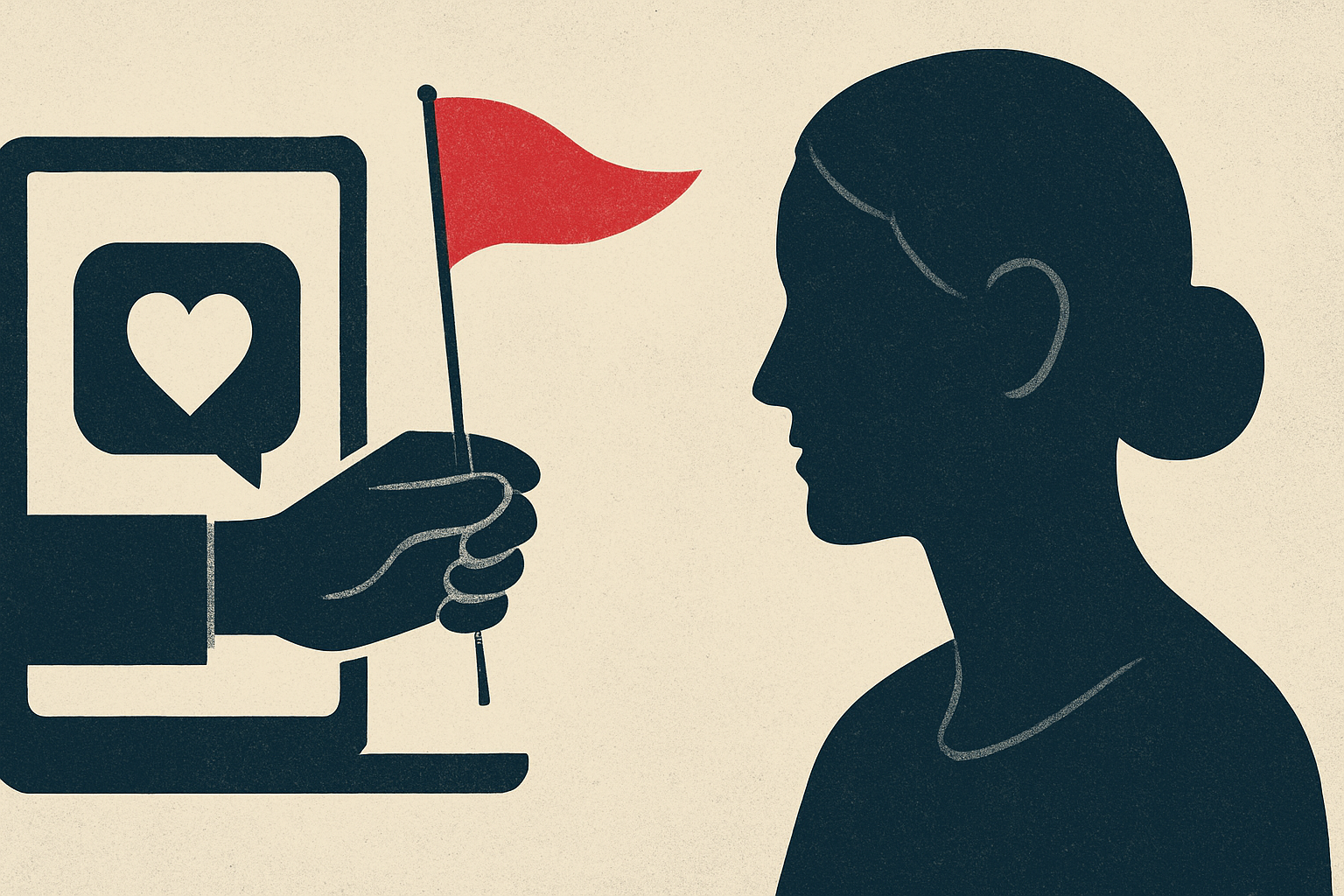
Romance scams are not a niche crime — they are a billion-dollar industry built on broken trust. In 2024, the FBI's Internet Crime Complaint Center (IC3) received 17,910 reports of romance scams, resulting in a staggering $672 million in confirmed losses nationwide. The FTC tracked an even broader picture, recording $1.14 billion in romance scam losses across 64,003 reports. Experts on both sides agree: these numbers are almost certainly undercounts. Shame, embarrassment, and the deeply personal nature of the deception keep countless victims silent. If you are forming a relationship with someone you met online, reading this article could save your financial life.
What Is a Romance Scam and How It Works
A romance scam is a type of confidence fraud in which a criminal assumes a fake online identity to gain a victim's affection and trust, then uses that manufactured emotional bond to steal money, personal information, or both. Scammers operate on dating apps, social media platforms, chat rooms, and even through random-seeming 'wrong number' text messages. The playbook is surprisingly consistent: the scammer establishes contact, rapidly escalates emotional intimacy through daily messages and declarations of love, and then — once the victim is emotionally invested — begins extracting financial resources. They may ask for money directly, citing emergencies like a medical crisis, a legal fee abroad, or plane tickets to visit you. More sophisticated variants, known as 'pig butchering' scams, layer a fraudulent cryptocurrency investment on top of the romance, convincing victims to funnel money into fake trading platforms the scammer controls. The FBI warns that these schemes are also increasingly romantic in nature but may also take the form of friendly or even familial relationships — meaning you don't have to be looking for a romantic partner to be targeted. Anyone who is online and has money may be a target.
Warning Signs to Watch For
Recognizing a romance scam in progress requires knowing what to look for. No single red flag is conclusive, but several together paint a clear picture of fraud. The most reliable warning signs, validated by both the FBI and FTC, include:
**They can never meet in person or on video.** Scammers consistently avoid face-to-face contact, claiming to be overseas for military deployment, international business, oil rig work, or medical missions. When video calls do happen, they may appear glitchy or heavily filtered — a sign of deepfake masking technology the FBI has specifically flagged as a growing tool of romance fraudsters.
**They move the relationship at warp speed.** The scammer showers targets with attention and affection almost immediately — sometimes proposing marriage or declaring love within days or weeks. They may send poetry, virtual gifts, and constant messages to manufacture an intense emotional bond before you have a chance to think critically.
**They push you off the platform.** A major red flag is pressure to move the conversation away from a dating app or social media site to a private messaging app like WhatsApp, Signal, or Telegram. Sometimes they send a fake 'verification link' to capture your personal information in the process.
**They ask for money through untraceable channels.** Once trust is established, the ask for money arrives — always through methods that are nearly impossible to reverse: cryptocurrency, wire transfers, or gift cards. The FBI notes that scammers make their financial requests plausible by weaving them into believable emergencies, such as covering foreign legal fees, urgent medical costs, or a plane ticket to finally come visit you.
**Their story doesn't hold up.** Inconsistencies in their personal details, career, location, or family background are classic tells. Poor grammar from someone who claims to be a native English speaker is another indicator flagged by federal law enforcement.
**They promote secrecy.** Romance scammers actively discourage victims from discussing the relationship with friends or family. If someone online is steering you toward isolation, that is not affection — it is a control tactic designed to eliminate outside scrutiny of the fraud.
The AI Escalation: Why Scams Are Harder to Spot Than Ever
The threat landscape has evolved dramatically. The FBI has issued explicit warnings that criminals are increasingly using artificial intelligence to generate realistic photos, videos, and voice messages, as well as to write emotionally persuasive communications that mimic genuine relationships. AI-generated profile photos now depict convincing faces that do not exist anywhere else online, making a simple reverse image search insufficient protection. Romance scams rose 20% in the first quarter of 2025 compared to the same period in 2024, a trend attributed in large part to the industrialization of deception through AI tools. A single scammer can now simultaneously target hundreds of potential victims with personalized, convincing personas. This is no longer a crime of lone con artists — federal investigations have exposed transnational organized criminal networks running romance fraud at industrial scale.
Who Is Most at Risk
The FBI is clear: romance scams can happen to anyone, regardless of age, education, or background. However, data reveals that certain groups face elevated risk. Victims over 60 are disproportionately targeted, with the FBI's 2024 Internet Crime Report documenting 7,626 victims over 60 years old and approximately $389 million in losses — nearly 58% of all romance scam losses despite being a fraction of the victim pool. The FBI notes that while romance scammers have historically targeted women over 40 who are divorced, widowed, elderly, or disabled, criminals do not discriminate. Elder fraud across all scam categories reached $4.9 billion in 2024, a 43% increase year-over-year, with romance scams consistently ranking among the top categories affecting older Americans. The emotional and financial devastation of these crimes can be catastrophic: the FTC reports that reported losses to romance scams totaled $1.14 billion, with median losses per person of $2,000 — the highest reported losses for any form of imposter scam.
How to Protect Yourself
Protecting yourself from romance scams requires deliberate skepticism and a few concrete habits. First, go slow. The FBI specifically advises against rushing into emotional or financial commitments with anyone you've only met online, no matter how genuine they seem. Second, conduct a reverse image search on any profile photos using Google Images or TinEye — scammers routinely steal real people's photos. Third, never send money, gift cards, cryptocurrency, or wire transfers to someone you have not met in person, no matter the stated emergency. Fourth, tell a trusted friend or family member about any online relationship you're developing; an outside perspective can catch red flags you might miss when emotionally invested. Fifth, be cautious about what personal and financial information you share online — scammers mine public profiles for details they use to build rapport and craft convincing cover stories. Finally, only use dating websites with established national reputations, and treat even those platforms with measured caution.
What to Do If You're Targeted
If you suspect you are the target of a romance scam, stop all contact with the individual immediately. Do not send any more money, and do not let them convince you that cutting contact is a mistake — that persuasion is part of the scam. If you have already sent money, contact your bank or financial institution right away; acting quickly is your best chance of recovering funds. Report the incident to the FBI's Internet Crime Complaint Center at ic3.gov and to the FTC at ReportFraud.ftc.gov. You should also report the fake profile directly to the dating app or social media platform where contact was made. The FBI recognizes that victims may feel embarrassed or ashamed — these are highly engineered psychological attacks, and falling for one is not a character flaw. Crucially, you can and should report even if you have not lost money: your report helps law enforcement map criminal networks and protect future victims. Romance scams thrive on silence. Breaking that silence is the most powerful thing a victim can do.
- 01FBI Chicago Releases Public Service Announcement Raising Awareness on Romance Scams and Confidence Fraud— FBI
- 02Romance Scams | Consumer Advice— FTC
- 03FBI Kansas City Warns of Romance Scams Ahead of Valentine's Day— FBI
- 04Take A Beat: FBI San Diego Cautions About Romance Scams This Valentine's Day— FBI