Romance Scam Red Flags You Must Know
Learn the critical romance scam red flags and warning signs that could save you from devastating financial and emotional loss. Stay protected today.
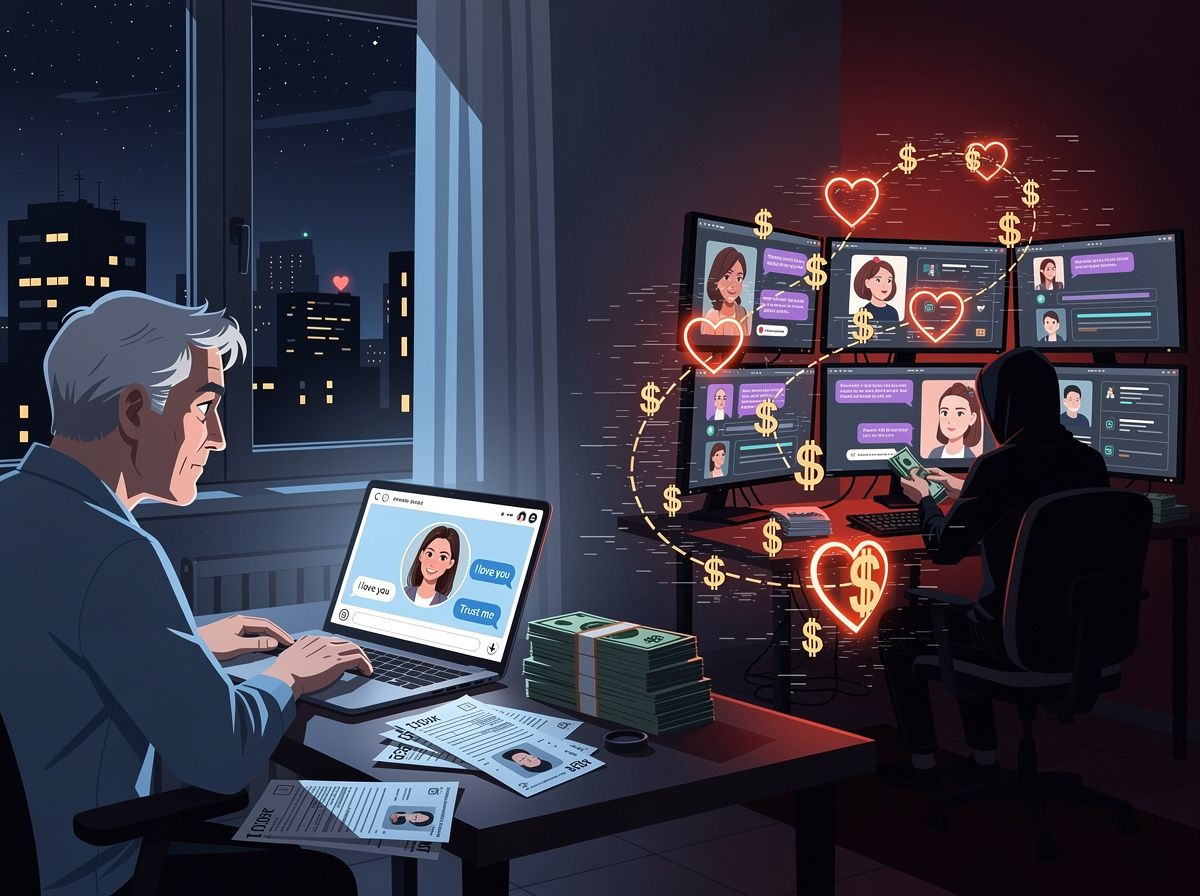
Romance scams have quietly become one of the most financially devastating forms of fraud in the digital age. According to the Federal Trade Commission, Americans lost a staggering $1.3 billion to romance scams in 2022 alone — more than any other FTC fraud category. Unlike many financial crimes, romance scams don't just empty bank accounts; they exploit trust, loneliness, and genuine human emotion. Victims often describe the aftermath as a double loss: the money and the relationship they believed was real. Understanding the red flags early is not just financial self-defense — it's emotional self-preservation.
What Is a Romance Scam and How It Works
A romance scam occurs when a fraudster creates a fabricated online persona specifically designed to establish a romantic relationship with a victim, ultimately for financial gain. These operations are frequently run by organized criminal networks — many based in West Africa, Eastern Europe, and Southeast Asia — using teams of operatives who manage dozens of fake profiles simultaneously. The scammer typically makes first contact through dating apps, social media platforms like Facebook or Instagram, or even unsolicited text messages. Over days, weeks, or sometimes months, they invest heavily in building an emotional connection, showering their target with affection, flattery, and declarations of deep love. This phase is known as 'love bombing.' Once sufficient trust is established, a crisis conveniently emerges — a medical emergency, a business deal gone wrong, a legal problem, or a travel mishap — and money is requested. After one payment is made, the requests typically escalate until the victim runs dry or discovers the deception. In more sophisticated variants, scammers also lure victims into fraudulent cryptocurrency investment platforms, a hybrid crime known as 'pig butchering.'
Warning Signs to Watch For
Recognizing a romance scam often comes down to identifying a cluster of consistent red flags. First, be deeply suspicious of anyone whose profile seems almost too perfect — model-level photos, an impressive career such as military officer, engineer, or doctor working abroad, and a compelling backstory that pulls at your heartstrings. Scammers deliberately craft aspirational personas. Second, pay close attention to the pace of the relationship. If someone you have never met in person is professing undying love within days or weeks, that urgency is a manipulation tactic, not genuine romance. Third, they will almost always find reasons to avoid video calls, citing a broken camera, poor internet connection, or work restrictions — any excuse to prevent you from seeing them live and unscripted. Fourth, they will claim to live nearby or in the same country but are conveniently always working overseas, on an oil rig, deployed with the military, or on an international assignment. Fifth, the conversation will eventually and inevitably shift toward money. It may start small — a gift, a plane ticket to finally meet you — but it will grow. Any request for money, gift cards, wire transfers, or cryptocurrency from someone you have only met online is a serious and immediate red flag. Sixth, watch for inconsistencies in their stories, unusual grammar patterns that suggest a non-native speaker, or a reluctance to answer specific personal questions. Finally, if you attempt to verify their identity through a reverse image search and their photos appear on multiple profiles under different names, you are almost certainly dealing with a scammer.
How to Protect Yourself
The most powerful defense against romance scams is informed skepticism combined with practical verification habits. Always conduct a reverse image search on any profile photos using tools like Google Images or TinEye — stolen photos are the cornerstone of nearly every romance scam. Before deepening any online relationship, insist on a live, unscripted video call early in the communication. A legitimate person will have no objection; a scammer will always have an excuse. Discuss your online connections with trusted friends or family members, as outside perspectives can detect manipulation that feels invisible when you are emotionally involved. Never send money — in any form — to someone you have not met in person and known for a substantial period of time. This includes wire transfers, Zelle, Venmo, gift cards, and cryptocurrency, all of which are difficult or impossible to recover once sent. Be especially cautious of anyone steering you toward investment opportunities, particularly those involving cryptocurrency platforms you have never heard of. If a platform promises extraordinary returns and was introduced to you through a romantic interest, assume it is fraudulent.
What to Do If You're Targeted
If you suspect you are being targeted by a romance scammer, stop all financial transfers immediately and do not be swayed by emotional pleas, threats, or escalating stories of desperation. Cease communication with the individual and document everything — screenshots of conversations, profile photos, email addresses, and any financial transaction records. Report the incident to the FTC at ReportFraud.ftc.gov, the FBI's Internet Crime Complaint Center at IC3.gov, and the platform where the contact was made. If money has already been sent, contact your bank or financial institution immediately, as early intervention occasionally allows for transaction reversal. For cryptocurrency losses, report to the platform used and file a complaint with the Commodity Futures Trading Commission. Equally important, seek emotional support — romance scam victims frequently experience shame, grief, and trauma that mirror the loss of a real relationship. Organizations like the AARP Fraud Watch Network offer both reporting resources and peer support groups specifically for romance scam survivors. Remember: falling for a romance scam is not a reflection of intelligence or weakness. These are sophisticated, professional fraud operations specifically engineered to deceive. Awareness, verification, and open communication remain your strongest safeguards.
- 01What To Know About Romance Scams | Consumer Advice— FTC
- 02Romance Scams | Federal Bureau of Investigation— FBI
- 03Romance Scams – the Long Con | Federal Communications Commission— FCC
- 04FBI San Francisco Warns Romance Scams Increasing Across the Bay Area This Valentine's Day | Federal Bureau of Investigation— FBI