SIM Swap Attack Prevention: Stop Hackers Cold
SIM swap attacks are draining bank accounts and hijacking identities. Learn how SIM swap attack prevention works and how to protect yourself today.
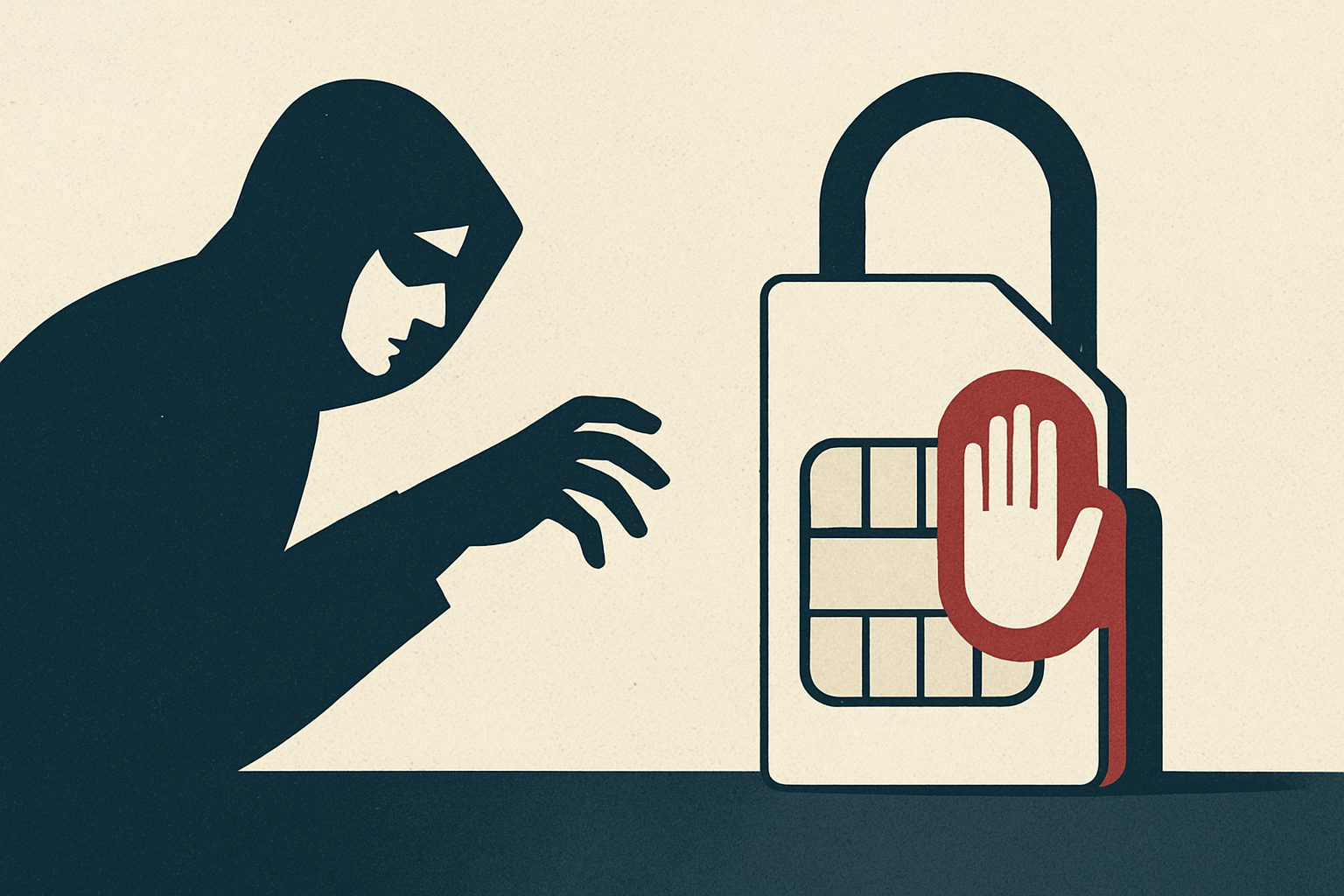
In minutes, a fraudster can hijack your entire digital life — your bank accounts, cryptocurrency wallets, email, and social media — without ever touching your phone. SIM swap attacks have become one of the most devastating and fastest-growing forms of identity theft, costing victims thousands of dollars and months of recovery time. High-profile targets have included celebrities, crypto investors, and corporate executives, but everyday consumers are increasingly in the crosshairs. Understanding how these attacks work and implementing proven SIM swap attack prevention strategies is no longer optional — it is a critical component of your personal cybersecurity posture.
What Is a SIM Swap Attack and How It Works
A SIM swap attack — also called SIM hijacking or SIM splitting — occurs when a fraudster convinces your mobile carrier to transfer your phone number to a SIM card they control. The attack typically begins well before the criminal ever calls your carrier. First, they gather personal information about you through phishing emails, data breach databases, social media reconnaissance, or purchased dark web credentials. Armed with your name, address, date of birth, and the last four digits of your Social Security number, the attacker contacts your carrier's customer service department — either by phone, online chat, or in person at a retail store — and impersonates you. They claim their phone was lost or damaged and request a SIM transfer to a new device. Once the carrier complies, your phone loses all signal and the attacker's device begins receiving your calls and text messages. Because so many online services — including banks and cryptocurrency exchanges — use SMS-based two-factor authentication (2FA) as a security layer, the fraudster can now reset passwords, intercept one-time passcodes, and gain full access to your most sensitive accounts. The entire attack can be completed in under an hour, and victims often don't realize what has happened until significant damage is done.
Warning Signs to Watch For
Recognizing the early warning signs of a SIM swap in progress can mean the difference between stopping an attack and becoming a victim. The most immediate red flag is a sudden and unexplained loss of cellular service on your phone — no calls, no texts, and no data connectivity even in areas where you normally have a strong signal. If your phone displays 'No Service' or 'SOS Only' unexpectedly, treat it as a potential emergency. Shortly after, you may receive alerts from your mobile carrier about account changes you did not initiate, or you might notice password reset emails arriving for accounts you are not trying to access. Unexplained login alerts, unusual activity notifications from your bank or financial apps, or sudden lockouts from accounts where you have SMS-based 2FA enabled are all serious indicators. In some cases, victims receive social engineering calls or texts in the days leading up to the attack — fraudsters posing as carrier representatives asking to 'verify' account information. Any unsolicited request for your account PIN, Social Security number, or carrier security code should be treated as a direct threat and reported immediately.
How to Protect Yourself
Effective SIM swap attack prevention requires layering multiple defenses across your carrier account, your authentication methods, and your financial accounts. Start with your mobile carrier. Contact them directly — not through a link in an email — and request that a unique, strong PIN or passcode be added to your account. Ask specifically about their 'port freeze' or 'SIM lock' features, which prevent any SIM changes without in-person verification at a store with a government-issued photo ID. Major carriers including AT&T, Verizon, and T-Mobile all offer some form of enhanced account protection. Next, eliminate SMS-based two-factor authentication wherever possible. Replace it with an authenticator app such as Google Authenticator, Authy, or Microsoft Authenticator, which generates time-based codes locally on your device and is not vulnerable to SIM swaps. For your most sensitive accounts — particularly cryptocurrency exchanges and investment platforms — consider using a hardware security key such as a YubiKey, which provides the strongest available authentication protection. Audit your online accounts and prioritize securing email first, since email is the master key to resetting almost every other account. Use a strong, unique password managed by a reputable password manager, and enable the strongest available authentication method. Limit the personal information you share publicly on social media, since attackers routinely mine platforms like LinkedIn, Facebook, and Instagram to build profiles used in social engineering attacks. Finally, consider placing a credit freeze and fraud alert with the three major credit bureaus — Equifax, Experian, and TransUnion — as a broader identity theft deterrent.
What to Do If You're Targeted
If you suspect a SIM swap attack is underway, act immediately and move fast. Call your mobile carrier from another phone — a landline, a family member's device, or a VoIP service — and report the suspected fraud. Request that they reverse the SIM transfer and lock your account against further changes. While you are still on the call, ask them to flag your account for heightened verification requirements going forward. Simultaneously, log into your financial accounts from a trusted device on a secure Wi-Fi network and change passwords, revoke active sessions, and review recent transaction history for unauthorized activity. If funds have already been moved, contact your bank's fraud department immediately — the sooner you report, the better your chances of recovery under federal regulations like Regulation E for bank accounts. File a report with the Federal Trade Commission at IdentityTheft.gov and with your local law enforcement to create an official record, which may be required by financial institutions during the recovery process. Report the incident to the FBI's Internet Crime Complaint Center (IC3) at ic3.gov, particularly if cryptocurrency was stolen. Document everything — screenshots, timestamps, call logs, and written correspondence — as this evidence will be invaluable during investigations and disputes. SIM swap fraud is not a technical glitch; it is a crime, and you deserve every investigative resource available to you.
- 01Criminals Increasing SIM Swap Schemes to Steal Millions of Dollars from US Public— FBI / IC3
- 02SIM Swap Scams: How to Protect Yourself— FTC
- 03Scattered Spider | CISA— CISA
- 04Protecting Consumers from SIM-Swap and Port-Out Fraud— FCC / Federal Register