Disaster Charity Scams: How Fraudsters Exploit Tragedy
Disaster charity fraud cost Americans $96 million in 2024. Learn how scammers exploit tragedies, the warning signs, and how to protect your donations.
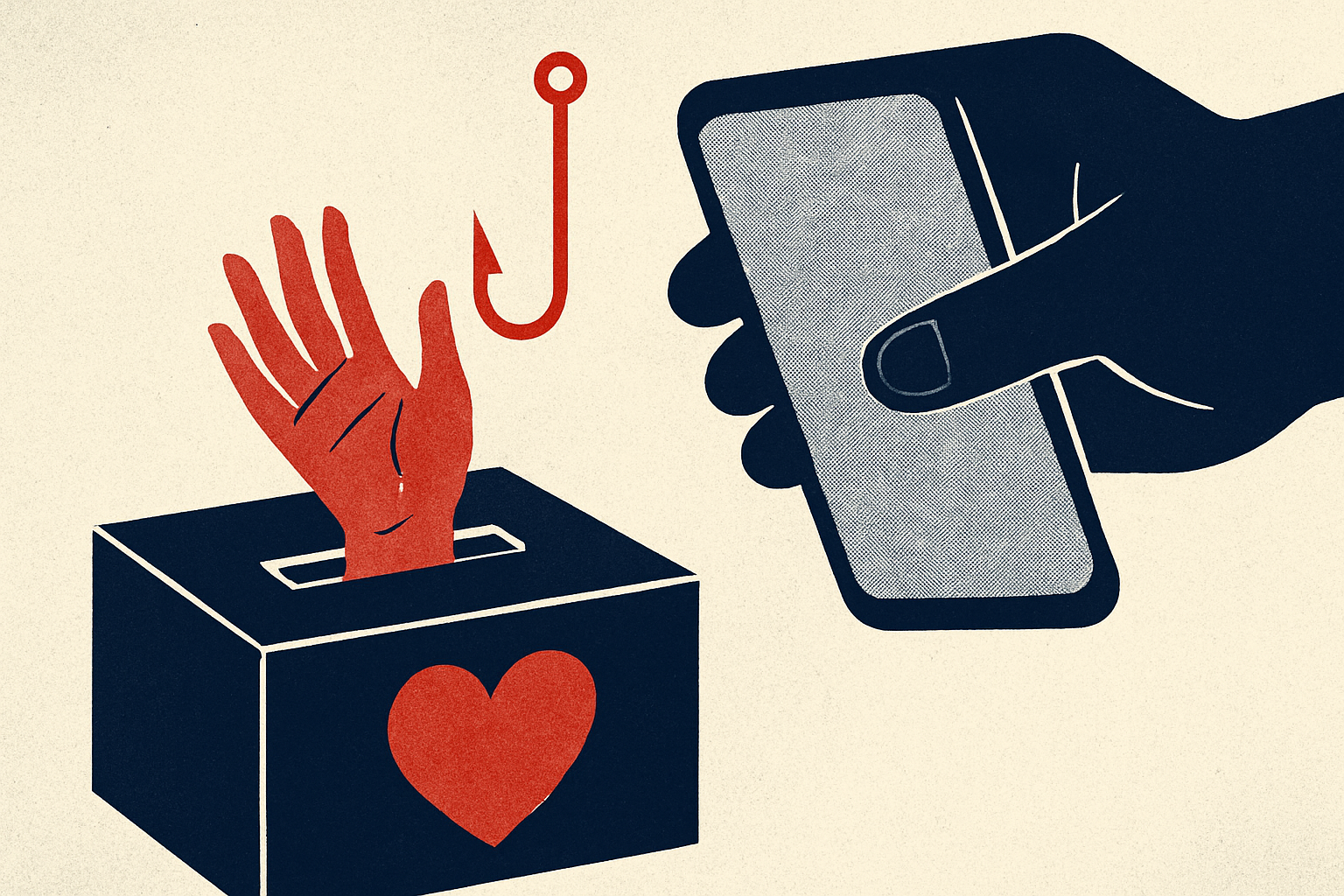
When a hurricane makes landfall, wildfires tear through communities, or a mass casualty event dominates the news cycle, two things happen simultaneously: good people open their wallets to help, and criminals go to work. Disaster charity fraud is one of the most cynical forms of financial crime — it exploits both the victims of tragedy and the compassion of those trying to help them. According to the FBI's Internet Crime Complaint Center (IC3), in 2024 alone, more than 4,500 complaints were filed reporting approximately $96 million in losses to fraudulent charities, crowdfunding accounts, and disaster relief campaigns. That staggering figure reflects only reported cases — the true cost is almost certainly higher. If you've ever felt the urge to donate in the hours after a disaster, this article is essential reading.
What Is Disaster Charity Fraud and How It Works
Disaster charity fraud occurs when criminals pose as legitimate relief organizations — or invent entirely new ones — to divert donations meant for victims into their own pockets. The FBI describes these schemes as a consistent pattern: scammers take advantage of catastrophic incidents such as mass casualty events, terrorist attacks, wars, natural disasters, or pandemics to pose as charitable entities providing humanitarian aid, soliciting both monetary and even cryptocurrency donations. The mechanics are straightforward but effective. Fraudsters monitor breaking news and register domain names within hours of a major event, often incorporating words like 'relief,' 'help,' or 'fund' alongside the disaster's name. Some create copycat organizations with names nearly identical to trusted brands like the Red Cross or FEMA-affiliated programs. Others take a more personal approach, posing online as high-profile victims or survivors to solicit direct payments. Increasingly, the FBI warns that artificial intelligence is being used to increase the perceived legitimacy of these impersonations — deepfake images, AI-generated testimonials, and convincing fake social media profiles are now part of the fraudster's toolkit. These schemes arrive via email, social media posts, crowdfunding platforms, cold calls, robotexts, and even in-person collection drives, making them extraordinarily difficult to avoid without vigilance.
Warning Signs to Watch For
Recognizing a fraudulent charity solicitation in the emotional aftermath of a disaster requires knowing exactly what to look for. The most critical red flag is an unusual payment demand: if a charity or organization asks you to donate through cash, gift cards, cryptocurrency, or wire transfer, it is almost certainly a scam. Legitimate charities accept traceable payments like checks or credit cards. Beyond payment method, watch for these warning signs: (1) Urgency and pressure tactics — fraudulent solicitors insist you 'act fast' before you can research the organization; legitimate charities welcome delayed, considered giving. (2) Copycat names — scammers deliberately choose names similar to well-known organizations to create confusion and false familiarity. (3) Brand-new organizations — be especially wary of groups that seem to have appeared overnight claiming to aid victims of the specific, current disaster. (4) Vague mission descriptions — scammers often cannot clearly explain what their organization actually does with donated funds. (5) Suspicious email domains — official organizations almost never send solicitations from free email services like Gmail or Yahoo. (6) Unverifiable crowdfunding campaigns — crowdfunding websites frequently host individual requests for help that are not vetted by the platform itself. Always research who is behind a campaign and reverse-image-search photos and stories, as scammers frequently steal authentic content from real victims.
How to Protect Yourself Before You Give
The single most powerful protection against disaster charity fraud is research before you donate. Give only to established charities or groups whose work you already know and trust. Before donating to any new organization, verify it through independent charity watchdogs: the BBB's Wise Giving Alliance (Give.org), Charity Navigator, CharityWatch, or GuideStar all provide free evaluative reports. You can also check whether a charity is properly registered with your state's charity regulatory office through the National Association of State Charity Officials. When giving online, navigate directly to a charity's official website by typing the address into your browser rather than clicking links from emails or social media posts — this protects against lookalike phishing sites. If you receive a phone call soliciting disaster relief donations, verify the callback number independently via the charity's official website before providing any payment or personal information. For text-to-donate campaigns, confirm the number directly with the charity before sending any funds. Finally, pay by credit card whenever possible — it provides a layer of fraud protection and a paper trail that cash, gift cards, and wire transfers do not.
What to Do If You've Been Targeted or Victimized
If you believe you've encountered a fraudulent charity or have already sent money to one, act quickly. First, contact your bank or credit card provider immediately to report the transaction and attempt a reversal. If you shared personal identifying information, consider placing a fraud alert or credit freeze on your credit reports to prevent downstream identity theft. To report the fraud, you have several official channels: file a complaint with the FBI's Internet Crime Complaint Center at ic3.gov, report to the FTC at ReportFraud.ftc.gov, and notify your state's Attorney General. If the scam involves impersonation of a government disaster agency like FEMA, you can also call the FEMA Disaster Fraud Hotline toll-free at 1-866-720-5721 or email StopFEMAFraud@fema.dhs.gov. When filing your report, be as detailed as possible — include the charity's name, phone number, email address, social media handles, and all financial transaction details such as payment amounts, dates, account numbers, and any cryptocurrency wallet addresses involved. Every report helps law enforcement identify patterns, shut down active fraud rings, and protect future victims. In the fog of disaster, criminals count on your urgency and emotional state to override your skepticism. The best antidote is a simple pause: take 10 minutes to verify before you give.